Varenicline and bupropion are prescription medicines that can help people stop smoking. You may know them by the names Chantix or Champix and Zyban. They contain no nicotine, but they are not the only treatment options: nicotine replacement therapy is another established approach.
If varenicline is unsuitable, unavailable, or difficult to tolerate, the next step is to compare alternatives with a prescriber or pharmacist. Switching brands is different from switching active ingredients. The right choice depends on your medical history, other medicines, preferences, and local availability.
What varenicline does
Varenicline acts at nicotine receptors to reduce withdrawal and make smoking less rewarding. It is commonly started before the quit date, with the plan adjusted to the person. Follow the prescribed schedule rather than copying someone else's dose or extending a course yourself.
Nausea and sleep-related effects, including vivid dreams, can occur. The CDC's varenicline guide advises taking it after food with water and discussing side effects with the prescriber. Kidney problems can affect the dose, so mention them before starting.
A difficult first experience does not tell you which alternative will suit you. Write down what happened, when it happened, and the dose you were taking. That gives the clinician something specific to work with.
What bupropion does
Bupropion sustained release is a non-nicotine medicine used for smoking cessation. It is also an antidepressant, but the formulation and prescribed purpose matter. Do not substitute a different bupropion product or add it to an existing prescription without review.
Dry mouth and trouble sleeping are common concerns. Important safety exclusions include seizure disorders, current or previous anorexia or bulimia, and some situations involving abrupt withdrawal from alcohol or sedatives. Other medicines can also affect suitability. The CDC bupropion guide outlines the precautions and need for a prescribed schedule.
Tell the prescriber about mood symptoms and worries about weight gain after quitting, but do not choose bupropion from either issue alone. The decision needs the rest of your health history.
Chantix vs Zyban: how effectiveness compares
A 2023 Cochrane review found that varenicline helps more people stop smoking than bupropion or a single form of nicotine replacement therapy. The comparison with two forms of nicotine replacement together was less certain and did not show a clear difference in that review.
This is evidence about groups in studies, not a personal success prediction. A medicine that is effective on average can still be unsuitable for a particular person. Tolerability, contraindications, access, and the ability to follow the plan all matter.
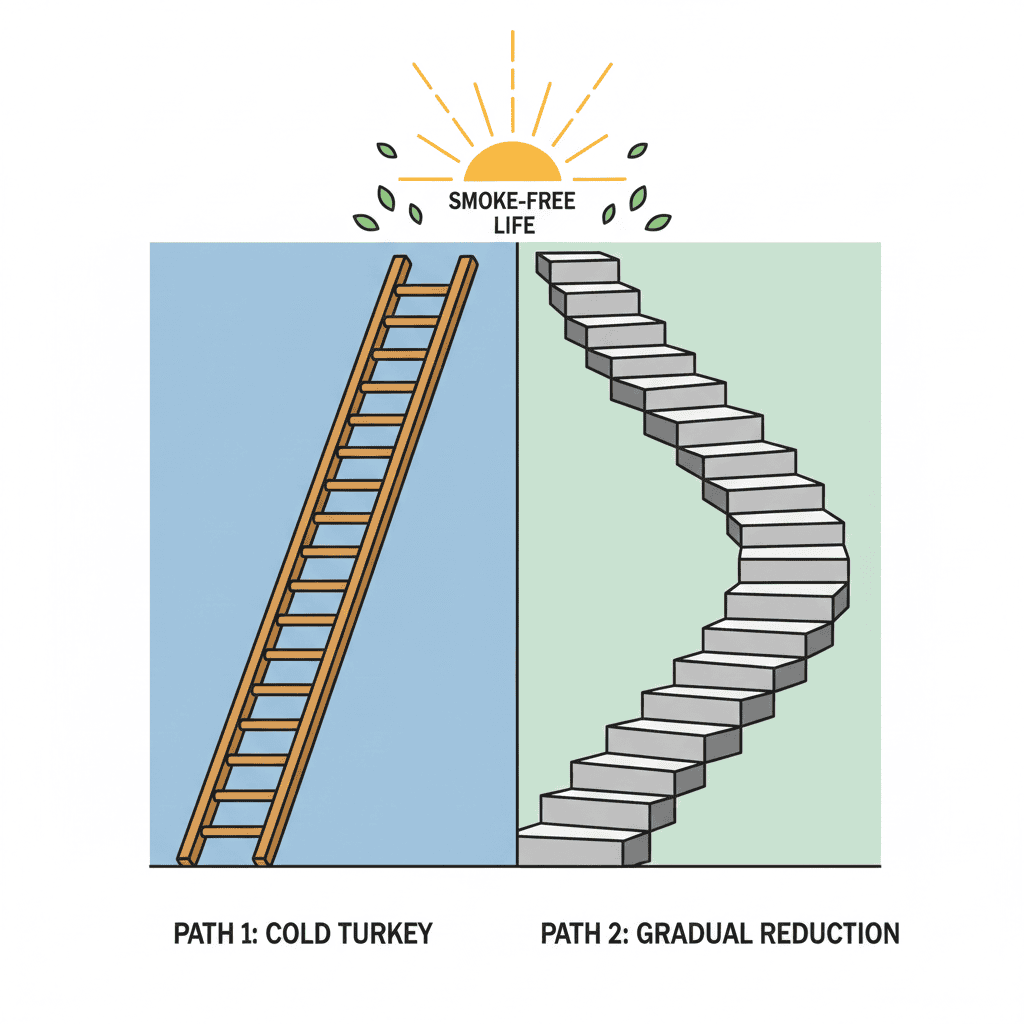
Avoid treating the options as a rigid ladder where you must "fail" every lower step before discussing another one. A clinician can help select a reasonable first plan and a review point if it is not working well.
Alternatives to varenicline
Combination nicotine replacement therapy
A nicotine patch supplies a steadier background level, while gum or lozenges can address cravings as they arise. The CDC explains how combination NRT is used. Combining a long-acting and short-acting form can be more effective than using one form alone.
The products still need to be used correctly. Ask about strength, timing, gum technique, and what to do if cravings persist or side effects occur. Our patch, gum, and lozenge guide covers the basic distinctions.
Bupropion or another locally approved option
Bupropion may be an alternative after a review of its risks and interactions. It is not appropriate for everyone who cannot use varenicline, and a previous prescription for depression does not automatically establish a smoking-cessation plan.
Cytisinicline, also called cytisine, is another non-nicotine option in some countries. The NHS describes it alongside other stop-smoking medicines. Availability, eligibility, and prescribing rules vary by country. See our cytisine guide for context, and confirm local options with a qualified professional.
If the problem is the brand name
Chantix and Champix are names associated with varenicline; Zyban is associated with bupropion. A generic product with the same active ingredient is not a different treatment category. Ask the pharmacist what is actually available locally rather than assuming an old brand recall or a missing brand means the ingredient cannot be prescribed.
Safety questions to settle before starting
Bring a complete medicine list, including supplements, and mention pregnancy or breastfeeding, kidney disease, seizures, eating disorders, mood symptoms, and alcohol or sedative use. This is information for selecting a plan, not a checklist you have to interpret alone.
Ask the prescriber:
- Which product and formulation am I using?
- When should I start, and what is the quit-date plan?
- What should I do if I miss a dose or smoke a cigarette?
- Which side effects mean I should stop and seek advice?
- When will we review whether the plan is suitable?
New or worsening mood or behaviour changes need prompt contact with the prescriber. Severe allergic symptoms or an immediate danger to your safety require urgent help. Do not interpret removal of an old boxed warning as a guarantee that adverse effects cannot occur.
Do not combine prescription medicines or add nicotine products to a prescription plan without discussing it first. Combination NRT has an established role, but that does not make every possible combination equally appropriate.
Pair the medicine with a practical quit plan
CDC guidance on treating tobacco dependence recommends behavioural support as well as medication. Support can include a clinician, a cessation service, counselling, or an appropriate structured programme. A tracking app can complement that support without replacing it.
Start with the situations that reliably trigger smoking. Decide what you will do during the morning coffee, the work break, or the journey home. Keep the plan concrete: where you will go, what you will have available, and who you can contact if the attempt is becoming difficult. Our quit-smoking guide helps organise those decisions.
Smoke Tracker can record smoke-free time and savings while you follow the treatment plan. A log may also help you remember what to discuss at a review, but it cannot tell you which medicine is safe for you or whether a side effect is serious.
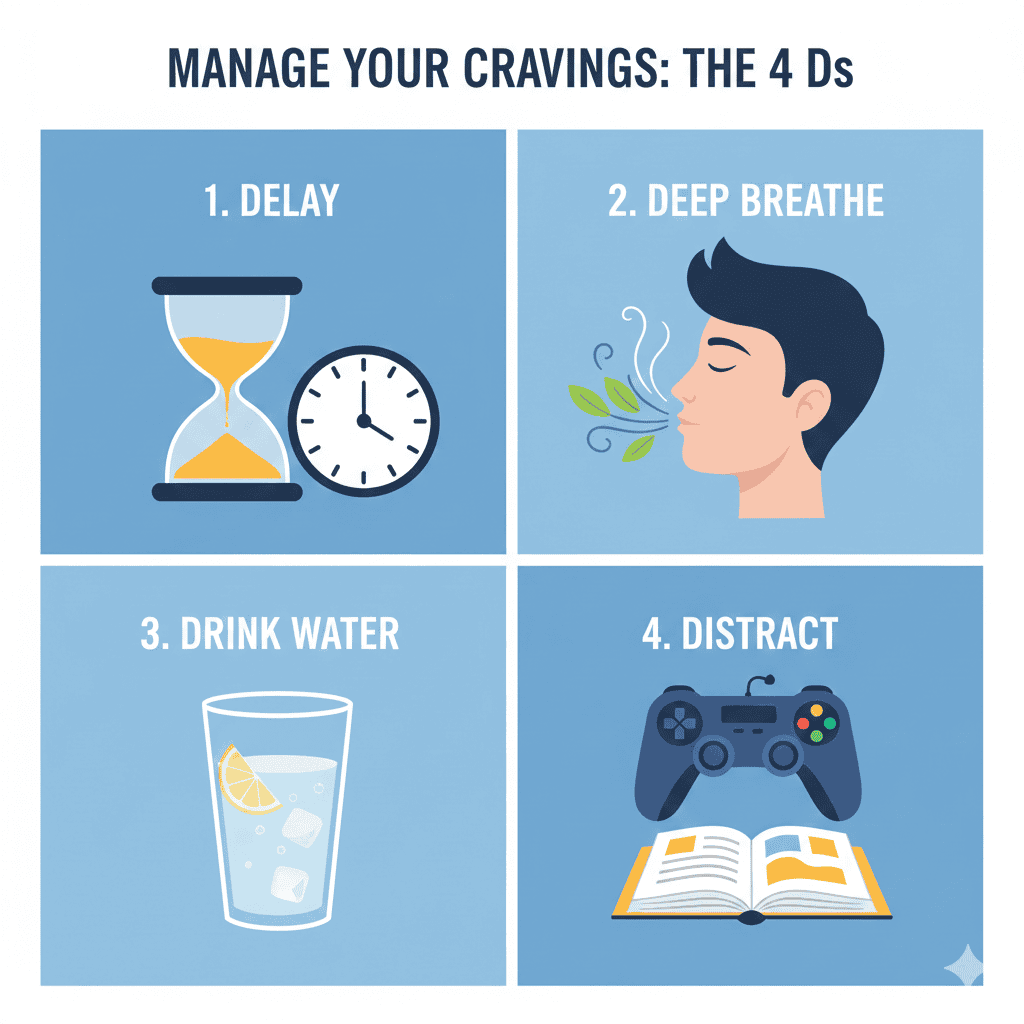
For a brief pause during an urge, slow comfortable breathing may be useful. Flow Breath can guide the pace if you prefer an app. It is an optional coping aid, not a guaranteed craving reset or a substitute for medication and support. Our craving-management guide offers other practical options.
Varenicline is generally more effective than bupropion as a single medicine, while combination NRT is an important alternative. Choose with a professional who can review your history, agree on a usable plan, and adjust it when needed.
This article is educational and does not replace medical advice. Follow the prescribed treatment and consult a qualified professional before starting, stopping, switching, or combining smoking-cessation medicines.
Sources
Common questions
- Is Chantix or Zyban more effective?
- Varenicline generally produces higher quit rates than bupropion as a single medicine. Personal suitability also depends on medical history, other medicines, side effects, and access.
- What is an alternative to varenicline?
- Options include combination nicotine replacement therapy, such as a patch plus gum or lozenges, and bupropion when suitable. Cytisinicline is available in some countries. A professional should review which option fits your situation.
- Is generic varenicline the same as Chantix?
- Varenicline is the active ingredient associated with Chantix and Champix. A generic varenicline product is not a different active treatment. Confirm local availability and the prescribed product with a pharmacist.
- Can I combine these medicines with nicotine replacement?
- A patch plus a short-acting nicotine product is an established combination. Adding nicotine products to prescription medicines, or combining prescriptions, requires discussion with the prescriber.
- Who should avoid bupropion?
- Bupropion is not suitable for people with certain seizure risks, including seizure disorders, current or previous anorexia or bulimia, and some abrupt alcohol or sedative withdrawal situations. Other medicines and conditions also matter, so a prescriber must review the full history.
This article is for informational purposes only and does not constitute medical advice. Health information is based on published research from organizations such as the CDC, WHO, and American Lung Association. Always consult a healthcare professional for personalized guidance on smoking cessation.