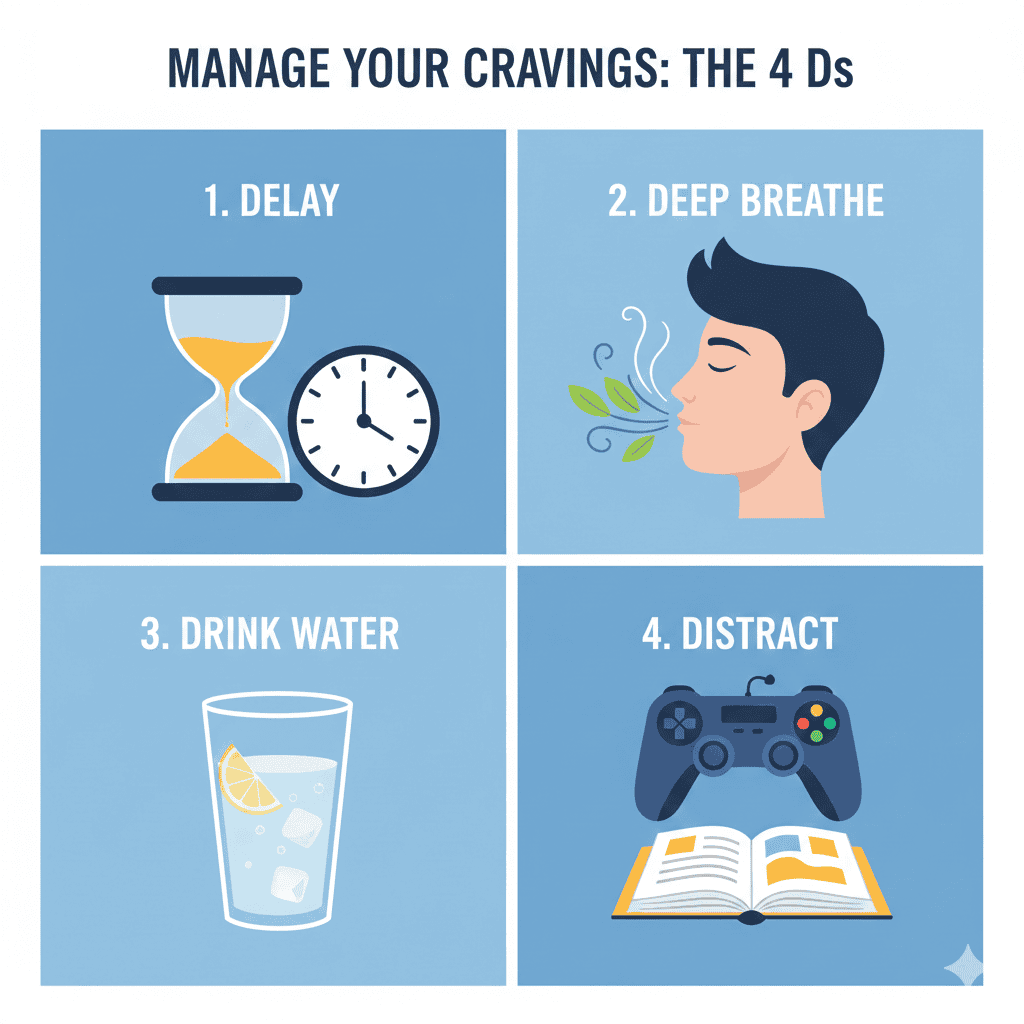
One of the most common fears about quitting smoking is the potential for weight gain. It is a valid concern, and research confirms that many people do gain some weight after stopping. But the science is equally clear: the health rewards of quitting far surpass the risks of a few extra pounds. Below, we walk through the data, the biology, and the practical strategies that can help you quit confidently.
How Much Weight Do People Actually Gain After Quitting?
Studies consistently show that post-cessation weight gain is real but moderate. A landmark meta-analysis found that quitters gain an average of 4 to 5 kg (roughly 9 to 11 lb) over twelve months, with most of the increase occurring in the first three months. Earlier research reported a mean gain of 2.8 kg in men and 3.8 kg in women. Importantly, these are averages: about 16% of quitters in that study actually lost weight, and only around 10% gained more than 13 kg. Individual variation depends on factors like baseline weight, physical activity level, and dietary habits during the quit attempt. The numbers can feel alarming in isolation, yet they represent a temporary metabolic adjustment, not an irreversible outcome.
Why Does Nicotine Affect Appetite and Metabolism?
Nicotine acts on the central nervous system in ways that directly influence body weight. It stimulates the release of catecholamines, including adrenaline, which raises resting metabolic rate by an estimated 7 to 15%, according to research. Nicotine also suppresses appetite by acting on hypothalamic pro-opiomelanocortin (POMC) neurons, the same pathway targeted by some modern weight-management drugs. Additionally, nicotine triggers dopamine release in the brain's reward center, providing a sense of satisfaction that reduces the desire to eat. When you remove nicotine, this artificial appetite brake lifts and your metabolic rate settles back to its natural baseline. The combination of restored hunger signals and a slightly lower calorie burn creates a short-term energy surplus. Understanding this biology is empowering: the weight change is not a failure of willpower, it is a predictable physiological response.
What Metabolic Changes Happen When You Stop Smoking?
Within days of your last cigarette, several metabolic shifts begin. Your resting heart rate drops, which lowers daily energy expenditure by roughly 100 to 200 calories, as noted by researchers. Insulin sensitivity starts to improve, which is beneficial long-term but can temporarily increase fat storage efficiency. The gut microbiome also remodels itself after smoking cessation, a process documented by clinical research, leading to changes in nutrient absorption that may contribute to initial weight fluctuations. Levels of the hunger hormone ghrelin may rise during early withdrawal, further amplifying appetite. Meanwhile, recovering taste buds and olfactory receptors make food more appealing, encouraging larger portions. These changes peak in the first one to three months, then gradually stabilize. By the six-month mark, most former smokers report that their appetite and eating patterns have normalized considerably.
Which Dietary Strategies Help Prevent Post-Quit Weight Gain?
Simple, sustainable dietary adjustments can offset the calorie gap without adding the stress of a strict diet. Nutritional guidance recommends increasing fiber intake through vegetables, fruits, and whole grains, which promote satiety without excess calories. Protein-rich snacks such as Greek yogurt, hard-boiled eggs, and a small handful of almonds help stabilize blood sugar and reduce cravings. Keeping pre-cut vegetables like carrots and celery within easy reach addresses the hand-to-mouth habit that many ex-smokers miss. Herbal teas and infused water with lemon or cucumber offer flavorful alternatives to mindless snacking. Drinking water before meals, a technique supported by clinical research, can reduce calorie intake per meal by roughly 75 calories. Eating meals at regular intervals also prevents the extreme hunger that leads to overeating. Avoiding highly processed snack foods during the first few weeks removes the temptation to seek a dopamine hit from sugar or salt.
Can Exercise Really Make a Difference During Cessation?
Exercise is one of the most effective tools for managing both weight and withdrawal symptoms simultaneously. A Cochrane review found that structured physical activity programs reduced post-cessation weight gain and improved quit rates. Even moderate activity, such as brisk walking for 30 minutes a day, can burn 150 to 200 extra calories and trigger endorphin release that eases anxiety and irritability. Resistance training is especially valuable because it builds lean muscle mass, which raises resting metabolic rate over time. Yoga and stretching routines can also help manage the stress that often accompanies early withdrawal. Health guidelines recommend at least 150 minutes of moderate-intensity aerobic activity per week, combined with two sessions of strength training. Starting small is perfectly fine: a ten-minute walk after dinner is a realistic entry point that can grow into a consistent habit.
Is Post-Quit Weight Gain Temporary or Permanent?
For many people, the weight gain is self-limiting rather than a permanent change. Long-term research has found that former smokers' body weight tends to plateau within six to twelve months, and some individuals gradually return toward their pre-quit weight over the following years. The key factor is whether the initial gain triggers lasting changes in eating behavior or whether it is managed with moderate lifestyle adjustments. Research showed that quitters who adopted even modest physical activity routines experienced significantly less long-term weight retention than sedentary quitters. The body's metabolism also recalibrates: once the acute withdrawal phase passes, hunger hormones like ghrelin and leptin find a new equilibrium that no longer drives the same level of overeating. Patience during this transition period is essential.
Do the Health Benefits of Quitting Still Outweigh the Weight Gain Risks?
The answer from every major health authority is an unequivocal yes. A large-scale study tracking over 160,000 participants found that quitters who gained weight still reduced their cardiovascular disease risk by roughly 50% compared with those who continued smoking. Smoking kills more than 8 million people annually, while the modest weight gain associated with cessation poses negligible mortality risk by comparison. Even among quitters who develop type 2 diabetes, partly accelerated by weight gain, all-cause mortality remains substantially lower than among continuing smokers. Cancer risk also drops steadily in the years following cessation, regardless of any weight changes. The evidence reinforces this message: no amount of weight management can compensate for the damage that continued smoking inflicts on the lungs, heart, and immune system.
How Can Smoke Tracker Help You Stay on Course?
Tracking your progress is key to staying motivated through the adjustment period, especially when the scale moves in an unwelcome direction. Smoke Tracker gives you concrete evidence that your body is healing, which helps reframe temporary weight gain as part of a larger, positive transformation.
- Health Timeline: Watch your body heal and recover day by day, reinforcing the medical reasons why you quit in the first place.
- Cravings Log: Identify when you feel the urge to snack and what triggers it, so you can plan healthier responses and break the pattern.
- Money Saved: Redirect the money you save on cigarettes toward healthy groceries, a gym membership, or new workout gear that supports your goals.
Quitting smoking is a journey to a healthier you. A temporary fluctuation on the scale is a small price to pay for reclaiming your breath, your heart health, and your future.
Sources
- Centers for Disease Control and Prevention. "Benefits of Quitting Smoking Over Time." cdc.gov
- American Heart Association. "Why Quit Smoking?" heart.org
- World Health Organization. "Tobacco: Key Facts." who.int
- American Lung Association. "Benefits of Quitting." lung.org
- Mayo Clinic. "Nicotine Dependence." mayoclinic.org
- Cochrane Library. "Smoking Cessation Reviews." cochranelibrary.com
Common questions
- How much weight do most people gain after quitting smoking?
- The average gain is 4 to 5 kg, concentrated in the first 3 months after quitting. About 10 percent of quitters gain more than 10 kg, and roughly 10 percent gain nothing or lose weight. The cardiovascular benefit of quitting outweighs the gain by 5 to 10 times even if no weight is lost.
- Will I gain back all the weight I gained after quitting?
- Most of the early gain is reversible with simple changes. Quitting raises basal metabolism modestly, and most gain comes from oral-fixation snacking and richer food taste. A high-protein breakfast, sugar-free gum, and a daily walk usually keep gain under 2 kg. The body does not lock in a higher set point from quitting.
- Does quitting smoking permanently slow metabolism?
- No. Nicotine raises resting metabolic rate by roughly 5 to 10 percent while you smoke. When you quit, that boost disappears, but the change is the size of one snack per day, not a permanent slowdown. Basal metabolism returns to your true baseline within weeks and stays there.
- How can I avoid weight gain when I quit smoking?
- Eat protein at breakfast to blunt mid-morning sugar crashes. Keep sugar-free gum and crunchy vegetables on hand for oral fixation. Walk 20 to 30 minutes daily, which also reduces cravings. Watch alcohol calories. Most quitters who do these four things keep gain under 2 kg total.
This article is for informational purposes only and does not constitute medical advice. Health information is based on published research from organizations such as the CDC, WHO, and American Lung Association. Always consult a healthcare professional for personalized guidance on smoking cessation.