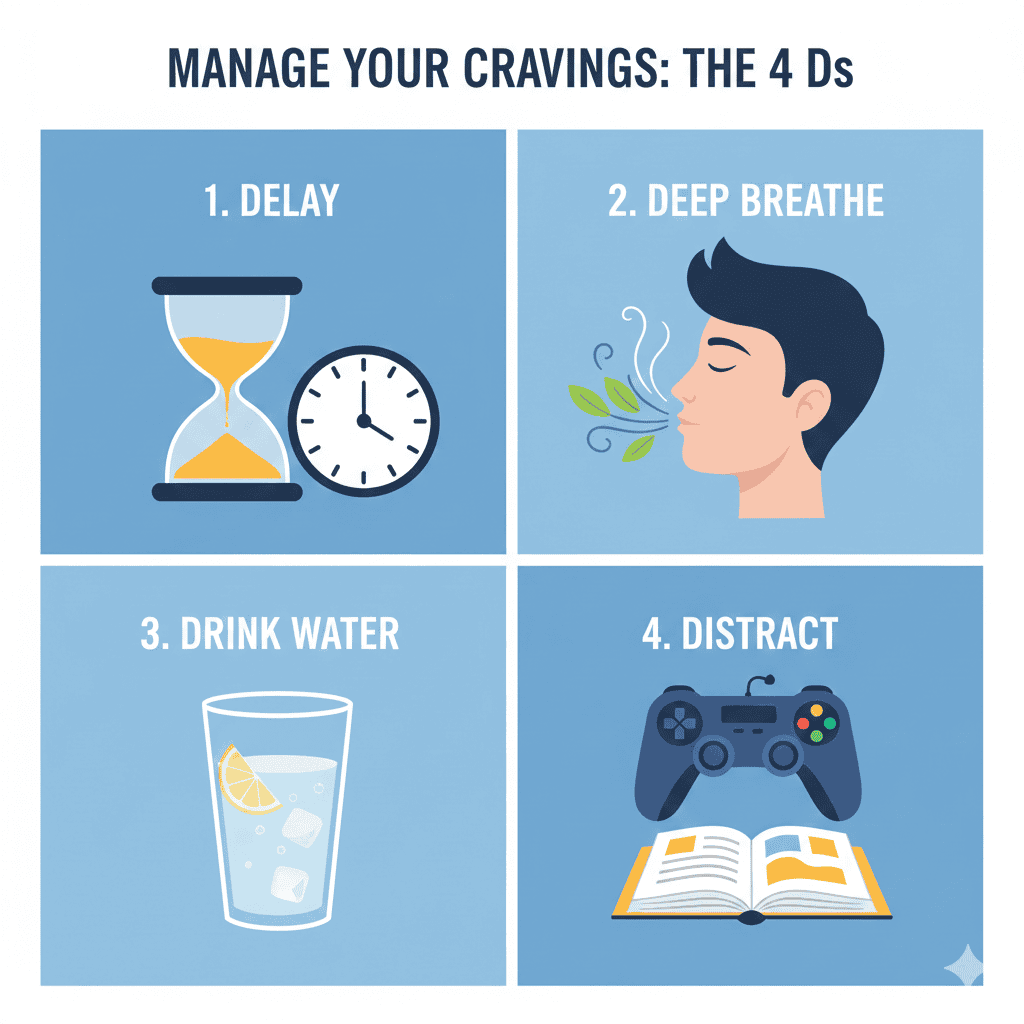
Smettere di fumare è una delle migliori decisioni che puoi prendere per la tua salute. Sebbene monitorare i tuoi giorni e i tuoi traguardi senza fumo sia fondamentale per la motivazione, devi anche sostenere fisicamente il tuo corpo mentre guarisce da anni di esposizione alle tossine.
Il fumo impoverisce pesantemente il corpo di nutrienti essenziali. Reintegrarli può non solo accelerare il recupero, ma anche ridurre in modo significativo l'intensità dei sintomi di astinenza e delle voglie. Di seguito trovi una guida approfondita e basata sulle prove agli integratori che possono essere d'aiuto durante il tuo percorso per smettere di fumare.
Perché il fumo impoverisce i tuoi livelli di nutrienti?
Il fumo di sigaretta contiene oltre 7.000 sostanze chimiche, molte delle quali generano enormi quantità di radicali liberi all'interno del corpo. Per neutralizzare queste molecole reattive, il corpo consuma le proprie riserve di antiossidanti e vitamine essenziali a un ritmo accelerato. I fumatori mostrano costantemente livelli circolanti più bassi di vitamina C, vitamina E e di diverse vitamine del gruppo B rispetto ai non fumatori. L'infiammazione cronica dovuta all'esposizione al fumo aumenta anche la richiesta del corpo di nutrienti antinfiammatori come gli acidi grassi omega-3. Quando smetti, le tue riserve di nutrienti impoverite possono far sembrare peggiori i sintomi di astinenza, perché al cervello e al sistema nervoso mancano le materie prime necessarie a riequilibrare i livelli dei neurotrasmettitori. Un'integrazione mirata durante questa finestra vulnerabile può rendere più dolce la transizione, ridurre le voglie e fornire ai tessuti danneggiati i mattoni di cui hanno bisogno per guarire.
La vitamina C può accelerare l'eliminazione della nicotina?
La vitamina C è probabilmente il singolo antiossidante più importante per gli ex fumatori. Ai fumatori si raccomanda di assumere almeno 35 mg in più di vitamina C al giorno rispetto ai non fumatori, eppure molti restano ben al di sotto persino del fabbisogno di base. La ricerca suggerisce che l'integrazione di vitamina C a 500 mg due volte al giorno riduceva in modo significativo i marcatori di stress ossidativo negli ex fumatori entro quattro settimane. La vitamina C acidifica anche le urine, il che accelera l'eliminazione renale di nicotina e cotinina dal flusso sanguigno. Oltre alla detossificazione, sostiene la sintesi del collagene, aiutando a riparare i delicati tessuti delle vie aeree e dei vasi sanguigni danneggiati da anni di esposizione al fumo. Agrumi, peperoni e kiwi sono ottime fonti alimentari, anche se un integratore da 500 a 1.000 mg al giorno è un'opzione pratica durante i primi mesi dopo aver smesso.
In che modo le vitamine del gruppo B sostengono l'umore durante l'astinenza?
Molti ex fumatori riferiscono stanchezza, irritabilità e umore basso nelle settimane successive allo smettere, un insieme di sintomi a volte chiamato «influenza di chi smette». Le vitamine del gruppo B svolgono un ruolo centrale nella sintesi dei neurotrasmettitori, e il fumo è noto per abbassare i livelli di B6, B9 (folato) e B12. La vitamina B6 è un cofattore degli enzimi che producono serotonina e dopamina, due neurotrasmettitori la cui segnalazione è alterata quando la nicotina viene rimossa. La ricerca suggerisce che uno stato adeguato di B12 e folato è associato a migliori esiti dell'umore durante i programmi di cessazione del fumo. Un integratore di complesso B che fornisce il 100 percento del valore giornaliero per tutte e otto le vitamine del gruppo B è un modo semplice per coprire eventuali carenze. Poiché le vitamine del gruppo B sono idrosolubili, il rischio di tossicità a dosaggi standard è basso, anche se la B6 ad alto dosaggio (oltre 100 mg al giorno) andrebbe evitata per un piccolo rischio di neuropatia periferica.
Il magnesio riduce davvero voglie e ansia?
L'astinenza da nicotina scatena spesso ansia, tensione muscolare e insonnia. Il magnesio regola l'asse ipotalamo-ipofisi-surrene (HPA), il sistema centrale di risposta allo stress del corpo, e modula i recettori del GABA che favoriscono la calma. La ricerca clinica ha rilevato che l'integrazione di magnesio a 500 mg al giorno migliorava la qualità soggettiva del sonno e riduceva il cortisolo sierico in adulti stressati. Per gli ex fumatori, il cui cortisolo si impenna durante le prime settimane di astinenza, questo effetto calmante è particolarmente rilevante. Il magnesio glicinato e il magnesio treonato sono in genere meglio tollerati del magnesio ossido, che può causare feci molli a dosaggi più alti. Buone fonti alimentari sono le verdure a foglia verde scuro, le mandorle, i semi di zucca e il cioccolato fondente. Poiché molti adulti sono già marginalmente carenti di magnesio, integrarlo durante la finestra dello smettere affronta sia una carenza nutrizionale preesistente sia le maggiori richieste dell'astinenza da nicotina.
Gli acidi grassi omega-3 possono aiutare i polmoni a guarire dopo il fumo?
L'infiammazione cronica è un tratto distintivo del danno polmonare legato al fumo, e gli acidi grassi omega-3 (EPA e DHA) sono tra gli antinfiammatori naturali più studiati. La ricerca suggerisce che un maggiore apporto di omega-3 è associato a una migliore funzione polmonare e a una ridotta infiammazione delle vie aeree. Gli omega-3 agiscono spostando il profilo dei mediatori lipidici del corpo dalle prostaglandine pro-infiammatorie verso i mediatori specializzati pro-risolutivi (SPM), che aiutano attivamente a risolvere l'infiammazione dei tessuti. Oltre ai polmoni, sostengono il recupero cardiovascolare: EPA e DHA abbassano i trigliceridi, migliorano la funzione endoteliale e riducono l'aggregazione delle piastrine. Si raccomandano almeno due porzioni di pesce grasso a settimana; dosi integrative da 1.000 a 2.000 mg di EPA/DHA combinati al giorno sono considerate sicure per la maggior parte degli adulti. Chi assume farmaci anticoagulanti dovrebbe prima consultare il proprio medico.
L'iperico è efficace per la cessazione del fumo?
L'iperico (Hypericum perforatum) è ampiamente usato come antidepressivo a base di erbe e, poiché i disturbi dell'umore sono un importante motore di ricaduta, i ricercatori lo hanno studiato per la cessazione del fumo. Una revisione Cochrane ha esaminato diversi studi e ha concluso che le prove attuali sono insufficienti a confermare che l'iperico aumenti i tassi di cessazione a lungo termine. Alcuni piccoli studi hanno riportato modeste riduzioni a breve termine del consumo di sigarette, ma i risultati erano incoerenti. È importante notare che l'iperico è un potente induttore dell'enzima del citocromo P450 CYP3A4, il che significa che può ridurre l'efficacia di molti farmaci da prescrizione, inclusi i contraccettivi orali, gli anticoagulanti e certi antidepressivi. Se stai usando la terapia sostitutiva della nicotina o ausili da prescrizione per smettere come la vareniclina, parla con il tuo medico prima di aggiungere questa erba. Il livello delle prove è attualmente debole e i rischi di interazione sono reali.
Che ruolo svolge la NAC (N-acetilcisteina) nel recupero polmonare?
La N-acetilcisteina (NAC) è un precursore del glutatione, l'antiossidante intracellulare più abbondante del corpo. I livelli di glutatione sono marcatamente ridotti nei fumatori, lasciando il tessuto polmonare vulnerabile al danno ossidativo. La NAC ha proprietà mucolitiche, cioè aiuta a sciogliere il muco denso nelle vie aeree, ed è già usata clinicamente per condizioni come la bronchite cronica e il sovradosaggio di paracetamolo. Gli studi clinici hanno rilevato che 600 mg di NAC due volte al giorno riducevano la frequenza delle riacutizzazioni nei pazienti con broncopneumopatia cronica ostruttiva. Per gli ex fumatori, la NAC può accelerare l'eliminazione del catrame e del muco residui reintegrando al contempo le riserve di glutatione. L'integratore è in genere ben tollerato, anche se a dosaggi più alti possono comparire effetti collaterali gastrointestinali come la nausea. La NAC rappresenta una delle opzioni basate sulle prove più solide per sostenere in particolare il recupero polmonare, anche se gli studi diretti sulla cessazione restano limitati.
In che modo gli antiossidanti sostengono il recupero polmonare complessivo?
Lo stress ossidativo è uno dei meccanismi principali attraverso cui il fumo distrugge il tessuto polmonare. Quando smetti, l'ondata di radicali liberi rallenta, ma il danno già inflitto richiede una riparazione attiva. Gli antiossidanti, tra cui le vitamine C ed E, il selenio e il glutatione (sostenuto dalla NAC), cedono elettroni per neutralizzare le specie reattive dell'ossigeno rimanenti, proteggendo le cellule appena rigenerate da ulteriori danni. La ricerca suggerisce che un maggiore apporto alimentare di antiossidanti è associato in modo indipendente a una funzione polmonare meglio conservata nell'arco di un follow-up di 10 anni. Il punto chiave è che nessun singolo antiossidante agisce isolatamente; queste molecole operano in rete, rigenerandosi a vicenda. Per esempio, la vitamina C rigenera la vitamina E ossidata, e il glutatione rigenera la vitamina C ossidata. Un approccio equilibrato che includa più fonti di antiossidanti, sia dalla dieta sia dall'integrazione mirata, offre ai tuoi polmoni la più ampia copertura protettiva durante il primo anno critico di recupero.
Quali integratori hanno prove forti rispetto a quelle deboli?
Non tutti gli integratori hanno lo stesso peso scientifico. Prove forti sostengono la vitamina C per ridurre lo stress ossidativo negli ex fumatori, gli acidi grassi omega-3 per i benefici antinfiammatori sui polmoni e la NAC per il supporto mucolitico e antiossidante. Prove moderate sostengono il magnesio per ansia e sonno durante l'astinenza, e le vitamine del complesso B per la stabilizzazione dell'umore. Prove deboli o non concludenti si applicano attualmente all'iperico per la cessazione del fumo, dato che la revisione Cochrane non ha trovato alcun beneficio affidabile a lungo termine. Prodotti a base di erbe come la lobelia e la radice di valeriana compaiono talvolta negli elenchi di integratori «per smettere di fumare», ma gli studi clinici rigorosi sono scarsi. La strategia più sicura è dare priorità ai nutrienti con un chiaro razionale fisiologico e un ragionevole supporto clinico, trattando con cautela le opzioni a base di erbe, soprattutto per quanto riguarda le interazioni farmacologiche. Informa sempre il tuo medico di qualsiasi integratore che stai assumendo, in particolare se usi farmaci da prescrizione per la cessazione come la vareniclina o il bupropione.
Monitora i tuoi integratori per il massimo successo
Proprio come usi uno smoke tracker per monitorare i giorni riusciti senza una sigaretta, la costanza è fondamentale quando assumi vitamine. Non vedrai i benefici degli omega-3 o del magnesio se li prendi solo sporadicamente.
Per assicurarti di restare al passo con il tuo regime di recupero, ti consigliamo vivamente di usare Supplements Tracker. È lo strumento companion perfetto per aiutarti a organizzare l'assunzione quotidiana di vitamine, impostare promemoria e annotare come i diversi integratori influenzano i tuoi sintomi di astinenza.
Abbinare un solido sistema di monitoraggio comportamentale a un adeguato supporto nutrizionale ti offre il vantaggio definitivo per smettere per sempre.
Fonti
- Centers for Disease Control and Prevention. "Benefits of Quitting Smoking Over Time." cdc.gov
- NIH Office of Dietary Supplements. ods.od.nih.gov
- American Lung Association. "Benefits of Quitting." lung.org
- American Heart Association. "Why Quit Smoking?" heart.org
- Cochrane Library. "Smoking Cessation Reviews." cochranelibrary.com
- Mayo Clinic. "Nicotine Dependence." mayoclinic.org
Questo articolo ha solo scopo informativo e non costituisce un parere medico. Le informazioni sulla salute si basano su ricerche pubblicate da organizzazioni come CDC, OMS e American Lung Association. Consulta sempre un professionista sanitario per indicazioni personalizzate su come smettere di fumare.