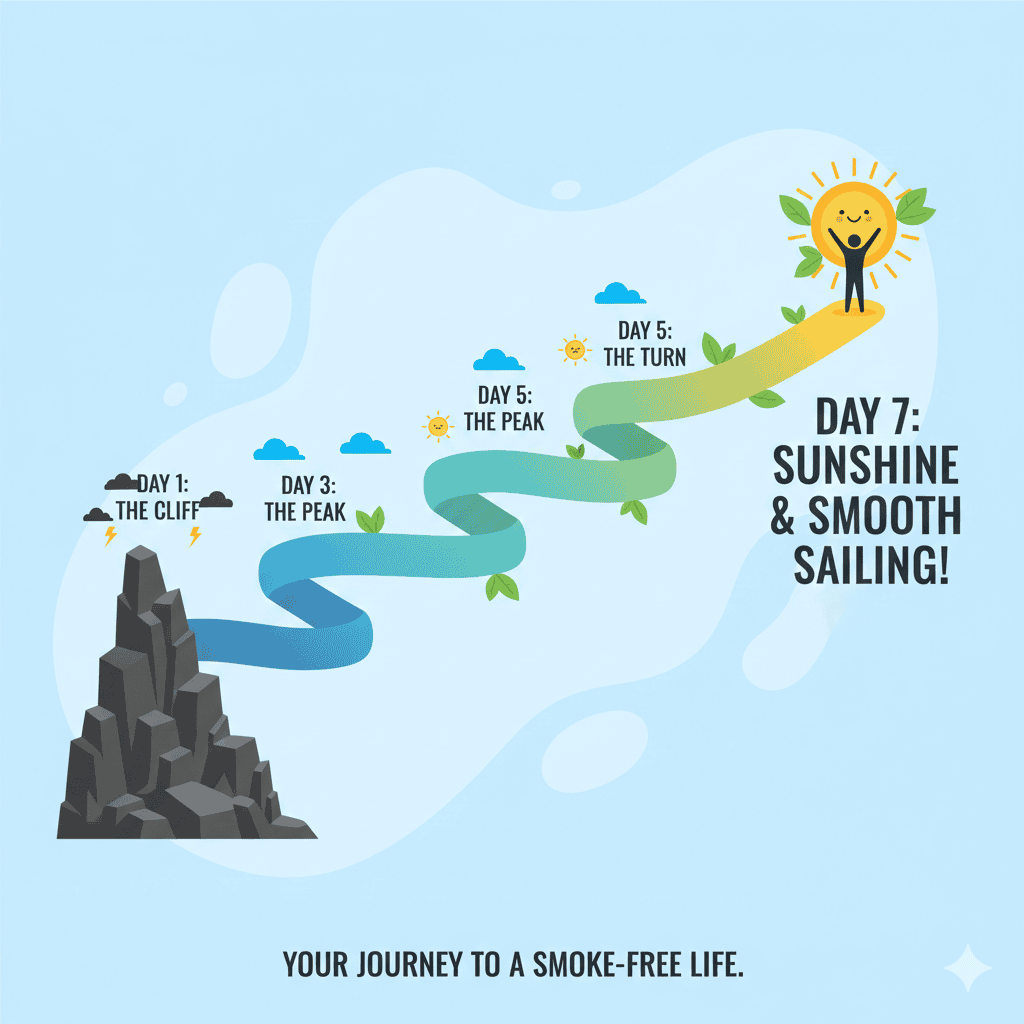
Cravings are the biggest challenge when quitting smoking. The good news? They typically last only 3-5 minutes. Understanding the science behind them, and having a toolkit of proven strategies, can make the difference between relapsing and staying smoke-free. This guide covers everything from the neuroscience of nicotine dependence to behavioral techniques, dietary support, and when to seek professional help.
What Happens in Your Brain When a Craving Strikes?
When you smoke, nicotine reaches the brain within 10-20 seconds and binds to nicotinic acetylcholine receptors (nAChRs), triggering a surge of dopamine in the mesolimbic reward pathway. Chronic nicotine exposure causes the brain to upregulate these receptors, meaning it grows additional binding sites to accommodate regular nicotine intake. When you quit, those extra receptors are left empty, creating a powerful neurochemical imbalance. This deficit in dopamine signaling is what produces the irritability, anxiety, and intense desire to smoke that characterize withdrawal. The good news: these receptors begin to downregulate, returning to normal density, within 6-12 weeks of abstinence. Each craving you resist accelerates this process, helping your brain physically heal and rewire itself toward a nicotine-free baseline state.
Why Do Cravings Only Last a Few Minutes?
This is one of the most empowering facts about quitting. Most cravings peak and subside within 3-5 minutes, regardless of their intensity. The reason lies in how your autonomic nervous system operates. A craving is essentially a stress response: cortisol spikes, heart rate increases, and your attention narrows to focus on the perceived "need." But your body cannot sustain this acute stress state indefinitely. The parasympathetic nervous system activates to restore equilibrium, and the craving naturally fades. Knowing this makes the "3-minute rule" a practical tool: when a craving hits, set a timer for three minutes and commit to riding it out. Distract yourself, breathe deeply, or simply observe the sensation. By the time the alarm sounds, the worst has typically passed. Over weeks, both the frequency and intensity of cravings diminish significantly.
What Is the 4 D's Technique and How Does It Work?
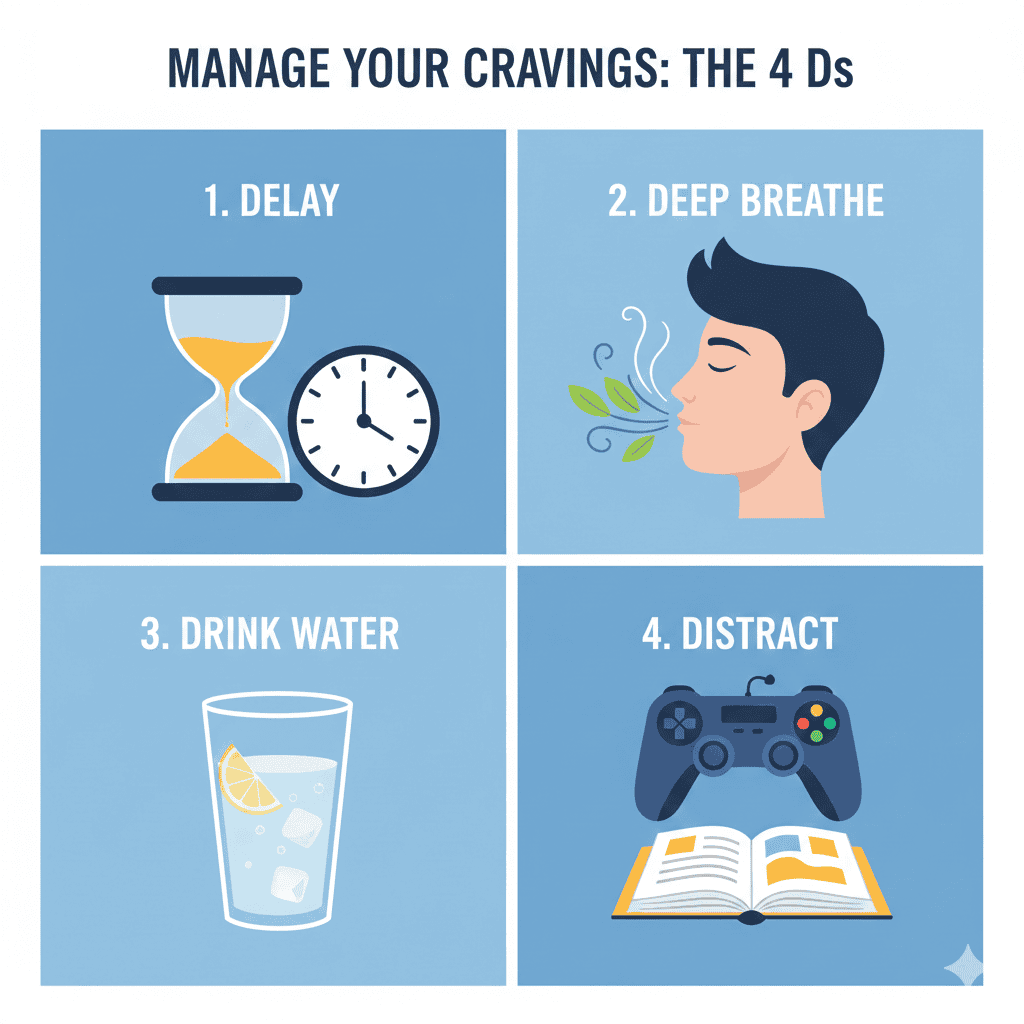
The 4 D's strategy is one of the most widely recommended craving-management frameworks. The four steps are Delay, Deep Breathe, Drink Water, and Distract. First, delay acting on the craving by telling yourself to wait just five minutes, giving the urge time to pass naturally. Second, practice deep breathing using the 4-4-6 technique: inhale for four seconds, hold for four seconds, then exhale for six seconds. This activates the vagus nerve, shifting your nervous system from fight-or-flight into a calmer state. Third, drink water slowly: it flushes residual nicotine metabolites and occupies your hands and mouth. Finally, distract yourself with a brief activity, whether a short walk, a phone call, stretching, or a quick game. The structured nature of this technique gives you a clear action plan during moments of vulnerability.
Can Nicotine Replacement Therapy Improve Your Chances?
Nicotine Replacement Therapy (NRT) provides controlled, lower doses of nicotine without the harmful combustion byproducts of cigarettes. NRT can increase quit rates by 50-70% compared to quitting cold turkey. Available forms include patches (providing steady background nicotine over 16-24 hours), gum (2mg and 4mg doses for on-demand relief), lozenges, nasal sprays, and inhalers. Combination therapy, using a long-acting patch alongside a short-acting product like gum or lozenges for breakthrough cravings, yields the highest success rates. Prescription medications such as varenicline (Chantix) and bupropion (Zyban) work differently, targeting nicotinic receptors or dopamine/norepinephrine pathways respectively. A 2023 Cochrane review found that varenicline was the single most effective pharmacological cessation aid available. Consult your healthcare provider to determine which option best fits your individual situation and health history.
How Does Cognitive Behavioral Therapy Help With Cravings?
Cognitive Behavioral Therapy (CBT) addresses the thought patterns that drive smoking behavior, and research demonstrates it significantly improves quit rates when combined with pharmacotherapy. The core principle is identifying and challenging automatic thoughts like "I need a cigarette to handle this stress." CBT teaches you to reframe such thoughts: "This craving is temporary, and I have the skills to manage it without smoking." Structured techniques include trigger journaling (recording when, where, and why cravings occur), cognitive restructuring (replacing unhelpful beliefs with evidence-based alternatives), and behavioral activation (substituting smoking with positive activities). A therapist trained in smoking cessation can tailor these strategies to your personal triggers. Many quit-smoking programs now incorporate CBT elements, and even self-guided CBT workbooks have shown measurable benefits in clinical trials.
What Role Does Mindfulness Play in Quitting Smoking?
Mindfulness-based interventions have emerged as a powerful tool for managing cravings. A study published in Drug and Alcohol Dependence found that mindfulness training was significantly more effective than standard smoking cessation programs for long-term abstinence. The approach centers on "urge surfing," a technique where you observe a craving without acting on it. Rather than fighting the sensation or distracting yourself from it, you acknowledge the craving with curiosity: notice where in your body you feel tension, observe whether the sensation pulses or shifts, and watch as it naturally rises and falls. This practice decouples the craving from the automatic response of reaching for a cigarette. Regular mindfulness meditation, even 10 minutes daily, strengthens your prefrontal cortex's ability to override impulsive behavior. Apps offering guided meditations specifically designed for addiction recovery can be a helpful starting point for beginners.
Which Physical Strategies Are Most Effective Against Cravings?
Exercise is one of the most underutilized quit-smoking aids. Even a brisk 5-minute walk can reduce cigarette cravings and withdrawal symptoms. Exercise triggers the release of endorphins and endocannabinoids, natural mood-boosting chemicals that partially compensate for the dopamine deficit left by nicotine withdrawal. Moderate aerobic activity, such as walking, cycling, or swimming for 30 minutes most days, also reduces the anxiety and weight gain that many quitters fear. Beyond formal exercise, oral substitutes keep the hand-to-mouth habit occupied: sugar-free gum, crunchy vegetables like carrots and celery, sunflower seeds, or cinnamon sticks all serve this purpose. Another effective physical technique is the cold water splash. Splashing cold water on your face activates the mammalian dive reflex, which slows your heart rate and calms the sympathetic nervous system, essentially resetting an intense craving.
How Can Diet and Nutrition Support Your Quit Attempt?
What you eat and drink can meaningfully influence craving intensity. Research has found that fruits, vegetables, and dairy products make cigarettes taste worse, while alcohol, coffee, and red meat can enhance the taste and trigger cravings. Increasing your Vitamin C intake is particularly beneficial: smoking depletes Vitamin C stores, and replenishing them supports immune recovery and reduces oxidative stress. Aim for citrus fruits, berries, bell peppers, and leafy greens. Staying well-hydrated is equally important, as drinking plenty of water helps flush nicotine and its metabolites from your body. Complex carbohydrates from whole grains, oats, and sweet potatoes help stabilize blood sugar, preventing the energy crashes that can trigger cravings. Avoid skipping meals, since low blood sugar mimics some nicotine withdrawal symptoms like irritability and difficulty concentrating, making cravings feel more intense than they actually are.
What Triggers Should You Watch Out For?
Triggers fall into three categories: environmental, emotional, and social. Environmental triggers include places, times, and routines associated with smoking, such as the morning coffee, the post-meal moment, or the drive to work. Identifying your personal trigger patterns and creating specific "if-then" plans for each one is highly effective. For example: "If I feel a craving after dinner, then I will take a 10-minute walk." Emotional triggers, particularly stress, anger, loneliness, and boredom, require building alternative coping mechanisms. Developing a "coping toolkit" before triggers arise is far more effective than trying to improvise under pressure. Social triggers, like being around other smokers or attending parties where alcohol flows freely, may require temporary avoidance strategies during the first few weeks. Let friends and family know about your quit attempt so they can support rather than inadvertently undermine your efforts.
When Should You Seek Professional Help for Cravings?
While most people can manage cravings with self-help strategies and over-the-counter NRT, certain situations call for professional support. Consider consulting a healthcare provider if cravings remain severe and frequent after four weeks, if you experience persistent depression or anxiety during withdrawal, or if you have relapsed multiple times using self-guided methods. Quitlines, such as the U.S. national quitline at 1-800-QUIT-NOW, provide free coaching and are proven to double quit rates. Combination approaches work best: behavioral counseling plus pharmacotherapy yields the highest long-term abstinence rates of any cessation method. Many health insurance plans now cover cessation counseling and medications with no copay under preventive care mandates. If you are struggling, reaching out is not a sign of weakness but a strategic decision that substantially improves your odds of quitting for good.
How Can Tracking Your Progress Keep You Motivated?
Monitoring your quit journey provides both accountability and motivation. Each craving you overcome is measurable proof that you are stronger than the addiction. Use the Smoke Tracker app to see how long you have been cigarette-free, count the cravings you have conquered, track the money you have saved, and celebrate milestones along the way. Research shows that digital health interventions, including tracking apps, significantly improve smoking cessation outcomes compared to unassisted quit attempts. Seeing your health improvements visualized, from dropping heart rate within 20 minutes to improved lung function within weeks, reinforces the tangible benefits of staying quit. Set small rewards for milestone achievements: treat yourself to something enjoyable at one week, one month, and three months smoke-free. These positive reinforcements build momentum and remind you that every difficult craving you weathered was worth the effort.
Sources
- National Cancer Institute. "Harms of Smoking and Benefits of Quitting." cancer.gov
- National Institute on Drug Abuse. "Tobacco, Nicotine, and E-Cigarettes." drugabuse.gov
- American Cancer Society. "Health Benefits of Quitting Smoking Over Time." cancer.org
- NHS. "Quit Smoking." nhs.uk
- American Lung Association. "Benefits of Quitting." lung.org
- Cochrane Library. "Smoking Cessation Reviews." cochranelibrary.com
Common questions
- How long does a single cigarette craving last?
- An individual craving typically lasts 3 to 5 minutes per episode, even at the peak of withdrawal. Cravings feel longer when several come in quick succession, but no single spike is more than a few minutes. Any 5-minute distraction (cold water, a walk, a phone call) outlasts the craving.
- What is the 4 D's strategy for quitting smoking?
- The 4 D's are Delay, Deep breathe, Drink water, and Do something. Delay for 5 minutes (the craving will fade). Take 10 slow deep breaths to reset the nervous system. Drink cold water to give your hands and mouth something to do. Do an alternative activity that breaks the cue-response loop.
- Does the urge to smoke ever go away completely?
- Yes, mostly. The frequency and intensity of cravings drop sharply over 2 to 4 weeks, and by 3 months most former smokers go days without one. Occasional cue-driven cravings (specific places, smells, stress events) can pop up for years but become rare and brief. They are no longer urges, just memories.
- What is the most effective way to stop a craving in the moment?
- Combine three things: physical movement (a 5-minute walk), oral substitution (cold water, sugar-free gum, or NRT gum if prescribed), and a cognitive shift (write down what triggered it). Movement alone reduces craving intensity for up to 2 hours, making it the single highest-impact in-the-moment tool.
This article is for informational purposes only and does not constitute medical advice. Health information is based on published research from organizations such as the CDC, WHO, and American Lung Association. Always consult a healthcare professional for personalized guidance on smoking cessation.