"Bu ne zaman bitecek?" sorusu, sigarayı yeni bırakan herkesin ikinci gün civarında, genellikle istek tam ortasındayken ve genellikle cevabın "asla" olduğuna ikna olmuşken sorduğu sorudur. Asla değil, ama dürüst cevabın insanların sürekli birbirine karıştırdığı iki parçası var: tek bir isteğin ne kadar sürdüğü ve isteklerin ne kadar süre gelmeye devam ettiği. Bu ikisini karıştırmak, sigarayı bırakmayı imkânsız hissettiren şeydir. Tek bir istek şaşırtıcı derecede kısadır. Uzayan şey isteklerin örüntüsüdür ve bu da öngörülebilir, yokuş aşağı bir biçimde uzar. İşte her iki saatte de gerçek zaman çizelgesi ve aradaki farkı anlamanın neden savaşın büyük bölümü olduğu.
İki Saat: Tek İstek ile İstek Örüntüsü
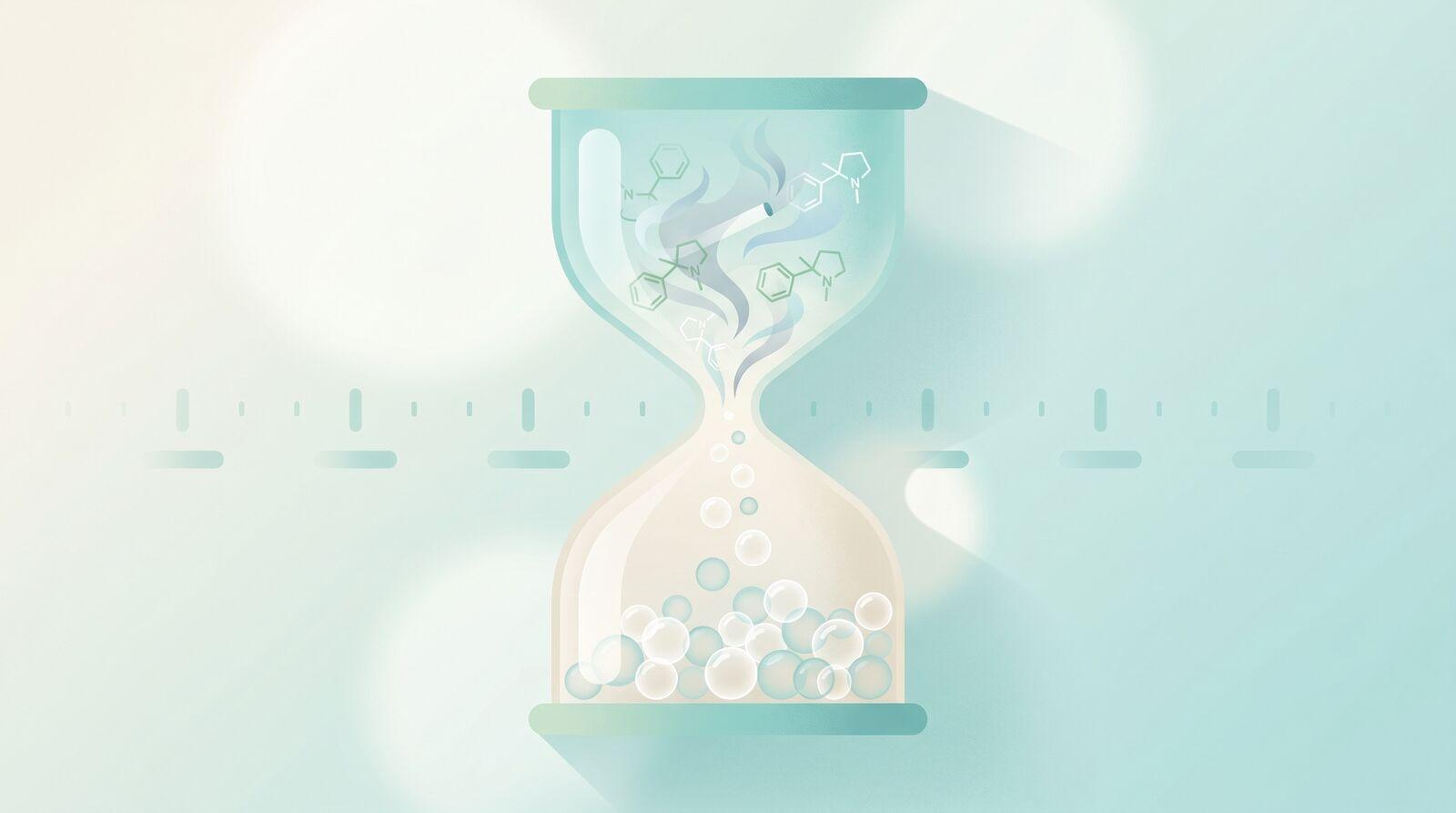
"İstekler ne kadar sürer" ifadesinin içinde gizlenmiş tamamen farklı iki süre vardır ve korkunun neredeyse tamamı birini diğerinin yerine koymaktan gelir.
İlk saat tek bir isteği ölçer: dumanı kokladığınızda, bir öğünü bitirdiğinizde ya da bir içki doldurduğunuzda dalgalanan o ayrı dürtüyü. O saat dakikalarla işler. İkinci saat genel örüntüyü ölçer: sigarayı bıraktıktan sonraki günler ve haftalar boyunca bu dürtülerin ne sıklıkta ve ne kadar şiddetli geldiğini. O saat haftalardan birkaç aya kadar işler ve istikrarlı şekilde aşağıyı gösterir.
İkinci günde isteğin tam ortasındayken ve dayanılmaz hissettiğinde, beyniniz sessizce zalim bir hesap yapar: bu tek dürtünün şiddetini alır ve önündeki aylarla çarpar, böylece kimsenin yüzleşemeyeceği bir acı duvarı üretir. Ama o duvar mevcut değildir, çünkü şu an hissettiğiniz şiddet aylar değil dakikalar sürer. İki saati birbirinden ayırın ve görev "bunun aylarcasını atlatmak"tan "önümüzdeki birkaç dakikayı geçirmek"e küçülür, ki bunu yapabilirsiniz.
Tek İstek: 3 ila 5 Dakika, Sonra Kırılır
Ayrı bir istek kendi kendini sınırlar. Yükselir, 3 ila 5 dakika içinde zirveye ulaşır ve 5 ila 10 dakika içinde geçer ve bunu siz sigara içseniz de içmeseniz de yapar. İşte her şeyi değiştiren kısım da bu: dürtü, beklerseniz sizi boğan yükselen bir gelgit değildir. Bir dalgadır. Kendi başına tepe yapar ve kırılır.
İnsanların aksine inanmasının nedeni, bir isteğin içmeden seyrini tamamlamasına neredeyse hiç izin vermemeleri, dolayısıyla onun kırıldığını hiç görmemeleridir. Üçüncü dakikada her boyun eğdiklerinde, isteğin "kazandığı" yönündeki yanlış dersi pekiştirirler, oysa gerçekte zaten tepe yapmasına saniyeler kalmıştı. Yalnızca bir avuç isteği sigara içmeden atlatmak bile o dersi doğrudan kanıtla yeniden yazar.
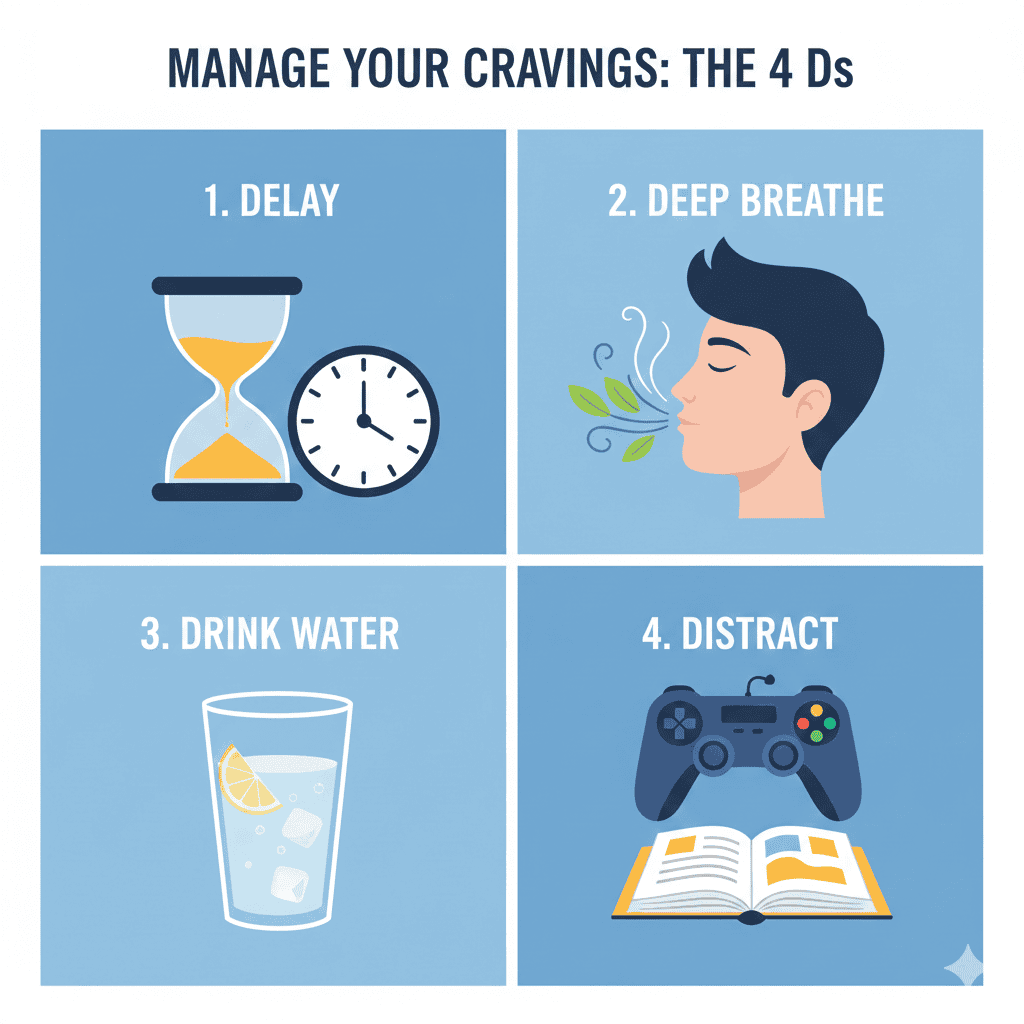
Pratikte, klasik erteleme taktiklerinin bu kadar güvenilir biçimde işe yaramasının nedeni budur. 4 E, yani Ertele, su iç, derin nefes al ve dikkatini başka yöne ver, sihir değildir; dalganın kırılması için gereken dört beş dakikayı geçirmenin yollarıdır yalnızca. Dışarı çık, başka bir odaya yürü, birine mesaj at, yirmi saniye yavaş nefes al. Amaç, isteği irade gücüyle bastırmak değil, onu geride bırakmaktır, çünkü sandığınızdan çok daha kısa bir saati vardır. O dakikalar için tüm araç setimiz nikotin istekleriyle başa çıkma rehberinde yer alıyor.
Yoksunluk Eğrisi: İlk Hafta Neden En Kötüsü
Şimdi ikinci saat. İsteklerin sıklığı ve yoğunluğu ilk 72 saatte zirve yapar, genellikle ikinci ve üçüncü günler civarında, ki bu tesadüf değil: tam olarak kandaki nikotinin sisteminizden tamamen temizlendiği ve beyninizin onun yokluğuna en sert biçimde yeniden ayar yaptığı andır. Bu pencerede istekler her yarım saatte bir gelebilir, yanında sinirlilik, huzursuzluk, düşük ruh hali ve odaklanma güçlüğüyle birlikte. Bu gerçekten en zorlu dönemdir ve bunun gelecek olanların bir önizlemesi değil zirve olduğunu bilmek, dik durmanıza yardımcı olur.
Dördüncü günden itibaren eğri aşağı kıvrılır. Çoğu insan için biçim kabaca şöyle görünür:
- 1 ila 3. günler: İstekler en sık ve en yoğun. Fiziksel yoksunluk belirtileri en üst seviyede.
- 1. hafta: Hâlâ sık ama üçüncü gündeki zirveden zaten hafiflemekte. Atlatılması en zor tek hafta.
- 2 ila 4. haftalar: Belirgin düşüş. İstekler sürekli yerine aralıklı hale gelir; beyninizin nikotin reseptörleri başlangıç düzeyine dönmeye başladıkça fiziksel yoksunluk büyük ölçüde çözülür.
- 2 ila 3. aylar: İstekler artık ara sıra gelir ve çoğunlukla kendiliğinden değil ipuçlarıyla tetiklenir. Kimyasal çekim kaybolmuştur; geriye kalan alışkanlıktır.
- 3 ayın ötesi: Çoğu insan esasen istekten arınmıştır, yalnızca güçlü ipuçlarına bağlı nadir, kısa dürtüler kalır.
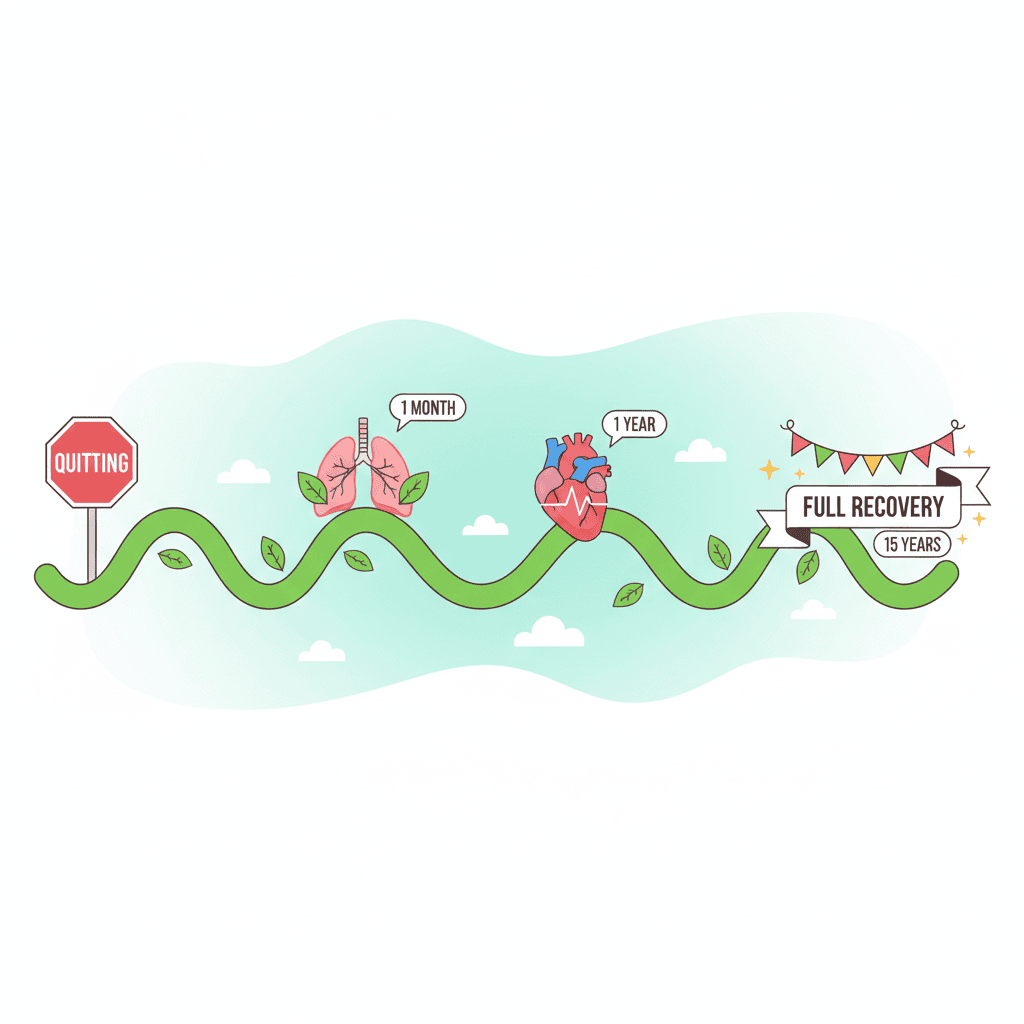
Düşüş tam anlamıyla pürüzsüz değildir ve bunu beklemek işe yarar. Harika bir üçüncü gününüz ve berbat bir beşinci gününüz olacak, sessiz bir ikinci haftanız ve üçüncü haftada bir partide aniden gelen sert bir isteğiniz. Tek tek günler öyle olmasa bile eğilim güvenilir biçimde yokuş aşağıdır. Bu dönem boyunca başka neler olduğunun tam resmini istiyorsanız, eksiksiz sigarayı bırakma zaman çizelgesi belirtileri ve iyileşme kilometre taşlarını gün gün haritalandırıyor.
İstekler Ne Zaman Koşullu Hale Gelir (ve Neden Devam Eder)
İşte insanları şaşırtan kısım: ilk birkaç haftadan sonra istekler artık nikotinle ilgili değildir. Kimyasal bağımlılık 72 saatlik bir olaydır. Ondan sonraki her şey koşullu öğrenmedir, beyninizin eski kısayolları ateşlemesidir.
Yıllarca her sigara ilacı bir bağlamla eşleştirdi: günün ilk kahvesi, alkolün ilk yudumu, bir öğünün sonu, stresli bir telefon, arabaya oturduğunuz an. Binlerce kez tekrarlanan bu eşleşmeler otomatik hale geldi. İpucunun tek başına, hiç nikotin gerekmeden, dürtüyü tetiklemesi tam da sigarayı düşünmediğiniz halde bir isteğin bıraktıktan haftalar sonra sizi pusuya düşürebilmesinin nedenidir. Bu ödül devresinin yeniden bağlanmasının mekaniği, sigarayı bırakmanın dopamin detoksu yazısında ayrıntılı biçimde ele alınıyor.
Koşullu istekler söner, ama kimyasal olanlardan daha yavaş bir saatte, çünkü yalnızca ipucuna sigara içmeden tekrar tekrar maruz kalarak zayıflarlar. Sabah kahvenizi sigarasız yeterince içerseniz, kahve artık sigara çağırmayı bırakır. Bazı ipuçlarının, özellikle alkolün, tutuşlarını en uzun koruma nedeni budur: insanlar bunlarla daha seyrek karşılaşır, dolayısıyla öğrenmeyi bırakmak daha fazla takvim süresi alır. Altı ay ya da bir yıl sonra bir düğünde veya olağandışı stresli bir haftada bir isteğin yüzeye çıkabilmesinin nedeni de budur. O geç dürtü geri sızan bir nüks değildir; sönmüş bir yolun bir kez daha ateşlenmesidir ve siz bıraktığınızda saniyeler içinde geçer.
İstekleri Gerçekten Ne Kısaltır (ve Ne Kısaltmaz)
Eğride ne kadar hızlı aşağı indiğinizi gerçekten değiştiren birkaç kaldıraç var ve popüler olan birkaçı hiçbir işe yaramıyor.
Yardımcı olanlar:
- Her isteği sigara içmeden atlatmak. Baskın etken budur. Atlatılan her dürtü kendi ipucunu zayıflatır. "Sadece bir tane" bunun tersini yapar: ipucunu nikotinle yeniden eşleştirir ve o yolun saatini sıfırlar, ki tek bir sigaranın bir bırakışı bu kadar sık çözmesinin nedeni de budur.
- Nikotin replasman tedavisi (NRT) ya da reçeteli ilaç. Bantlar, sakızlar, pastiller ve vareniklin gibi ilaçlar erken yoksunluk zirvesinin yüksekliğini körelterek bırakma başarısını kabaca ikiye katlar. Eğrinin en kötüsünü düzleştirirler, böylece davranışsal öğrenmeyi bırakmayı yapacak alanınız olur.
- Yalnızca isteği değil ipucunu yönetmek. Sabah rutininizi değiştirin, kahveyi içtiğiniz yeri taşıyın, ilk birkaç hafta sigara içilen verandadan kaçının. İpuçlarını erken kaldırmak ya da değiştirmek, hâlâ güçlüyken atlatılacak daha az istek demektir.
- Stresi nikotin olmadan dağıtmak. İsteklerin büyük bir kısmı, özellikle inatçı geç olanlar, stres biçimlidir. 90 saniyelik ritmik bir nefes sıfırlaması, bir sigaranın yalnızca sağlıyormuş gibi göründüğü gerçek sinir sistemi sakinleşmesini yapar; eşlikçi uygulamamız Flow Breath tam da o istek ve stres anları için yapıldı, dalga kırılırken size yapacak 4 veya 5 dakikalık bir şey verir.
Yardımcı olmayanlar:
- Detoks içecekleri, niasin ya da nikotini "atmak". Bunlar istekleri hızlandırmaz, çünkü istekler koşullu hale geldiğinde atılacak nikotin kalmamıştır. Kimyası nikotin tespit penceresi rehberinde ele alınıyor.
- Plansız diş sıkmak. Tek başına irade gücü, sizi zirveyle hiçbir araç olmadan yüz yüze bırakır, ki desteksiz bırakışların en düşük başarı oranlarına sahip olmasının nedeni de budur. Amaç istekleri atlatmak, onlara dayanarak acı çekmek değildir.
- Bırakmak için "mükemmel" sakin bir hafta beklemek. İstekten arınmış bir başlangıç rampası yoktur. Daha erken başlamak, yokuş aşağı saatini daha erken başlatmak demektir.
Vape ya da Poşet Bırakmak: Aynı Saat, Farklı Doku
Vape, nikotin poşetleri ve sigaranın hepsi aynı ilacı aynı reseptörlere ulaştırdığı için genel zaman çizelgesi geçerli kalır: keskin ilk üç gün, iki ila dört haftada belirgin hafifleme, aylarca sönen koşullu istekler. Farklı olan şey dokudur.
Gün boyu vape ya da poşet kullanımı, ayrı sigara molaları yerine istikrarlı, düşük dozlu alım anlamına gelme eğilimindedir, bu yüzden bazı insanlar günde bir paket içen birinin aralıklı, sert isteklerinden daha sürekli ve yaygın hissedilen erken istekler bildirir. Ayrıca unutması gereken sık sık daha yoğun bir mikro-ipucu ağı vardır, çünkü cihaz uyanık olduğunuz her dakika elinizin altındaydı: masadaki vape, her yudumdan sonraki poşet, elde oyalanma. Daha fazla ipucu, atlatılacak daha fazla tek tek yol demektir, ama her biri aynı kurala uyar ve içmeden yapılan her tekrarla zayıflar. Kimyasal çekim, her zaman olduğu gibi, günler içinde kaybolur.
Smoke Tracker Nasıl Yardımcı Olabilir?
İsteklerin oynadığı en zalim oyun, aslında istikrarlı biçimde yokuş aşağı yürürken size yerinizde sayıyormuş gibi hissettirmektir. Smoke Tracker, o yokuş aşağı hareketi görünür kılmak için var, böylece bu makaledeki zaman çizelgesi, kendinizi içinden geçerken izleyebileceğiniz bir şeye dönüşüyor.
- İstek Günlüğü: Her isteği geldiği anda dokunarak kaydedin ve uygulama bir hafta içinde kişisel ipucu haritanızı oluştursun, gerçek tetikleyicilerinizin "zayıflık" değil kahve ve akşam 9 olduğunu gösterir. Kayıtlı isteklerin haftalar boyunca seyrekleştiğini izlemek, eğrinin büküldüğünün doğrudan, inkâr edilemez kanıtıdır.
- Seri Sayacı: İsteklerin düştüğü tam eşikler olan 3. gün, 14. gün, 30. gün, soyut kavramlar yerine biriktirilmiş kilometre taşlarına dönüşür. Serinin 72 saatlik zirveyi aşıp tırmandığını görmek, en zorlu dönemi zaten geride kalmış olarak yeniden çerçeveler.
- Sağlık Zaman Çizelgesi: Siz istekleri atlatırken, dolaşımınız, akciğer işleviniz ve dinlenme nabzınız paralel bir hatta iyileşiyor. O ilerlemeyi görmek, dürtülerin giden ilk şey değil, son şey olduğunu hatırlatır.
- Biriken Tasarruf: Atlattığınız her istekle tırmanan ikinci, büyüyen bir sayı, atlatılan her dalgayı yalnızca bir yoksunluk değil görünür bir ödüle çevirir.
Tek bir istek, bir mahallenin etrafında yürümek kadar sürer; istekler haftalarca, sonra aylarca, sonra neredeyse hiç gelmeyecek şekilde devam eder, her biri bir öncekinden daha zayıf. Bağımlılığı bir kerede atlatmak zorunda değilsiniz. Yalnızca bir sonraki dalgayı atlatmanız yeterli, ve o da dakikalar içinde kırılır.
Kaynaklar
- Hughes, J. R. (2007). "Effects of abstinence from tobacco: valid symptoms and time course." Nicotine & Tobacco Research. pubmed.ncbi.nlm.nih.gov
- U.S. Department of Health and Human Services. (2020). "Smoking Cessation: A Report of the Surgeon General." ncbi.nlm.nih.gov
- Benowitz, N. L., Hukkanen, J., and Jacob, P. (2009). "Nicotine chemistry, metabolism, kinetics and biomarkers." Handbook of Experimental Pharmacology. pubmed.ncbi.nlm.nih.gov
- Ferguson, S. G., and Shiffman, S. (2009). "The relevance and treatment of cue-induced cravings in tobacco dependence." Journal of Substance Abuse Treatment. pubmed.ncbi.nlm.nih.gov
- Shiffman, S., et al. (1996). "First lapses to smoking: within-subjects analysis of real-time reports." Journal of Consulting and Clinical Psychology. pubmed.ncbi.nlm.nih.gov
- Hartmann-Boyce, J., et al. (2018). "Nicotine replacement therapy versus control for smoking cessation." Cochrane Database of Systematic Reviews. pubmed.ncbi.nlm.nih.gov
- Cahill, K., et al. (2016). "Nicotine receptor partial agonists for smoking cessation." Cochrane Database of Systematic Reviews. pubmed.ncbi.nlm.nih.gov
Sık sorulan sorular
- Tek bir nikotin isteği ne kadar sürer?
- Sigara dumanı kokladığınızda ya da bir öğünü bitirdiğinizde dalgalanan türden ayrı bir istek, tipik olarak yükselir, 3 ila 5 dakika içinde zirveye ulaşır ve siz sigara içseniz de içmeseniz de 5 ila 10 dakika içinde geçer. Sigarayı bırakmaya dair en işe yarar gerçek budur: dürtü kendi kendini sınırlar. Siz teslim olana kadar tırmanmaya devam etmez; kendi haline bırakıldığında bir dalga gibi tepe yapar ve kırılır. İnsanların yaptığı hata, beklerlerse isteğin dayanılmaz hale geleceğini varsaymaktır, oysa tam tersi doğrudur. On dakika ertelemek, su içmek, başka bir odaya geçmek ya da kısa bir nefes egzersizi yapmak zirveyi güvenilir biçimde geride bırakır ve bu şekilde atlattığınız her istek, beyninize dürtünün sigara olmadan da geçtiğini öğretir.
- Nikotin istekleri ne zaman zirve yapar?
- İsteklerin sıklığı ve yoğunluğu, son sigaranızdan sonraki ilk 72 saatte, genellikle 2. ve 3. günler civarında zirve yapar; bu tam olarak kandaki nikotinin tamamen temizlendiği ve beyninizin onun yokluğuna en keskin biçimde yeniden ayar yaptığı andır. Bu pencerede birçok insan uyanık saatlerde her 30 ila 60 dakikada bir istek geldiğini, buna sinirlilik, huzursuzluk ve odaklanma güçlüğünün eşlik ettiğini bildirir. 4. günden itibaren eğri aşağı kıvrılır: istekler haftadan haftaya daha seyrek ve daha güçsüz hale gelir. 2. haftanın sonunda çoğu insan en zorlu fiziksel dönemi atlatmış olur ve 3 ila 4. haftaya gelindiğinde istekler tipik olarak sürekli değil ara sıra gelen bir hale gelir.
- Nikotin istekleri tamamen geçer mi?
- Eski içicilerin büyük çoğunluğu için evet. İsteklerin arkasındaki kimyasal dürtü birkaç hafta içinde kaybolur ve ipuçlarının tetiklediği koşullu istekler, kullanılmadıkça çağrışımlar zayıfladığı için sonraki aylarda istikrarlı şekilde söner. Çoğu insan 3 ila 6 ay içinde esasen istekten arınmış olur. Bir azınlık ise çok daha sonra, çoğu zaman yıllar sonra, neredeyse her zaman ağır stres, alkol ya da diğer içicilerin yanında olmak gibi güçlü bir ipucuyla tetiklenen geçici, anlık istekler yaşar. Bu geç istekler kısa ve zayıftır ve bir başarısızlık ya da bağımlılığın geri döndüğü işareti değildir; ateşlenen eski bir hatıradır ve siz harekete geçmezseniz saniyeler içinde geçer.
- Sigarayı bıraktıktan aylar sonra neden hâlâ istek duyuyorum?
- Geç istekler koşullu reflekslerdir, kimyasal yoksunluk değil. Yıllar boyunca beyniniz sigara içme eylemini belirli ipuçlarına lehimledi: sabah kahvesi, alkolün ilk yudumu, bir öğünü bitirmek, stresli bir telefon görüşmesi, eve dönüş yolculuğu. Bu sinirsel kısayollar nikotin vücudunuzdan ayrıldığı anda silinmez; yalnızca ipucuna sigara içmeden tekrar tekrar maruz kalarak sönerler. Bu yüzden aylar sonra bir ipucunun olağandışı güçlü ya da yeni bir biçimi, özellikle kötü bir gün, bir düğün, bir bayram hâlâ o eski yolu ateşleyebilir. Bir nüks uyarısı gibi hissettirir ama tam tersidir: neredeyse bitmiş bir alışkanlığın son, zayıf yankısıdır ve onu görmezden gelmek onu daha da zayıflatır.
- Vape ya da poşet bırakırken istekler aynı süre kadar sürer mi?
- Altta yatan mekanizma aynıdır, çünkü vape, poşet ve sigaranın hepsi aynı ilacı aynı reseptörlere ulaştırır, dolayısıyla genel zaman çizelgesi geçerli kalır: keskin ilk 3 gün, 2 ila 4 haftada belirgin hafifleme ve aylarca sönen koşullu istekler. Ancak dokusu farklı olabilir. Gün boyu vape ya da poşet kullanımı, çoğu zaman ayrı sigara molaları yerine daha sık, daha düşük dozda alım anlamına gelir, bu yüzden bazı insanlar başlangıçta daha sürekli ve yaygın hissedilen istekler bildirir ve unutması gereken daha yoğun bir mikro-ipucu ağı (masadaki vape, her kahveden sonraki poşet) olur. İyi haber aynıdır: nikotin almadan atlatılan her ipucu zayıflar ve kimyasal çekim her iki durumda da günler içinde kaybolur.
Bu yazı yalnızca bilgilendirme amaçlıdır ve tıbbi tavsiye niteliği taşımaz. Sağlık bilgileri; CDC, DSÖ ve American Lung Association gibi kuruluşların yayımladığı araştırmalara dayanır. Sigarayı bırakma konusunda kişiye özel rehberlik için her zaman bir sağlık uzmanına danışın.