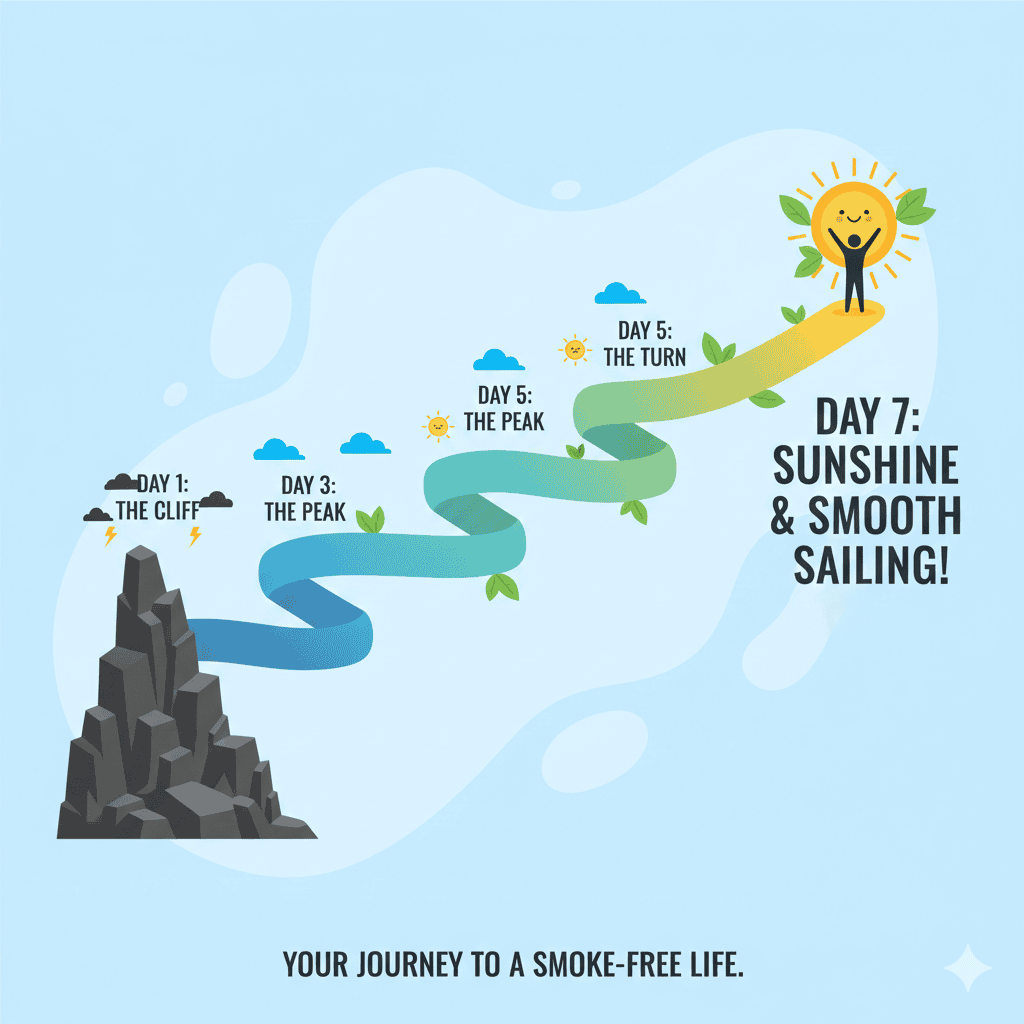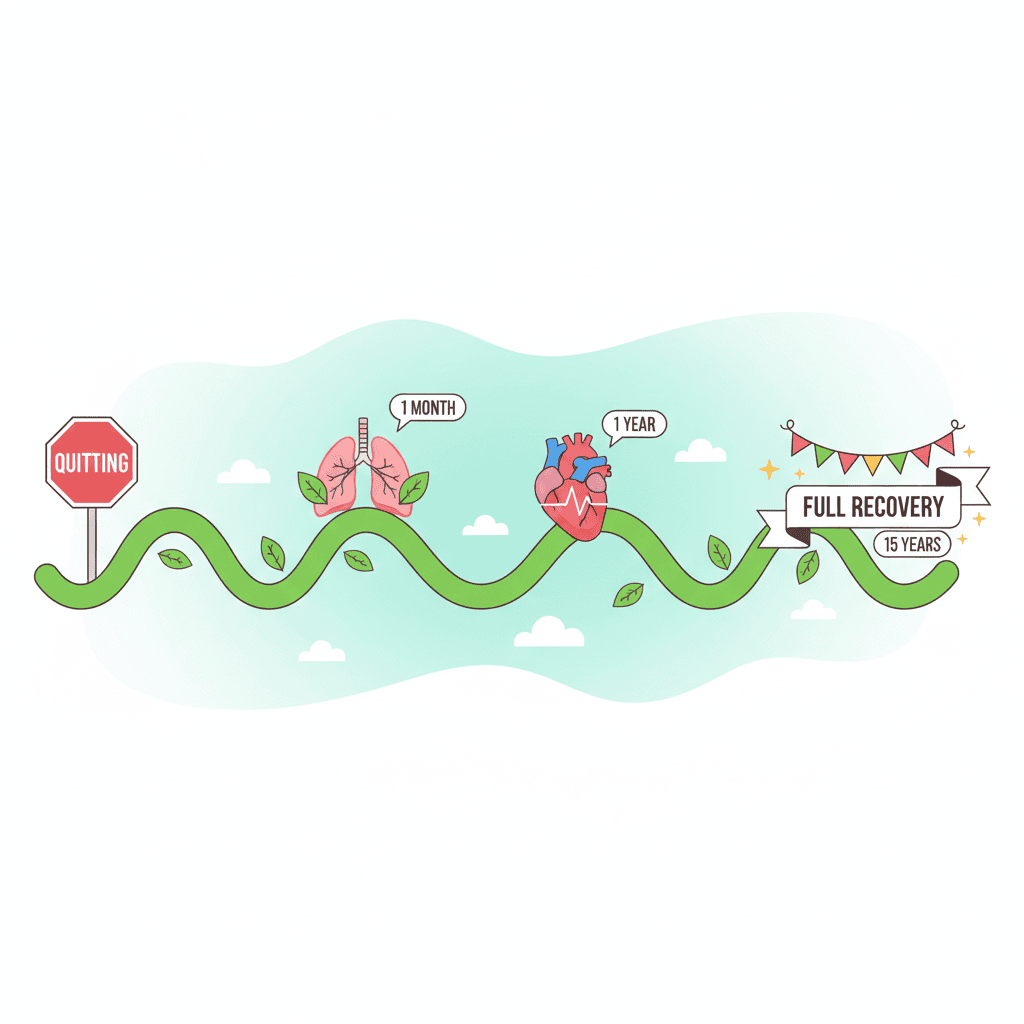
Thirty days. A full calendar month without a single cigarette. If you are reading this somewhere near that mark, take a second to actually let it land, because what you have done is medically and psychologically significant. The first week gets all the attention, and the first 72 hours get the headlines, but day 30 is the quieter, deeper milestone where your body has stopped fighting the absence of nicotine and started rebuilding around it. The changes happening inside you right now are different from the dramatic shifts of week one. They are slower, structural, and in many ways more important. Here is exactly what one month smoke-free looks like from the inside.
What Has Actually Healed in Your Body by Day 30?
By the time you reach the one-month mark, the loud, obvious recovery of the first week has given way to quieter but deeper repairs.
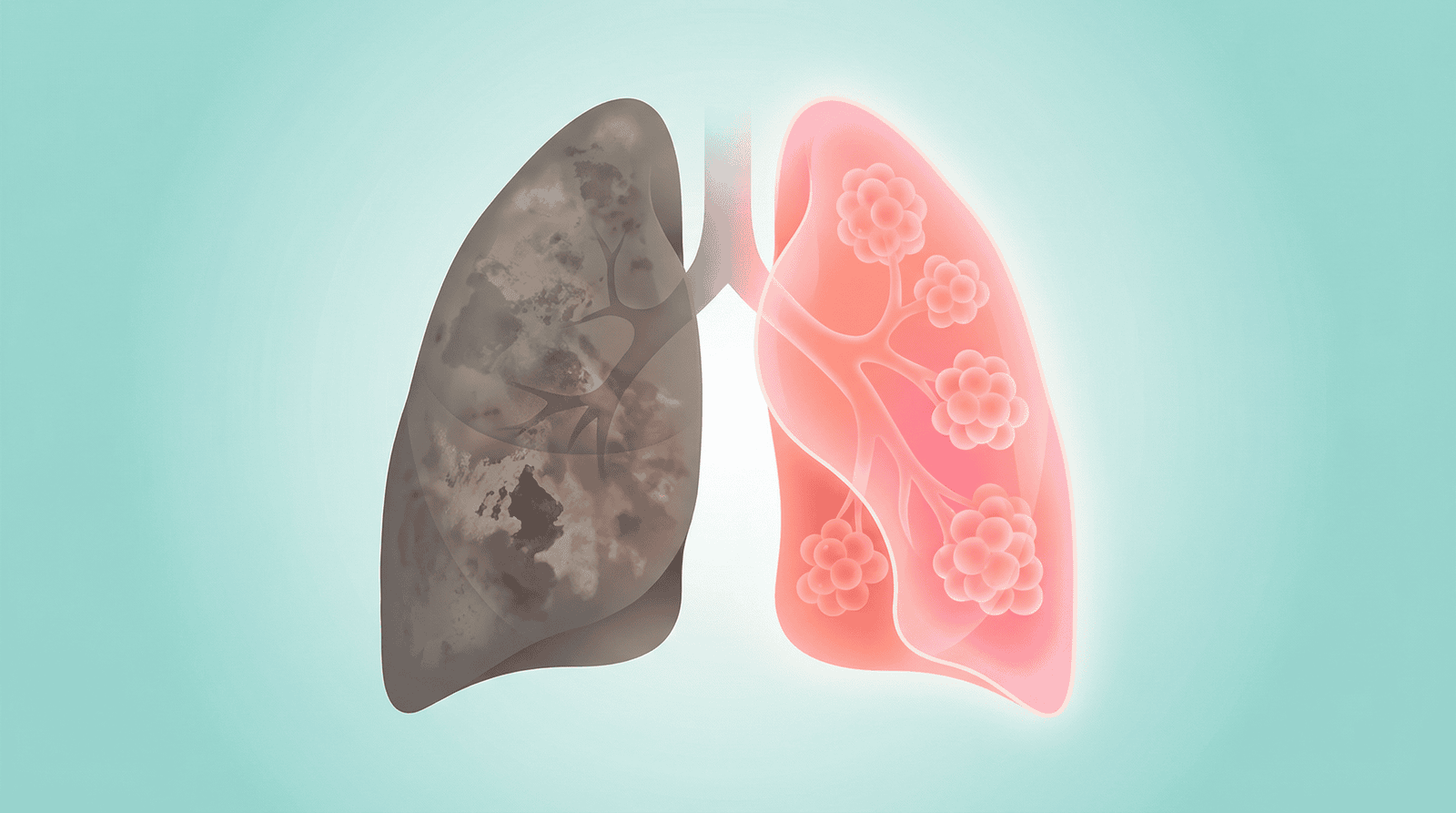
Your lungs are now visibly improving on pulmonary function tests. Cilia, the tiny hair-like structures that sweep mucus and debris out of your airways, were paralyzed flat by smoking. By week two, they begin regrowing. By day 30, they are functional enough that the famous "quitter's cough" peaks and then starts subsiding. Many former smokers notice they can take a deeper breath without that catch in their chest. FEV1, a standard measure of how much air you can forcefully exhale in one second, typically improves by 5 to 10 percent within the first month of quitting, and continues climbing for months afterward.
Your circulation has shifted noticeably. Within two to twelve weeks of quitting, blood vessel function and circulation improve substantially, which is why hands and feet feel warmer and small wounds heal faster than they used to. Your resting heart rate has dropped, often by five to ten beats per minute. Carbon monoxide, which had been crowding oxygen out of your red blood cells for years, is long gone, and tissues throughout your body are getting properly fed for the first time in a long time.
Your immune system is also stronger. White blood cell counts, which run elevated in active smokers as a sign of chronic inflammation, normalize within the first month. The risk of catching a respiratory infection drops, which is why many former smokers report their first month of fewer colds.
For a deeper look at how your lungs specifically rebuild themselves, see how your lungs heal after quitting smoking.
How Has Your Brain Changed in 30 Days?
This is the change most quitters underestimate, and it is arguably the most important one.
Years of smoking caused your brain to grow extra nicotinic acetylcholine receptors, the docking stations that nicotine binds to. More receptors meant you needed more nicotine just to feel normal. The good news: those extra receptors begin downregulating within days of quitting, and by the end of the first month, brain imaging studies show that receptor density is approaching that of a non-smoker. In practical terms, your brain has stopped expecting nicotine. The constant background hum of "I need a cigarette" gets noticeably quieter around weeks three and four for most people, and that is not just willpower kicking in. It is your neurochemistry recalibrating.
Dopamine signaling, which had been hijacked by nicotine for years, is also resetting. The first two weeks often feel emotionally flat or low because the brain's natural reward system was suppressed in favor of the nicotine spike. By day 30, baseline dopamine sensitivity has begun to recover, which is why simple pleasures like food, music, exercise, and good conversation start to feel a little more rewarding than they did in week one. If you have been worried that the world will never feel as vivid without cigarettes, day 30 is usually when you start getting your first concrete evidence that the worry was wrong.
Which Withdrawal Symptoms Have Faded by Now?
The acute withdrawal that dominated days one through ten is mostly gone. Headaches, nausea, and the worst of the irritability have typically resolved by day 14 to 21. Sleep, which is often disrupted in week one, normalizes for most people by week three. Appetite has stabilized after the initial surge. Concentration, often described as "brain fog" in the first two weeks, returns to near-baseline by day 30 and continues improving for several months.
What may still linger:
- Occasional intense cravings, especially around triggers like coffee, alcohol, or stressful moments. These are no longer constant, but they can still hit hard and unexpectedly.
- Mild restlessness or boredom, particularly in moments that used to be filled with smoking.
- Increased coughing as your lungs clean themselves, though this should be tapering by week four.
- Mood dips, usually mild, as your brain's reward system continues recalibrating.
If you are still experiencing severe cravings or intense mood symptoms at 30 days, that is not a sign of failure. It usually means you have a few persistent triggers worth identifying and working through specifically. Our guide to managing nicotine cravings covers tactical strategies that work especially well past the acute phase.
What New Challenges Tend to Appear at One Month?
Day 30 has its own quiet hazards, and almost nobody warns you about them in advance.
The first is complacency. After surviving the brutal first two weeks, many people start feeling so much better that they let their guard down. The thinking goes: "I beat the worst of it, one cigarette would not undo all this." Statistically, this is one of the most dangerous thoughts a former smoker can have. Studies of relapse patterns show that the four-to-eight-week window is a major risk zone, second only to the first 14 days, precisely because acute withdrawal has faded and people stop taking the quit as seriously.
The second is the celebration trap. Friends and family may suggest a drink to mark the milestone. Alcohol weakens impulse control and is one of the strongest cross-triggers for smoking, so a celebratory night out can put you in front of a craving you have not had to face in weeks. If you are going to celebrate, our guide on why alcohol triggers cigarette cravings is worth a quick read first.
The third is the identity gap. Around the one-month mark, many quitters report a quiet sense of, "If I am not a smoker anymore, who am I?" The cigarette had been woven into mornings, breaks, social moments, transitions between tasks. Removing it leaves a structural hole that nothing has yet filled. This is normal and temporary, but it is real, and naming it helps.
How Much Have You Actually Saved in 30 Days?
Money is one of the most concrete and motivating measures of progress, and the numbers at day 30 tend to surprise people.
A pack-a-day smoker in the US, paying around $8 per pack, has saved roughly $240 in 30 days. In countries with higher tobacco taxes, the figure is much larger: a pack-a-day quitter in the UK at around £14 per pack has saved nearly £420, and in Australia at around AUD $40 per pack the savings hit close to AUD $1,200 in a single month. Multiply that across a year and you are looking at the price of a vacation, a new bike, several months of gym membership, or a meaningful chunk of an emergency fund.
The point of the math is not the money itself. It is the visible, undeniable evidence that something concrete has changed, evidence you can hold and spend. Earmarking your savings for something you actually want, rather than letting them blur into the regular budget, makes day 30 hit harder in a good way.
What Should You Do (and Avoid) at the One-Month Mark?
Two things are worth doing deliberately at day 30.
Mark the milestone in a way that does not involve smoking triggers. Buy something tangible with the money you have saved. Take a hike, get a massage, plan a meal at a restaurant you have been curious about. The brain learns by association, and creating a positive, smoke-free memory at this exact moment helps cement the new identity that is forming.
Re-commit, out loud, to your next milestone. Day 30 is not the finish line. The next high-leverage marker is roughly 90 days, when the data shows relapse risk drops sharply. Tell yourself, ideally tell someone else, that you are aiming for it. The act of articulating the next goal makes it noticeably more likely you will hit it.
What to avoid: testing yourself with "just one." There is no such thing as "just one" for a brain that has spent years learning the nicotine reward loop. A single cigarette at day 30 reactivates receptor sensitivity, restores the conditioned associations you have been weakening, and dramatically raises the odds of a full relapse within 30 days. The research is unambiguous on this. The safest move at one month is the same as it was at week one: zero.
How Can Smoke Tracker Help You Stay on Track Past Day 30?
Hitting 30 days smoke-free is a turning point, but the next 60 days are where the new identity actually solidifies. The data you have built up in your first month becomes your most valuable tool for the harder, quieter weeks ahead.
- Streak Counter: Watching the number climb past 30 creates a daily reason not to break the chain, especially when motivation dips around weeks five and six.
- Health Timeline: See exactly which recovery milestones you have already hit and which are coming next, so progress stays visible even when day-to-day feelings plateau.
- Money Saved: Track the running total in real time and assign your savings to a specific goal, which turns abstract progress into something you can spend.
- Craving Log: Identify which triggers still spike at 30 days versus which have already gone quiet, so you can put your remaining energy into the few that actually matter.
The first month rewires your body. The next two months rewire your habits and identity. Day 30 is the moment where those two phases meet, and the people who treat it as a checkpoint instead of a finish line are the ones who never look back.
You did the hardest part. Now do the part that lasts.
Sources
- Centers for Disease Control and Prevention. "Benefits of Quitting Smoking Over Time." cdc.gov
- American Lung Association. "Benefits of Quitting." lung.org
- National Institute on Drug Abuse. "Tobacco, Nicotine, and E-Cigarettes." nida.nih.gov
- Mayo Clinic. "Nicotine Dependence." mayoclinic.org
- American Cancer Society. "Health Benefits of Quitting Smoking Over Time." cancer.org
Common questions
- What changes after 30 days smoke-free?
- By 30 days, withdrawal symptoms are largely over. Carbon monoxide and oxygen levels are normal, lung cilia have begun clearing accumulated mucus, sleep is deepening, taste and smell are sharper, and dopamine is climbing back toward baseline. Focus and energy improvements become noticeable. The dopamine-driven mood drop of weeks 1-3 is lifting.
- Is the relapse risk still high at 1 month smoke-free?
- Relapse risk drops sharply after week 4, but it does not disappear. About 60 percent of one-month quitters relapse before 3 months. The main trigger at this stage is no longer physiological craving but social and routine cues: drinks, friends who smoke, stress. Continued NRT, written plans for trigger situations, and tracking still matter.
- How is sleep at 30 days smoke-free?
- Sleep is markedly better than weeks 1-2 but not fully back to baseline. Sleep architecture normalizes around week 3-4, with fewer night wakings and more deep slow-wave sleep. Vivid dreams (often about smoking) may still occur as REM rebounds. By month 2-3, sleep typically exceeds smoking-era levels.
- When do taste and smell come back fully?
- Taste and smell start improving within 48-72 hours and most people notice food tasting sharper within the first week. Full sensory recovery takes 2 to 12 weeks depending on how long you smoked. By 30 days, the improvement is usually striking and reported as one of the most enjoyable benefits of quitting.
This article is for informational purposes only and does not constitute medical advice. Health information is based on published research from organizations such as the CDC, WHO, and American Lung Association. Always consult a healthcare professional for personalized guidance on smoking cessation.