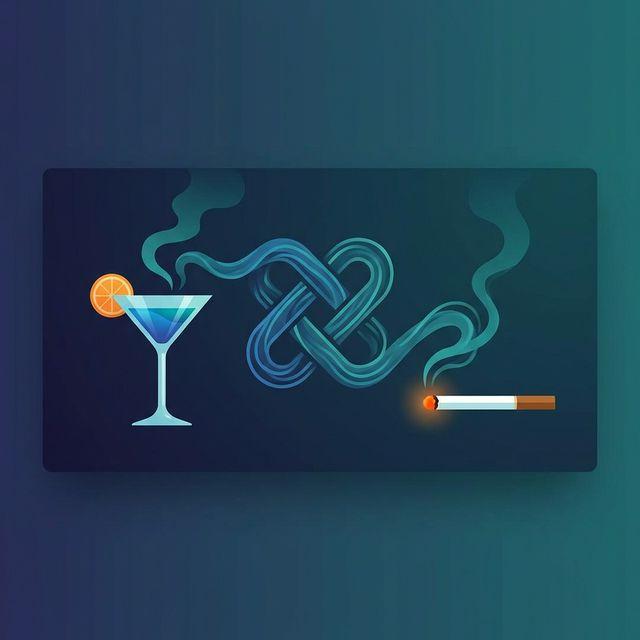
We've all been there or known someone who has: the person who "only smokes when they drink." You might go weeks without a cigarette, feeling confident in your quit journey, but as soon as the first beer or glass of wine hits your lips, the craving for a cigarette becomes overwhelming. As it turns out, the link between alcohol and nicotine is biological, psychological, and deeply rooted in brain chemistry. Understanding this connection is the first step toward breaking it for good.
What Is the Neurological Link Between Alcohol and Nicotine Cravings?
The connection starts in the mesolimbic dopamine pathway, often called the brain's reward circuit. Both alcohol and nicotine activate this system, flooding the nucleus accumbens with dopamine and reinforcing the desire to repeat the behavior. Research suggests that alcohol consumption primes dopamine receptors in a way that amplifies the rewarding effects of nicotine, making each cigarette feel more satisfying than it would on its own. Nicotine, meanwhile, acts as a stimulant that counteracts the sedative properties of alcohol, allowing drinkers to stay alert longer. Nicotine enhances alcohol-induced dopamine release in the ventral tegmental area, creating a synergistic reward loop. This dual activation means your brain does not simply want both substances independently; it has learned that consuming them together produces a heightened pleasure response that neither delivers alone.
How Does Cross-Cue Reactivity Trigger the Urge to Smoke?
Cross-cue reactivity is the phenomenon where exposure to one addictive cue automatically activates cravings for another. For people who have a history of smoking while drinking, the taste or social context of alcohol acts as a powerful nicotine trigger. Neuroimaging research has shown that alcohol-related visual cues activated the same prefrontal and striatal brain regions involved in nicotine craving among dual users. This overlap explains why a single sip of beer can reignite smoking urges weeks after your last cigarette. Classical conditioning plays a central role: years of pairing the two behaviors have wired them together at a neural level, much like Pavlov's dogs learned to salivate at the sound of a bell. Environmental contexts reinforce this effect, as bars and parties are settings where both substances were historically consumed. Research shows that these conditioned associations can persist for months after quitting, making early awareness essential.
Why Does Alcohol Lower Your Defenses Against Smoking?
Alcohol impairs the prefrontal cortex, the brain region responsible for decision-making, impulse control, and long-term planning. After just two or three drinks, the executive functions that help you remember why you quit begin to weaken. Even moderate alcohol consumption increases impulsive behavior and reduces the ability to resist temptation. The "just one cigarette won't hurt" mentality emerges not because you lack willpower, but because alcohol has temporarily disabled the neural circuits that support it. Alcohol use is identified as one of the top environmental triggers for smoking relapse, particularly during the first three months of a quit attempt. Additionally, alcohol reduces self-monitoring, which means you are less likely to notice the internal warning signs that normally help you resist a craving. The disinhibiting effect is dose-dependent: the more you drink, the weaker your resolve becomes.
What Strategies Help You Drink Without Smoking?
Practical preparation is far more effective than willpower alone when navigating social drinking situations. Experts recommend identifying personal "tipping points," the specific number of drinks after which cravings become unmanageable, and switching to water before reaching that threshold. Changing your drink of choice can also disrupt the conditioned association: if you always smoked with beer, switching to a spritzer or mocktail creates a new sensory experience without the embedded smoking cue. Keeping your hands occupied is another tactile strategy, since smoking is partly a manual habit. Hold your drink in your dominant hand, or keep a straw or fidget device nearby. Nicotine replacement products such as lozenges or gum can provide a safety net during high-risk outings, a strategy endorsed by clinicians for situations where cravings are predictable. If you are attending a gathering where others will smoke, plan to stay indoors and away from smoking areas, removing the visual and olfactory triggers that compound cravings.
Should You Avoid Alcohol Entirely During Early Cessation?
This is one of the most debated questions in smoking cessation research, and the answer depends on individual circumstances. Research suggests that heavy drinkers who reduced alcohol intake during a quit attempt were significantly more likely to remain smoke-free at the 16-week follow-up. Experts advise newly quit smokers to limit or avoid alcohol for at least the first few weeks, when withdrawal symptoms and conditioned cravings are at their peak. However, complete abstinence from alcohol is not always necessary or realistic. Moderate drinkers with strong support systems may maintain controlled consumption if they pair it with relapse prevention strategies. The key distinction is between planned, moderate drinking in low-risk settings and unstructured heavy drinking in high-risk environments. Honest self-assessment matters: if alcohol has been the primary trigger for past relapses, a temporary break from drinking dramatically improves your odds.
What Does Research Reveal About Dual Addiction to Alcohol and Nicotine?
The co-occurrence of alcohol and nicotine dependence is strikingly common. Roughly 80 to 90% of people with alcohol use disorder also smoke cigarettes, a rate three to four times higher than the general population. Research has identified shared genetic variants in the CHRNA5-A3-B4 gene cluster that influence susceptibility to both nicotine and alcohol dependence, suggesting a biological basis for the overlap. Chronic use of both substances alters GABA and glutamate signaling in ways that deepen dependence on each. Research has found that quitting smoking did not increase alcohol consumption, contradicting a common fear among dual users. Participants who achieved smoking cessation showed modest reductions in drinking. This finding is encouraging: addressing one addiction does not automatically worsen the other, and tackling both can create a positive feedback loop of improved health.
How Can You Handle Social Drinking Scenarios Without Relapsing?
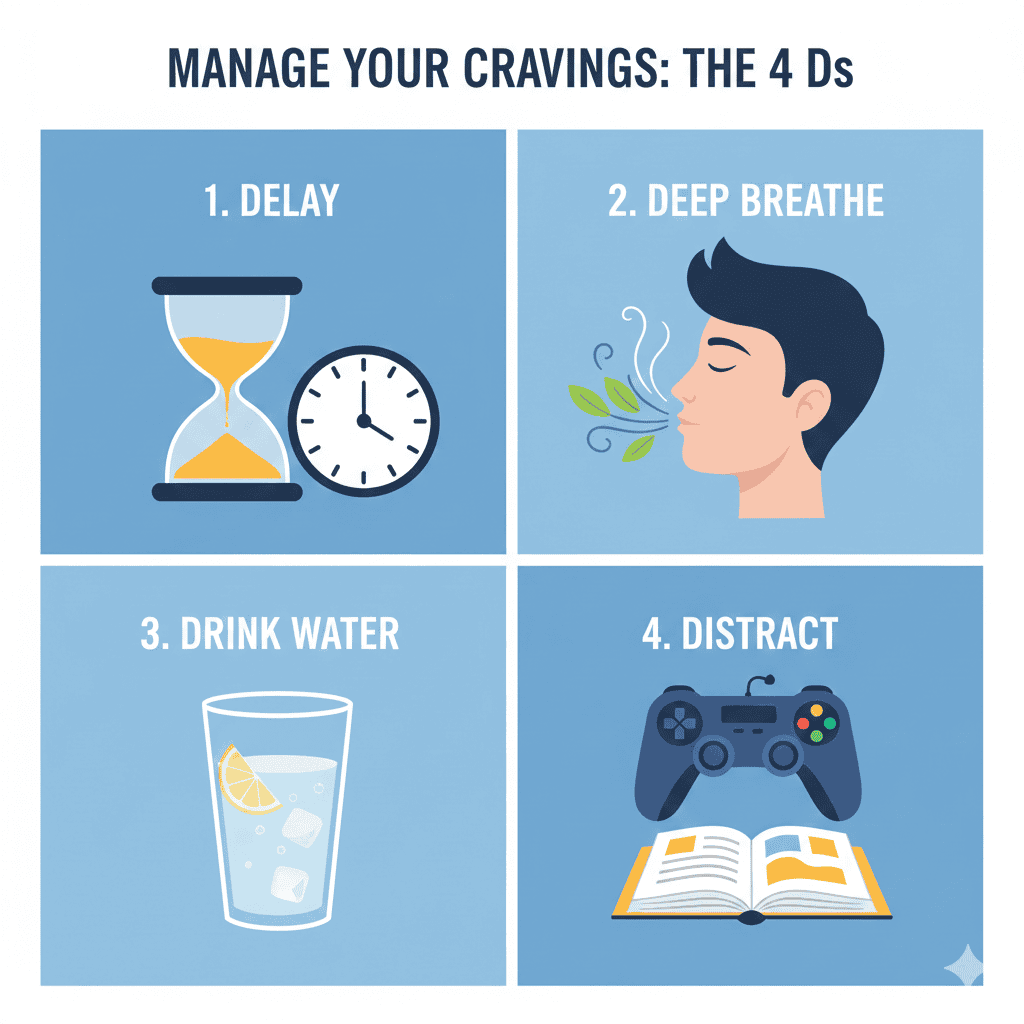
Social environments present unique challenges because they combine alcohol, peer influence, and environmental cues simultaneously. Experts recommend rehearsing refusal strategies before arriving at an event, including simple scripts like "No thanks, I've quit" delivered with confidence. Arriving with a non-smoking ally can provide accountability and reduce the sense of isolation when others step outside to smoke. If the urge strikes, a brief walk or a two-minute deep breathing exercise can help the craving pass; most acute cravings peak and fade within three to five minutes, according to research. Choosing venues that prohibit indoor smoking removes a major environmental trigger. Tracking your smoke-free streak with an app like Smoke Tracker also adds a motivational layer: seeing 30, 60, or 90 days of progress on your screen can be the extra push you need to say no. Over time, repeated success in these situations rewires conditioned associations, weakening the link between alcohol and cigarettes.
How Can Smoke Tracker Help You Break the Alcohol-Smoking Link?
Awareness of your triggers is the foundation of lasting change, and that is where consistent tracking becomes invaluable. Smoke Tracker helps you identify patterns between social activities, alcohol consumption, and craving intensity so you can intervene before relapse.
- Cravings Log: Record when and where cravings hit hardest, revealing whether alcohol, specific settings, or certain times of day are your primary triggers.
- Health Timeline: Watch recovery milestones accumulate, reinforcing the medical reasons to stay smoke-free even when a craving feels overwhelming.
- Money Saved: Redirect money you no longer spend on cigarettes toward experiences that do not revolve around drinking, like fitness classes or a new hobby.
Drinking does not have to lead to smoking. By understanding the neurological, psychological, and social forces at play, you can prepare yourself and reclaim control. The next time you are out and the craving hits, remember: it is a chemical response, not a reflection of your willpower. Let the moment pass, and let your progress speak for itself.
Sources
- National Institute on Drug Abuse. "Tobacco, Nicotine, and E-Cigarettes." drugabuse.gov
- Centers for Disease Control and Prevention. "Benefits of Quitting Smoking Over Time." cdc.gov
- American Lung Association. "Benefits of Quitting." lung.org
- Mayo Clinic. "Nicotine Dependence." mayoclinic.org
- American Cancer Society. "Health Benefits of Quitting Smoking Over Time." cancer.org
- National Cancer Institute. "Harms of Smoking and Benefits of Quitting." cancer.gov
This article is for informational purposes only and does not constitute medical advice. Health information is based on published research from organizations such as the CDC, WHO, and American Lung Association. Always consult a healthcare professional for personalized guidance on smoking cessation.