Ti siedi per fare qualcosa di semplice, una mail di lavoro, un modulo, un paragrafo che hai già letto, e la mente proprio non riesce ad afferrarlo. Le parole scivolano via. Cerchi un nome che conosci da anni e non c'è. Entri in una stanza e il motivo per cui ci sei entrato è evaporato. Non sei privato del sonno in nessun modo che tu possa indicare, non sei malato, eppure la testa ti sembra imbottita di ovatta, come se pensassi attraverso uno strato di disturbo. Questa è la nebbia mentale, ed è una delle parti più disorientanti e di cui meno si avverte chi smette di fumare. È anche una delle più fraintese: molti interpretano la nebbia come la prova che le sigarette li tenevano lucidi e che smettere li sta peggiorando. La verità è quasi l'opposto. Ecco esattamente perché il pensiero si annebbia quando smetti di fumare, quanto dura, l'errore con la caffeina che la addensa e ciò che la dissolve davvero.
Cos'è davvero la nebbia mentale dopo aver smesso?
La nebbia mentale non è una diagnosi medica. È un'etichetta in linguaggio comune per un insieme di sintomi cognitivi reali: difficoltà di concentrazione, elaborazione più lenta, memoria a breve termine debole, scarso recupero delle parole e una sensazione generale che pensare richieda più fatica di quanto dovrebbe. Nelle prime fasi dopo aver smesso, quell'insieme non è un problema solo. Sono quattro cose che accadono insieme, ed è per questo che sembra così totale.
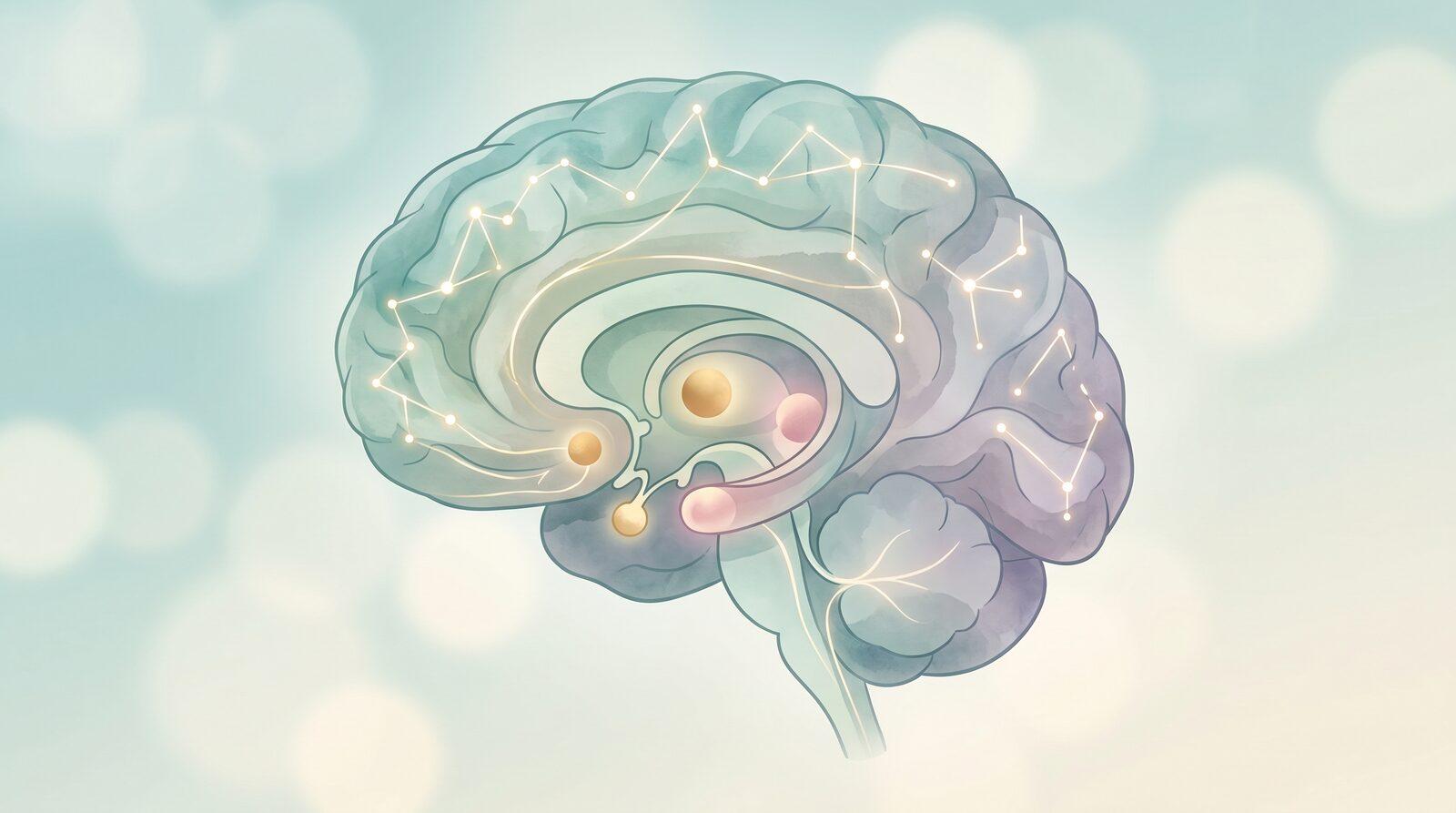
La prima e più grande è la perdita della nicotina come farmaco cognitivo. La nicotina si lega ai recettori dell'acetilcolina in tutti i circuiti dell'attenzione e della memoria, e l'acetilcolina è uno dei segnali principali del cervello per la concentrazione, la prontezza e la memoria di lavoro. Ogni sigaretta forniva una dose rapida e affidabile di stimolazione proprio a quei sistemi. Un fumatore di lunga data ha passato anni a far funzionare parte della propria attenzione su richiesta, dosando una sostanza per la concentrazione quindici o venti volte al giorno. Quando la nicotina sparisce, il cervello deve reimparare a generare attenzione sostenuta da solo, e durante quel reapprendimento lo stato di base è sottoalimentato. La nebbia è il divario tra un sistema dell'attenzione che si era abituato a un aiuto chimico e uno che non ha ancora ricostruito il proprio.
La seconda è il calo di dopamina. Il fumo ha gonfiato per anni la segnalazione dopaminergica, e il cervello ha compensato riducendo il proprio sistema dopaminergico. Quando la fonte artificiale viene rimossa, c'è un calo reale e misurabile prima che il sistema si ricostruisca. La dopamina non riguarda solo il piacere. È centrale per la spinta, la motivazione e la disponibilità del cervello a impegnarsi in compiti faticosi. Un cervello a bassa dopamina non si sente solo piatto, si disimpegna, e quel disimpegno dall'interno si percepisce come nebbia e incapacità di importarsene abbastanza da concentrarsi.
La terza è il disturbo del sonno. L'astinenza frammenta gravemente il sonno nelle prime una o due settimane: ci si addormenta più lentamente, ci si sveglia più volte di notte, c'è meno sonno profondo a onde lente. Il sonno profondo è quando il cervello consolida la memoria ed elimina gli scarti metabolici, e la sola perdita di sonno a onde lente produce disattenzione il giorno dopo, scarso ricordo ed elaborazione lenta in chiunque, fumatore o no. Quindi parte della nebbia è semplicemente cognizione sotto-dormita, sommata a tutto il resto. Il nostro articolo su come smettere di fumare trasforma la qualità del sonno spiega perché tutto questo è temporaneo e perché il sonno finisce per essere nettamente migliore dall'altra parte.
La quarta è lo stato di astinenza in sé. La nicotina agisce su recettori in tutto il sistema nervoso centrale, e quando è improvvisamente assente il sistema funziona in uno stato di lieve disregolazione: ansia, irrequietezza, irritabilità, una mente che non si placa. Una mente irrequieta e ansiosa è una mente la cui memoria di lavoro è già occupata a metà dal rumore di fondo. Resta semplicemente meno spazio per il compito che hai davanti, e quel che resta ti sembra annebbiato.
Sotto tutti e quattro, il cervello si sta anche ricalibrando a un diverso ambiente di ossigeno. Il monossido di carbonio si elimina entro circa un giorno dall'ultima sigaretta e l'ossigeno nel sangue sale, il che è inequivocabilmente positivo, ma i sistemi che usano quell'ossigeno per il lavoro mentale sostenuto impiegano più tempo a riaccordarsi. Più carburante arriva al cervello, ma il motore sta ancora regolando il modo in cui lo brucia. Per il quadro neurologico completo di ciò che si sta ricostruendo sotto la nebbia, la nostra guida al tuo cervello dopo aver smesso di fumare mappa in dettaglio il recupero dei recettori e della dopamina.
I tempi della nebbia mentale dopo aver smesso
La variabilità individuale è ampia, ma la forma è coerente in tutta la ricerca sull'astinenza da nicotina.
Ore 4-24. La nicotina si elimina. La prima cosa che la maggior parte delle persone nota è irrequietezza e voglia, non nebbia. Alcuni avvertono una vaga piattezza mentale che cresce.
Giorni 1-3. Esordio. La concentrazione inizia a vacillare, i compiti richiedono più tempo e rileggere la stessa riga diventa comune. La nebbia arriva insieme al picco delle voglie e dell'irritabilità, e non è una coincidenza: condividono una causa.
Giorni 3-14. Picco. Questa è la finestra peggiore, ed è più ampia del picco del mal di testa o della stanchezza. Il divario stimolante, il calo di dopamina e il debito di sonno accumulato sono tutti vicini al massimo, e i sintomi cognitivi tendono a sembrare più pesanti dalla fine della prima settimana fino alla seconda e alla terza. Molti interpretano erroneamente questo tratto come prova che «pensano meglio con una sigaretta». Non è così. Sono sul fondo di una curva che ha già iniziato a risalire.
Settimane 2-4. Declino. L'architettura del sonno inizia a normalizzarsi, il che rimuove il singolo fattore più grande. La nebbia diventa intermittente invece che costante, con ore limpide che compaiono tra quelle annebbiate.
Settimane 4-12. Risoluzione e superamento. Per la maggior parte degli ex fumatori, la concentrazione torna alla linea di base e poi continua a salire oltre. Gli studi che ritestano gli ex fumatori trovano guadagni misurabili in attenzione, memoria di lavoro e velocità di elaborazione rispetto a com'erano da fumatori. La lucidità mentale a regime, dall'altra parte, è in genere più affilata della «normalità» dell'epoca da fumatore con cui la stai confrontando.
Oltre le 12 settimane. Una nebbia persistente e inspiegabile oltre i tre mesi non è più astinenza e merita una valutazione, per le ragioni descritte più avanti.
Il punto cruciale dei tempi è che la nebbia è concentrata all'inizio per la stessa ragione del mal di testa e delle voglie: il cambiamento nel livello di nicotina è massimo nelle prime settimane, quindi la ricalibrazione è più difficile lì e poi si attenua.
La trappola della caffeina che addensa la nebbia
Questa è la parte di cui quasi nessuno viene avvertito, ed è il fattore più facilmente correggibile.
Il fumo di tabacco induce un enzima epatico chiamato CYP1A2, l'enzima principale che elimina la caffeina. Nei fumatori funziona circa il 50-70 percento più veloce, quindi i fumatori metabolizzano la caffeina circa il doppio più rapidamente e tendono a bere più caffè per compensare. Quando smetti, quell'induzione enzimatica svanisce nel giro di una o due settimane e la caffeina inizia a permanere a livelli circa doppi rispetto a prima.
Per la nebbia mentale in particolare, questo taglia su due fronti. Di giorno, il tuo solito volume di caffè da fumatore ora colpisce come una dose doppia, e un eccesso di caffeina non produce una concentrazione pulita. Produce nervosismo, una mente che corre e ansia, tutte cose che frammentano l'attenzione invece di affilarla. Di notte, quell'emivita della caffeina raddoppiata significa che un caffè del pomeriggio è ancora significativamente nel tuo sangue a mezzanotte, rovinando la profondità del sonno da cui la nebbia dipende di più. Un sonno peggiore produce un giorno dopo più annebbiato, che produce più caffè, che produce un sonno peggiore. La risposta istintiva al sentirsi lenti, più caffeina, è esattamente la cosa che prolunga la lentezza. La farmacologia completa è nel nostro articolo dedicato alla caffeina dopo aver smesso di fumare; la versione breve è dimezzare l'assunzione di caffeina per le prime due settimane e smettere entro il primo pomeriggio.
Cosa dissolve davvero la nebbia
La nebbia da astinenza si auto-limita, quindi l'obiettivo è sostenere la ricalibrazione e rimuovere ciò che la peggiora, non forzare la concentrazione.
Proteggi il sonno più di ogni altra cosa. Il debito di sonno è il singolo moltiplicatore più grande della nebbia da astinenza ed è il più controllabile. Un orario di risveglio costante, una stanza buia e fresca, niente schermi negli ultimi 30 minuti e niente caffeina dopo il primo pomeriggio miglioreranno in modo misurabile la profondità del sonno nel giro di giorni, e questo migliora la lucidità diurna più di qualunque sforzo.
Dimezza la caffeina, non aggiungerne. Per la ragione vista sopra, è controintuitivo ed è il singolo cambiamento più incisivo nelle prime due settimane. Mantieni il rituale del mattino, riduci la dose, smetti entro mezzogiorno.
Lavora in blocchi più brevi e abbassa la posta in gioco. La nebbia è reale, quindi pianifica intorno a lei invece di combatterla. Spezza i compiti impegnativi in blocchi da 25 minuti, scrivi le cose invece di affidarti alla memoria a breve termine e, quando possibile, sposta i ragionamenti più importanti fuori dalle prime due settimane. Tratta la finestra di picco come l'attraversare una lieve malattia: non anticipare nulla di facoltativo.
Muoviti, anche quando non ne hai voglia. Una camminata di 10-20 minuti migliora attenzione e velocità di elaborazione per ore dopo, e l'esercizio accelera in modo indipendente il recupero del sistema dopaminergico e migliora il sonno. L'energia e la lucidità seguono il movimento, non lo precedono. La nostra guida all'esercizio fisico mentre si smette spiega perché l'attività fisica è una delle leve cognitive più affidabili nelle prime settimane.
Mangia per una glicemia stabile e idratati. Le prime fasi dopo aver smesso alterano l'appetito, e sia il mangiare troppo poco sia gli sbalzi di zucchero producono cali di energia che si percepiscono come nebbia. Proteine e fibre a intervalli regolari appiattiscono la curva. Anche una lieve disidratazione riduce in modo misurabile la concentrazione, quindi l'acqua conta davvero.
Non usare una sigaretta per dissolverla. Una singola sigaretta affilerà in modo affidabile la concentrazione per qualche minuto, perché ri-dosa la stimolazione dell'acetilcolina attorno a cui era costruito il tuo sistema dell'attenzione. Quella breve lucidità è l'intera trappola. Rimette indietro l'orologio e ripeti tutta la curva da capo. Se la nebbia è grave, una terapia sostitutiva della nicotina ben dosata sotto controllo medico appiattisce la curva invece di riavviarla. La stanchezza che così spesso accompagna la nebbia segue la stessa logica, descritta nel nostro articolo su perché sei così stanco dopo aver smesso.
Quando la nebbia mentale non è astinenza
La nebbia da astinenza ha una firma riconoscibile: inizia nei primi giorni, raggiunge il picco da circa il terzo giorno fino alla seconda o terza settimana insieme a voglie e irritabilità, si attenua costantemente dopo ed è in gran parte scomparsa entro la fine del primo o secondo mese. Una nebbia che esce da questo schema merita attenzione invece di essere archiviata sotto «è solo lo smettere».
Parla con un medico se:
- La nebbia è grave, sta peggiorando o resta significativa oltre le otto-dodici settimane senza alcun segno di miglioramento.
- Si accompagna a umore basso, perdita di interesse, senso di disperazione o pensieri di autolesionismo. Smettere può smascherare o peggiorare una depressione, e la scarsa concentrazione è uno dei suoi sintomi centrali. È curabile e vale la pena parlarne presto, non tirare avanti e basta.
- Ci sono segni che puntano altrove: confusione o disorientamento veri invece che lentezza, perdita di memoria drammatica invece che lieve, debolezza o intorpidimento su un lato del corpo, difficoltà di linguaggio o di vista, oppure russamento molto intenso con sonnolenza diurna, che può segnalare apnee notturne che a volte lo smettere smaschera.
- Assumi un farmaco a dosaggio cronico. Smettere di fumare aumenta i livelli ematici di diversi farmaci metabolizzati dal CYP1A2, e gli effetti collaterali che ne derivano possono presentarsi come annebbiamento mentale. Di' a chi ti prescrive il farmaco che hai smesso; la conversazione dura 30 secondi.
Nessuna di queste è tipica della normale nebbia da astinenza, che resta di gran lunga la spiegazione nelle prime settimane. Il punto di conoscerle non è renderti ansioso, ma fare in modo che la rara eccezione venga colta invece di essere ignorata.
Come può aiutarti Smoke Tracker ad attraversare la nebbia?
La nebbia è uno dei sintomi che più facilmente porta a una ricaduta silenziosa e non drammatica, non da un picco di voglia ma da un «non posso permettermi di pensare così». Il tracker è costruito per tenere visibile lo scambio mentre passa la finestra peggiore.
- Contatore della Serie: la fine della prima settimana fino alla terza, quando la nebbia è più pesante, è esattamente quando il numero della serie lavora di più. Vederlo reggere attraverso la finestra fisiologica più annebbiata riformula la nebbia come il prezzo che stai saldando, non come un motivo per smettere.
- Cronologia della Salute: vedere che l'ossigeno si è già normalizzato e che il flusso sanguigno cerebrale sta migliorando mentre ti senti ancora lento riformula la nebbia come il ritardo tra la riparazione e il modo in cui la riparazione si percepisce, non come qualcosa che va storto.
- Registro delle Voglie: annota l'ora del giorno e la tua ultima dose di caffeina con ogni voce. Lo schema dei tratti annebbiati che si raggruppano intorno a sonno scarso e caffè tardivo diventa evidente nel giro di una settimana, e la soluzione discende dallo schema.
- Denaro Risparmiato: reindirizza parte dei risparmi delle prime settimane verso le cose che dissolvono davvero la nebbia: condizioni di sonno migliori e un paio di giornate genuinamente a basso carico, entrambe cose che ripagano in lucidità nel giro di giorni.
Per i momenti in cui la nebbia, l'irrequietezza e una voglia convergono e una sigaretta inizia a sembrare la soluzione ovvia, la respirazione lenta e cadenzata può tirare fuori il sistema nervoso dallo stato disperso e disregolato e liberare la memoria di lavoro in circa 90 secondi. Abbiamo creato Flow Breath proprio per quel tipo di regolazione breve e situazionale, e si abbina particolarmente bene alle prime settimane dello smettere, quando la nebbia, le voglie e la risposta allo stress toccano il fondo tutte sullo stesso calendario.
L'annebbiamento delle prime settimane non è un segno che il fumo ti teneva lucido o che smettere ti stia ottundendo. È il suono di un sistema dell'attenzione che ha passato anni a prendere in prestito la concentrazione da un farmaco e che finalmente viene costretto a generare di nuovo la propria, più un debito di sonno temporaneo che ci sta sopra. È pesante perché il cambiamento è reale, ed è breve perché il cambiamento è per lo più concentrato all'inizio.
La nebbia è la ricalibrazione, non il danno. Tocca il fondo presto, si dirada nel giro di settimane, e la lucidità dall'altra parte è più affilata di quella con cui la stai confrontando. Continua così.
Fonti
- U.S. Department of Health and Human Services. (2020). "Smoking Cessation: A Report of the Surgeon General." ncbi.nlm.nih.gov
- Hughes, J. R. (2007). "Effects of abstinence from tobacco: valid symptoms and time course." Nicotine & Tobacco Research. pubmed.ncbi.nlm.nih.gov
- Hendricks, P. S., et al. (2006). "The early time course of smoking withdrawal effects." Psychopharmacology. pubmed.ncbi.nlm.nih.gov
- Cosgrove, K. P., et al. (2009). "β2-Nicotinic acetylcholine receptor availability during acute and prolonged abstinence from tobacco smoking." Archives of General Psychiatry. pubmed.ncbi.nlm.nih.gov
- Jaehne, A., et al. (2009). "Effects of nicotine on sleep during consumption, withdrawal and replacement therapy." Sleep Medicine Reviews. pubmed.ncbi.nlm.nih.gov
- Faber, M. S. and Fuhr, U. (2004). "Time response of cytochrome P450 1A2 activity on cessation of heavy smoking." Clinical Pharmacology and Therapeutics. pubmed.ncbi.nlm.nih.gov
- NHS. "Stop smoking treatments and withdrawal symptoms." nhs.uk
- National Cancer Institute (smokefree.gov). "Managing Withdrawal." smokefree.gov
Domande comuni
- Quanto dura la nebbia mentale dopo aver smesso di fumare?
- La nebbia mentale raggiunge il picco tra il 3° e il 14° giorno dall'ultima sigaretta ed è in gran parte scomparsa tra l'8ª e la 12ª settimana. Il sonno torna normale per primo, intorno alla 3ª o 4ª settimana, e già questo ne risolve la maggior parte. Una nebbia che persiste oltre le 12 settimane non è astinenza e merita un parere medico.
- Perché la nebbia mentale peggiora prima di migliorare?
- Le prime due settimane combinano quattro colpi insieme: la nicotina non stimola più l'acetilcolina, la dopamina è in un calo temporaneo, il sonno è frammentato e l'enzima epatico CYP1A2 si normalizza, così la caffeina permane più a lungo. Questa somma raggiunge il picco tutta insieme intorno al 7°-14° giorno, poi si attenua man mano che ogni strato si ricostruisce.
- Bere più caffè aiuta con la nebbia mentale dopo aver smesso di fumare?
- No. Il fumo ti faceva metabolizzare la caffeina circa il doppio più velocemente, così dopo aver smesso il tuo solito caffè agisce come una dose doppia: tremori, ansia e sonno peggiore, che addensano la nebbia. Dimezza la caffeina per le prime due settimane e smetti entro il primo pomeriggio.
- Quando devo preoccuparmi della nebbia mentale dopo aver smesso?
- Se la nebbia è grave, continua a peggiorare o resta pesante oltre le 8-12 settimane senza alcun segno di miglioramento, consulta un medico. Chiedi un parere anche se si accompagna a umore basso o senso di disperazione, debolezza o difficoltà di linguaggio su un lato del corpo, o russamento intenso con sonnolenza diurna. Anche alcuni farmaci si accumulano dopo aver smesso e possono presentarsi come annebbiamento.
Questo articolo ha solo scopo informativo e non costituisce un parere medico. Le informazioni sulla salute si basano su ricerche pubblicate da organizzazioni come CDC, OMS e American Lung Association. Consulta sempre un professionista sanitario per indicazioni personalizzate su come smettere di fumare.