You finally put the cigarettes down. The hardest part is over, right?
Not quite. The first weeks without nicotine can feel like a fog of cravings, irritability, and restless energy with nowhere to go. Many people white-knuckle their way through this phase, waiting for it to pass. But there is a tool that can cut cravings almost instantly, repair your lungs faster, steady your mood, and prevent weight gain, all at once. It is not a supplement or a patch. It is exercise.
The research on physical activity and smoking cessation is remarkably strong, and the barrier to entry is far lower than most people think. You do not need to run a marathon. You do not even need a gym membership. Here is what the science says, and how to put it into practice starting today.
Why Does Exercise Help When You Are Quitting Smoking?
The connection between exercise and successful quitting goes deeper than "it keeps you busy." Nicotine artificially floods your brain's reward center with dopamine, and when you quit, that supply vanishes. The result is a dopamine deficit that manifests as boredom, irritability, and intense cravings.
Exercise triggers a natural dopamine release through a completely different pathway. When you move your body, your brain also releases endorphins, serotonin, and norepinephrine, a cocktail that elevates mood and blunts the withdrawal signal. A Cochrane systematic review of 24 clinical trials concluded that exercise programs, both aerobic and resistance-based, significantly reduced cigarette cravings and withdrawal symptoms during the quitting process.
In other words, exercise does not just distract you from wanting a cigarette. It partially replaces the neurochemical reward that nicotine used to provide. That is a fundamentally different kind of support.
Can Just Five Minutes of Exercise Really Kill a Craving?
This is one of the most actionable findings in cessation science. Researchers at St George's University of London found that as little as five minutes of moderate-intensity exercise, even a brisk walk, significantly reduced the intensity of nicotine cravings and delayed the urge to smoke. The craving-suppressing effect lasted up to 50 minutes after the activity ended.
Why does it work so fast? Acute exercise redirects blood flow to large muscle groups and away from the brain regions driving compulsive craving (specifically the prefrontal cortex and insula). It also raises core body temperature and triggers a parasympathetic "cool-down" response afterward, which directly opposes the fight-or-flight activation that cravings produce.
The practical takeaway: when a craving hits, you do not need to tough it out mentally. Stand up. Walk briskly for five minutes, do twenty push-ups, or climb a flight of stairs. By the time you finish, the worst of the craving will have passed. Keep this in your back pocket as a rescue strategy for the first few weeks.
How Does Exercise Improve Lung Recovery After Quitting?
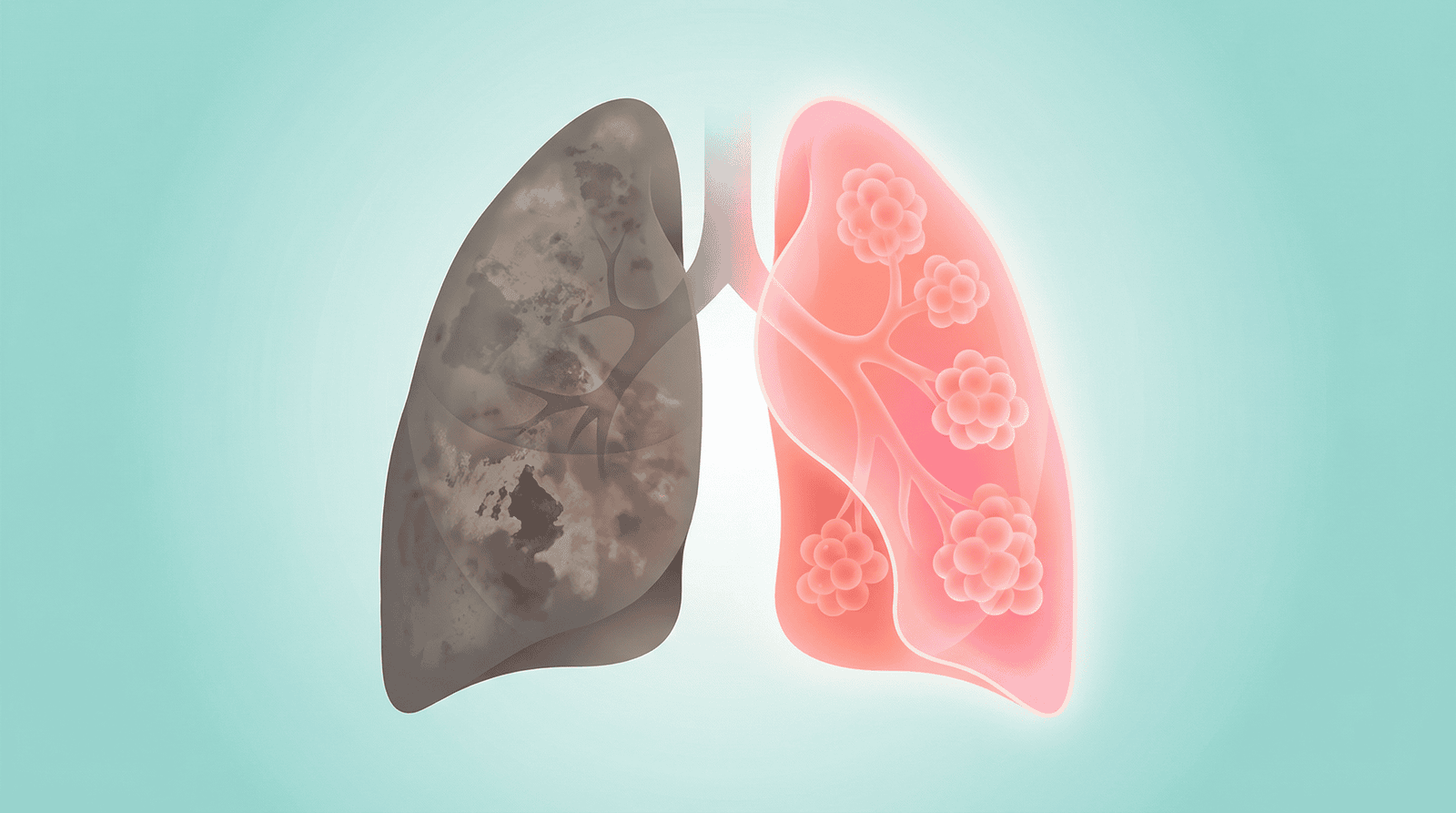
Your lungs begin healing the moment you stop smoking. Cilia regrow, mucus clears, and inflammation subsides. But exercise actively accelerates this timeline by forcing your respiratory system to work harder and adapt.
When you perform aerobic exercise, your breathing rate increases and your lungs must expand more fully to meet oxygen demand. Over time, this improves your forced vital capacity (FVC), the total volume of air your lungs can hold, and your FEV1, the amount you can forcefully exhale in one second. Both of these metrics decline in smokers and recover faster in ex-smokers who exercise regularly.
Cardiovascular exercise also strengthens the diaphragm and the intercostal muscles between your ribs, making each breath more efficient. Research published in the European Respiratory Journal found that ex-smokers who engaged in regular moderate exercise showed significantly greater improvements in pulmonary function over 12 months compared to sedentary ex-smokers.
The feeling is tangible. Former smokers who start exercising often describe a "breakthrough" moment, usually around weeks three to six, where they suddenly realize they can climb stairs or jog a short distance without gasping. That moment is powerful evidence that your body is healing, and it reinforces the decision to stay smoke-free.
What Types of Exercise Work Best for Ex-Smokers?
The honest answer: the best exercise is the one you will actually do. But research does point to certain modalities being especially useful during the quitting process.
Brisk Walking
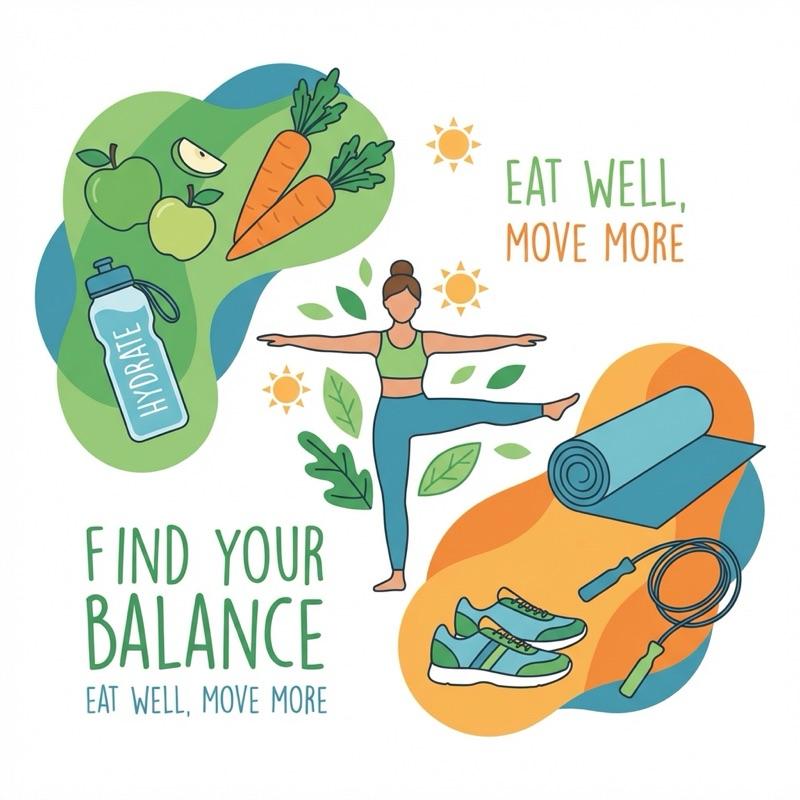
This is the most studied and most accessible option. Walking at a pace that makes conversation slightly difficult (roughly 5 to 6 km/h) is enough to trigger craving reduction, improve cardiovascular fitness, and boost mood. It requires no equipment, no gym, and no baseline fitness. Start here if you have been sedentary.
Swimming
Swimming is particularly good for ex-smokers because it trains controlled breathing patterns. The rhythmic inhale-exhale cycle of lap swimming strengthens respiratory muscles and improves lung elasticity. It is also low-impact, which makes it accessible for people with joint issues or higher body weight.
Strength Training
Resistance exercise, whether bodyweight, free weights, or machines, is underrated in cessation programs. Building muscle increases your resting metabolic rate, which directly counteracts the metabolic slowdown that causes post-quit weight gain. Strength training also delivers a potent dopamine hit and builds visible physical changes (muscle tone, posture) that reinforce a new, healthier identity.
Yoga and Stretching
Yoga combines controlled breathing with physical movement and mindfulness, three elements that independently reduce withdrawal symptoms. A study from the University of Rhode Island found that yoga practitioners had lower perceived stress and fewer cravings during a quit attempt compared to a wellness education control group. The breathwork component is especially relevant: it teaches you to notice and regulate your breathing, a skill that transfers directly to managing moments of craving or anxiety.
How Does Exercise Prevent Post-Quit Weight Gain?
Weight gain after quitting is one of the most common concerns, and one of the most common reasons people relapse. On average, people gain 4 to 5 kilograms in the first year after quitting. This happens for two reasons: nicotine artificially suppressed appetite and raised metabolic rate by roughly 7 to 15%, and quitting removes both effects simultaneously.
Exercise addresses both mechanisms. Aerobic activity burns calories directly and temporarily suppresses appetite hormones like ghrelin. Strength training builds lean muscle, which raises your basal metabolic rate so you burn more calories even at rest. A clinical trial published in the journal Addiction found that women who combined a quit attempt with a structured exercise program gained significantly less weight at 12 months than those who quit without exercising.
The key is consistency rather than intensity. Thirty minutes of moderate activity on most days of the week is more effective for weight management than occasional intense sessions followed by days of inactivity.
What Does a Realistic Exercise Plan Look Like After Quitting?
If you have been smoking for years, your cardiovascular fitness is likely below average. Jumping into an intense program will leave you sore, discouraged, and possibly injured. The goal is progressive, sustainable buildup.
Weeks 1 to 2: Foundation
Walk for 15 to 20 minutes daily at a comfortable pace. If you feel winded, slow down. The goal is not performance; it is habit formation. Walk at the same time each day, ideally in the morning, to anchor the routine and capitalize on the cortisol-regulating benefits of morning sunlight.
Weeks 3 to 4: Building
Increase walks to 25 to 30 minutes. Add two sessions of light bodyweight exercises per week: squats, push-ups (on knees if needed), planks, and lunges. Aim for 2 to 3 sets of 8 to 12 repetitions. You will likely notice your breathing becoming easier during this phase.
Weeks 5 to 8: Expanding
Introduce intervals into your walks: alternate one minute of brisk walking with one minute at a normal pace. Add a third strength session. Consider trying a new activity: a beginner yoga class, a swim, or a bike ride. Variety keeps motivation high and challenges your body in new ways.
Month 3 and Beyond: Ownership
By now, you have built a genuine fitness base. Your lung capacity has noticeably improved, your weight is stable, and exercise feels like a natural part of your day rather than a chore. Set a goal that excites you: a 5K walk/run, a hiking trail, a certain number of push-ups, or simply maintaining the routine you have built. The identity shift from "smoker trying to quit" to "person who exercises" is one of the most powerful protections against relapse.
How Can You Track Your Fitness Progress Alongside Your Quit?
Seeing your improvements mapped over time turns abstract healing into concrete proof. Use Smoke Tracker to log your smoke-free days, cravings, and mood, then pair it with any basic fitness tracker or even a simple notebook. Compare your week-one data to your week-six data: fewer cravings, better mood scores, longer walks, and easier breathing. The correlation between smoke-free days and fitness gains becomes undeniable.
Many users find that tracking both quitting and exercise together creates a positive feedback loop. A strong workout reinforces the desire to stay smoke-free, and another smoke-free day makes the next workout feel easier. Each metric fuels the other.
Your lungs are already healing. Give them a reason to work harder. Lace up your shoes and start with five minutes today.
Sources
- Cochrane Database of Systematic Reviews. "Exercise interventions for smoking cessation." cochranelibrary.com
- National Cancer Institute. "Physical Activity and Smoking Cessation." cancer.gov
- Smokefree.gov. "Fight Cravings with Exercise." smokefree.gov
- Centers for Disease Control and Prevention. "Benefits of Quitting Smoking Over Time." cdc.gov
This article is for informational purposes only and does not constitute medical advice. Health information is based on published research from organizations such as the CDC, WHO, and American Lung Association. Always consult a healthcare professional for personalized guidance on smoking cessation.