You expected the cravings. You braced for the irritability. Nobody told you that on day four you would feel like someone unplugged you. Not sleepy exactly, but heavy, flat, and hollowed out, the kind of tired where climbing the stairs feels like a decision. You are sleeping the same hours, you are not sick, and yet you are running on a quarter tank. The cruelest part is the timing: the fatigue arrives at exactly the moment a cigarette would, for a few minutes, fix it. This is one of the most underrated and most relapse-driving symptoms of quitting, and almost nobody is warned about it. Here is precisely why your energy collapses when you stop smoking, how long it lasts, the caffeine mistake that deepens the crash, and what genuinely brings your energy back.
Why Does Quitting Smoking Make You So Tired?
The fatigue is not one problem. It is four separate things happening in the same week, which is why it feels so total.
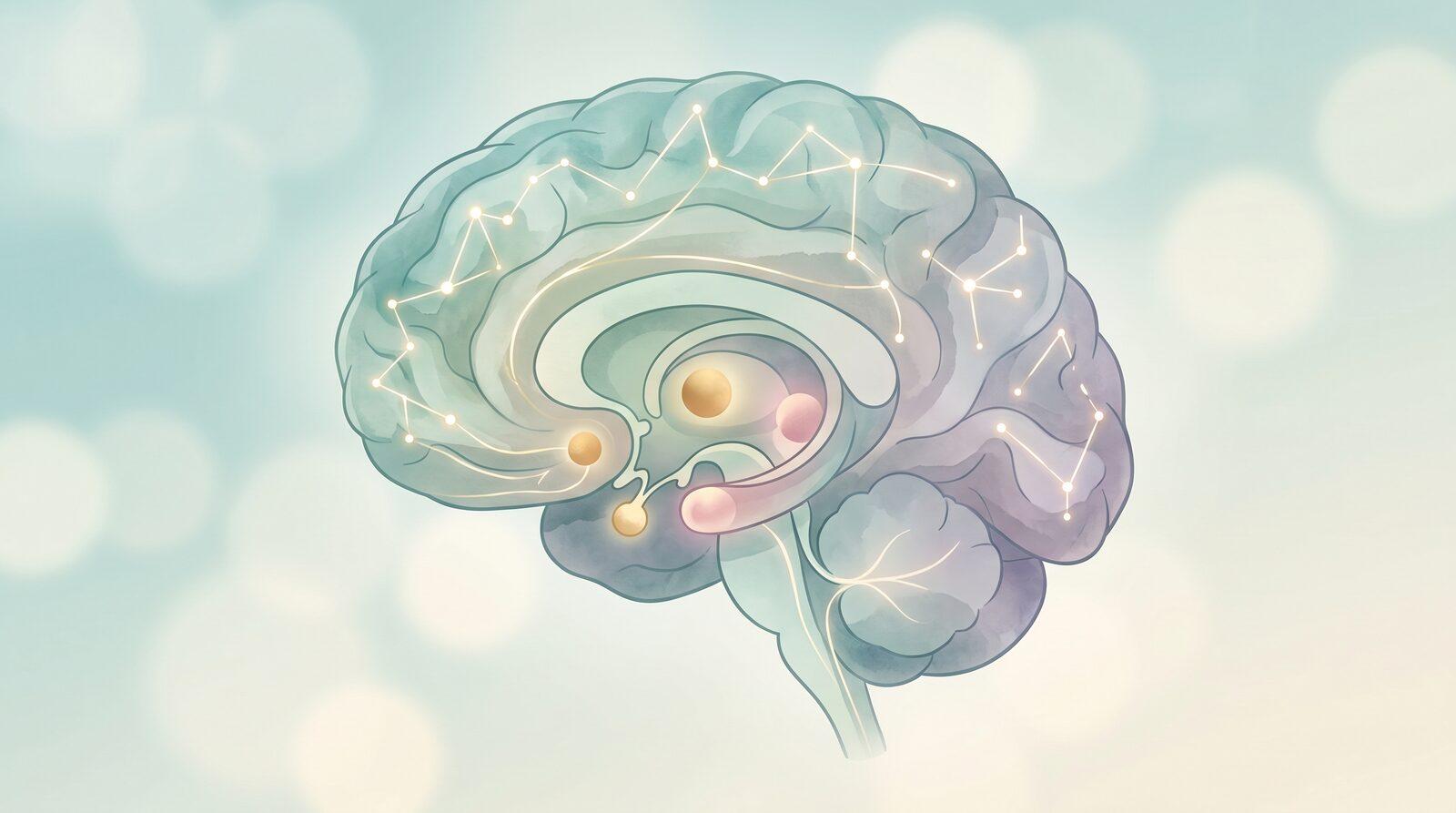
The first and largest is the loss of a stimulant you used dozens of times a day. Nicotine is a psychostimulant. It triggers the release of dopamine, but also adrenaline, noradrenaline, and acetylcholine, the neurotransmitters that drive alertness, focus, and arousal. A pack-a-day smoker was dosing a fast-acting stimulant fifteen to twenty times a day for years. The nervous system stopped maintaining its own baseline arousal at full strength because nicotine was doing part of that job on demand. When the nicotine disappears, the body has to relearn how to generate its own alertness without chemical prompting, and during that relearning period the default state is under-stimulated. You are not broken. You are running an engine that got used to a turbocharger and just had it removed.
The second is sleep disruption. Withdrawal fragments sleep badly in the first one to two weeks. People fall asleep slower, wake more often, and get less deep, restorative slow-wave sleep, partly from the loss of nicotine's effect on sleep architecture and partly from the anxiety and restlessness of early withdrawal. You may be in bed for eight hours and getting the recovery value of five. Daytime fatigue is the direct, predictable consequence. Our piece on how quitting smoking transforms sleep quality covers why this is temporary and why sleep ends up dramatically better on the other side.
The third is the dopamine deficit. Smoking artificially inflated dopamine signaling, and the brain compensated by down-regulating its own dopamine system. When the artificial source is removed, there is a real, measurable trough before the system rebuilds. Low dopamine does not only show up as low mood and anhedonia. It shows up as low drive, low motivation, and a pervasive sense that everything requires more effort than it should. That subjective "I have no energy to do anything" feeling is partly a literal dopamine state, not laziness. The full mechanism is mapped in our guide to brain recovery after quitting.
The fourth is the caffeine reversal, which most people get backwards. We will come back to this one in detail because it is the single most fixable contributor and almost nobody is told about it.
Layered under all four is the metabolic and oxygen recalibration. Nicotine mildly raises resting metabolic rate and heart rate; without it, the body settles into a lower-energy idle for a while. Counterintuitively, even though your blood is carrying more oxygen within a day of quitting (carbon monoxide clears fast), the systems that use that oxygen for sustained energy take longer to retune. More fuel in the tank, an engine still adjusting the mixture.
The Fatigue Timeline After Quitting
Individual variation is large, but the shape is consistent across withdrawal research.
Hours 4 to 24. Nicotine clears. The first thing most people notice is restlessness and craving, not fatigue. Some feel a vague flatness building.
Days 1 to 3. Onset. The stimulant gap becomes obvious. Energy drops, concentration slips, and the day starts to feel longer than it is. Sleep is usually already disrupted by night two, so a sleep-debt component begins stacking on top.
Days 3 to 7. Peak. This is the worst window. The stimulant withdrawal, the dopamine trough, and accumulated sleep debt are all maximal at the same time, which is why day four or five often feels like the heaviest. This is also peak craving and peak irritability, so the fatigue does not arrive alone, it arrives in the middle of the hardest part of the whole process. Many people misread this convergence as proof they "need" cigarettes to function. They do not. They are at the bottom of a curve that has already started to turn.
Weeks 2 to 4. Decline. Sleep architecture starts normalizing, which removes the largest single contributor. Daytime energy becomes intermittent rather than constant, with good hours appearing between the flat ones. The dopamine system is measurably recovering through this window.
Weeks 4 to 12. Resolution and overshoot. For most former smokers, energy returns to baseline and then keeps climbing past it. Lung capacity, circulation, and sleep depth are all genuinely better than they were while smoking, so the steady-state energy on the far side is typically higher than the smoking-era "normal" you are comparing it to.
Beyond 12 weeks. Persistent, unexplained fatigue more than three months out is no longer withdrawal and deserves evaluation, for reasons covered in the red-flag section below.
The crucial takeaway from the timeline is that the fatigue is front-loaded for the same reason the headache and cravings are: the change in nicotine level is largest in the first week, so the recalibration is hardest there and then eases.
The Caffeine Trap That Deepens the Crash
This is the part almost nobody is warned about, and it is the highest-leverage fix available.
Tobacco smoke induces a liver enzyme called CYP1A2, the main enzyme that clears caffeine. In smokers it runs roughly 50 to 70 percent faster, so smokers metabolize caffeine about twice as quickly and tend to drink more coffee to compensate. When you quit, that enzyme induction fades over one to two weeks and caffeine starts lingering at roughly double its old levels.
Here is why that matters for fatigue specifically. People feeling exhausted in withdrawal do the obvious thing: they drink more coffee. But with a doubled caffeine half-life, that afternoon coffee is now still meaningfully in the bloodstream at midnight, which wrecks the depth and timing of sleep. Worse sleep produces worse next-day fatigue, which produces more coffee, which produces worse sleep. It is a self-reinforcing spiral, and the cigarette gets blamed for what the coffee is now doing. The intuitive response to the tiredness is the exact thing prolonging it. The full pharmacology and the dosing fix are in our dedicated piece on caffeine after quitting smoking; the short version is to cut caffeine intake by roughly half for the first two weeks and stop it by early afternoon.
What Actually Restores Your Energy
The withdrawal fatigue is self-limiting, so the goal is to support the recalibration and remove the things making it worse, not to force alertness.
Protect sleep above everything else. Sleep debt is the largest single multiplier of withdrawal fatigue, and it is the most controllable. A consistent wake time, a dark cool room, no screens for the last 30 minutes, and no caffeine after early afternoon will measurably improve sleep depth within days, which improves daytime energy more than any stimulant can.
Cut caffeine in half, do not add more. For the reason above, this is counterintuitive and it is the single highest-impact change in the first two weeks. Keep the morning ritual, shrink the dose, stop by noon.
Move, even when you do not want to. A 10 to 20 minute walk produces more durable energy in this state than caffeine, and exercise independently accelerates dopamine system recovery and improves sleep. The trap is waiting to "feel up to it." The energy follows the movement, it does not precede it. Our guide to exercise and quitting explains why physical activity is one of the most reliable dopamine and mood levers in the early weeks.
Eat for stable blood sugar. Early quitting disrupts appetite and many people under-eat or swing to sugar, both of which produce energy crashes that get misattributed to withdrawal. Protein and fiber at regular intervals flattens the curve. Hydration matters more than it sounds: mild dehydration alone produces exactly this kind of flat fatigue.
Lower the bar deliberately for one to two weeks. Treat the peak window like recovery from a minor illness. Front-load nothing optional. The fatigue is temporary and the calendar is not a test you fail by resting through the worst of it.
Use light strategically. Bright light, especially daylight in the first hour after waking, is one of the strongest natural alertness signals there is and it also helps re-anchor the disrupted sleep cycle. A morning walk does both jobs at once.
Do not use a cigarette to fix it. A single cigarette will reliably lift the fatigue for a few minutes because it re-doses the stimulant your system was built around. That brief relief is the entire trap. It resets the clock and you repeat the whole curve from the start. If the fatigue is severe, properly dosed nicotine replacement therapy under guidance flattens the curve rather than restarting it.
When Fatigue Is Not Withdrawal
Withdrawal fatigue has a recognizable signature: it begins in the first few days, peaks around days 3 to 7 alongside cravings and irritability, eases steadily from week two, and is largely gone by the end of the first month or two. Fatigue that falls outside that pattern deserves attention rather than being filed under "just quitting."
Talk to a clinician if:
- The exhaustion is severe, worsening, or still significant beyond eight to twelve weeks with no upward trend.
- It comes with low mood, loss of interest, hopelessness, or thoughts of self-harm. Quitting can unmask or worsen depression in vulnerable people, and persistent fatigue is one of its core symptoms. This is treatable and worth raising early, not pushing through.
- There are signs pointing elsewhere: breathlessness out of proportion to exertion, chest pain, very heavy or loud snoring with daytime sleepiness (smoking cessation can unmask sleep apnea), unexplained weight change, or pallor and dizziness suggesting anemia or a thyroid issue.
- You take a chronically dosed medication. Quitting smoking raises blood levels of several drugs metabolized by CYP1A2, and resulting side effects can present as fatigue. Tell your prescriber you have quit; the conversation takes 30 seconds.
None of these are typical of ordinary withdrawal fatigue, which is overwhelmingly the explanation in the first weeks. The point of knowing them is not to make you anxious but so the rare exception is caught rather than dismissed.
How Can Smoke Tracker Help You Through the Energy Crash?
The fatigue is one of the symptoms most likely to drive a quiet, undramatic relapse around day four, not from a craving spike but from "I just cannot function like this." The tracker is built to keep the trade visible while the worst window passes.
- Streak Counter: Days 3 to 7, when energy is at its lowest, are exactly when the streak number does the most work. Watching it hold through the flattest physiological window reframes the tiredness as the cost being paid down, not a reason to stop.
- Health Timeline: Seeing that oxygen has already normalized and circulation is improving while you still feel drained reframes the fatigue as the lag between repair and how repair feels, not as something going wrong.
- Craving Log: Note the time of day and your last caffeine dose with each entry. The pattern of "craving" entries clustering around afternoon energy slumps and late coffee becomes obvious within a week, and the fix follows from the pattern.
- Money Saved: Redirect part of the first weeks' savings into the things that actually move energy here: better sleep conditions and a couple of genuinely good days of rest, both of which pay back in days.
For the moments when the fatigue, the irritability, and a craving converge and a cigarette starts to look like the obvious fix, slow paced breathing can shift the autonomic system out of the depleted, dysregulated state in about 90 seconds. We built Flow Breath for exactly that kind of short, situational regulation, and it pairs particularly well with the first two weeks of quitting, when the energy crash, the cravings, and the stress response are all bottoming out on the same schedule.
The tiredness in the first weeks is not a sign that smoking was holding you together or that quitting is harming you. It is the sound of a nervous system that spent years borrowing alertness from a stimulant finally being made to generate its own again, plus a temporary sleep debt sitting on top. It is heavy because the change is real, and it is brief because the change is mostly front-loaded.
The fatigue is the recalibration, not the damage. It bottoms out early, it lifts within weeks, and the energy on the other side is higher than the one you are comparing it to. Keep going.
Sources
- U.S. Department of Health and Human Services. (2020). "Smoking Cessation: A Report of the Surgeon General." ncbi.nlm.nih.gov
- Hughes, J. R. (2007). "Effects of abstinence from tobacco: valid symptoms and time course." Nicotine & Tobacco Research. pubmed.ncbi.nlm.nih.gov
- Benowitz, N. L. (2010). "Nicotine addiction." New England Journal of Medicine. pubmed.ncbi.nlm.nih.gov
- Jaehne, A., et al. (2009). "Effects of nicotine on sleep during consumption, withdrawal and replacement therapy." Sleep Medicine Reviews. pubmed.ncbi.nlm.nih.gov
- Rademacher, L., et al. (2016). "Effects of Smoking Cessation on Presynaptic Dopamine Function of Addicted Male Smokers." Biological Psychiatry. pubmed.ncbi.nlm.nih.gov
- Faber, M. S. and Fuhr, U. (2004). "Time response of cytochrome P450 1A2 activity on cessation of heavy smoking." Clinical Pharmacology and Therapeutics. pubmed.ncbi.nlm.nih.gov
- NHS. "Stop smoking treatments and withdrawal symptoms." nhs.uk
- National Cancer Institute (smokefree.gov). "Managing Withdrawal." smokefree.gov
This article is for informational purposes only and does not constitute medical advice. Health information is based on published research from organizations such as the CDC, WHO, and American Lung Association. Always consult a healthcare professional for personalized guidance on smoking cessation.