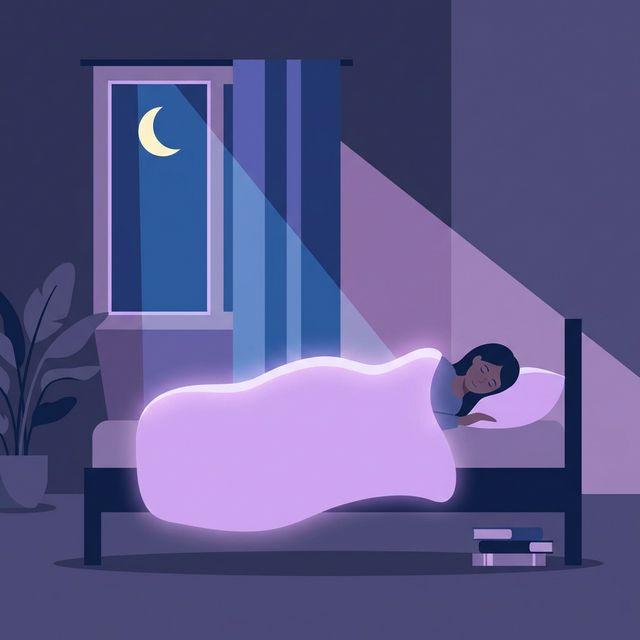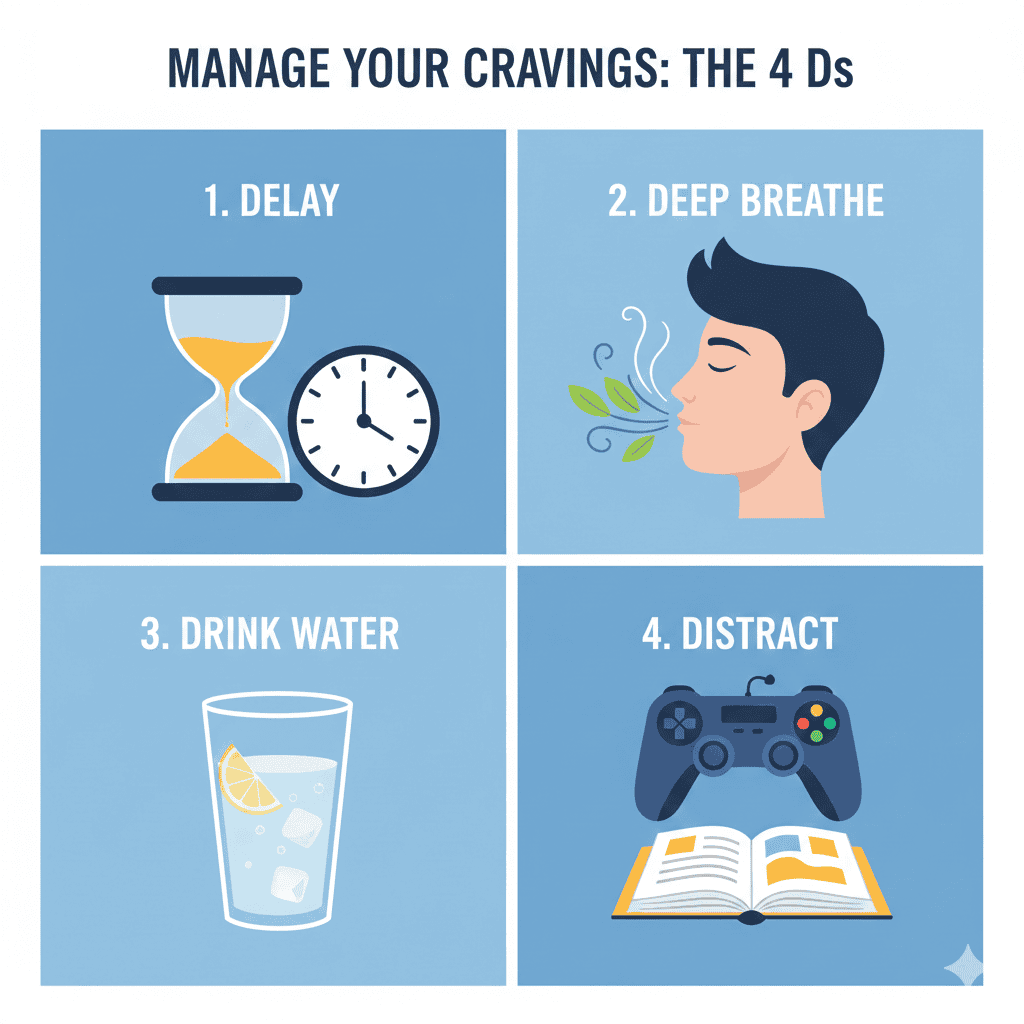
Saat sabahın 4'ünde kalbiniz küt küt atarak uyanıyorsunuz. Rüyada sigara içtiniz. Koca bir sigarayı yavaşça, bilerek içtiniz ve ne yaptığınızı tam olarak biliyordunuz. Birkaç panik dolu saniye boyunca bunun gerçek olup olmadığını hatırlayamıyorsunuz. Sonra beyniniz toparlanıyor. Paket cebinizde değil. Ağzınızda bir tat yok. Hâlâ 17. gündesiniz, 60. gündesiniz, 200. gündesiniz, sayınız neyse o. Rahatlama muazzam, soru da öyle: beynim bunu bana neden yaptı? Sigara rüyaları, bırakmanın en tuhaf, en yaygın ve en az konuşulan parçalarından biridir. Sezgilerin tersine, aynı zamanda işlerin yolunda gittiğinin de bir işaretidir. İşte uyuyan beyninizin içinde olup bitenler ve neden bu rüyaların göründükleri şey olmadığı.
Sigara Rüyası Nedir ve Ne Kadar Yaygındır?
Sigara rüyası, bazen nikotin rüyası ya da bırakma rüyası da denir, sigara içtiğiniz, elinizde sigara tuttuğunuz, sigara bulduğunuz, size sigara teklif edildiği ya da harekete geçmeden yoğun istek hissettiğiniz canlı bir rüyadır. Bu rüyalar genellikle gördüğünüz çoğu rüyadan daha canlı, duygusal olarak daha yüklü ve daha akılda kalıcıdır. İnsanlar bunları haftalarca ayrıntısıyla hatırlar ki bu da başlı başına alışılmadık bir durumdur.
Olağanüstü yaygındırlar. Eski içiciler üzerine yapılan çalışmalar, çoğunluğun bıraktıktan sonraki ilk aylarda sigara rüyaları gördüğünü bildiriyor ve bazı araştırmalar bu oranı uzun süredir bırakanların yüzde 90'ı kadar yüksek gösteriyor. O kadar yaygındırlar ki sigarayla ilişkili rüyalar, klinik literatürde nikotin yoksunluğunun normal bir özelliği olarak tanınır ve bazen tütün kullanım bozukluğuna ilişkin DSM tanı tartışmalarında karşımıza çıkar.
Hiç görmediyseniz, o da normaldir. Kimi insanlar rüyalarını iyi hatırlamaz ya da REM uyku örüntüleri daha az rüya hatırlama olayı üretir. Sigara rüyalarının yokluğu, onları her gece gören birinden daha iyi ya da daha kötü gittiğiniz anlamına gelmez.
Beyninizde Gerçekte Ne Oluyor?
Sigara rüyalarının bilimi, birbiriyle örtüşen iki sürece dayanır: REM geri sıçraması ve duygusal bellek pekiştirme.
Asıl itici güç REM geri sıçramasıdır. Nikotin bir uyarıcıdır ve kronik sigara içmek, gece boyunca dalgalar halinde gerçekleşen, rüya yoğunluklu evre olan REM uykusunu baskılar. Bıraktığınızda beyin, yıllarca baskılanmış REM'i telafi etmek için onu yeniden, çoğu zaman çarpıcı biçimde, ilk haftalarda yükseltir. Daha fazla REM süresi, daha çok rüya, daha uzun rüyalar ve duygusal olarak daha canlı rüyalar demektir. Bu, insanlar içkiyi bıraktığında, SSRI kullanmayı bıraktığında ya da uyku yoksunluğundan toparlandığında yoğun rüyalar üreten aynı olgudur. Bıraktıktan sonra uyku mimarinizde neler olduğuna daha kapsamlı bir bakış için sigarayı bırakmanın uyku kalitesini nasıl dönüştürdüğü yazımıza göz atın.
İkinci etken bellek pekiştirmedir. REM uykusu, beynin duygusal anıları işlediği, hangi deneyimlerin arşivleneceğini ve hangilerinin erişilebilir kalacağını ayırdığı evredir. Sigarayı bırakmak, çoğu insanın belli bir yıl içinde geçirdiği duygusal olarak en yüklü olaylardan biridir. Yıllar süren koşullanma, binlerce kez tekrarlanan sigara davranışı, bir başa çıkma mekanizmasının kaybı ve sigara içmeyen biri olmanın yeni kimliği, hepsinin işlenmesi gerekir. Uyuyan beyniniz bu işlemeyi rüya biçiminde yapar ve içerik sigarayı içerdiği için rüyalar da sigarayı içerir. Yeni ebeveynlerin bebek rüyası, yeni sürücülerin araba rüyası görmesinin nedeni de aynıdır.
Dopamin yeniden ayarı yoğunluk katar. Nikotinin ele geçirmiş olduğu ödül devreleri, bırakmanın ilk haftalarında gerçek zamanlı olarak yeniden ayarlanıyor. Bu, rüyalara duygusal yükünü veren sistem olan limbik sistemi etkiler. Sonuç, içerik sıradan olsa bile alışılmadık biçimde anlamlı, acil ya da suçluluk dolu gibi gelen rüyalardır.
En Yaygın Sigara Rüyası Örüntüleri Nelerdir?
Bırakma rüyaları birkaç tanınabilir temada toplanır ve kendinizinkini tanımak, onların acısını biraz hafifletebilir.
«Bırakmayı bozdum» rüyası. Klasik olan. Bir sigara içersiniz, bazen bilerek bazen kazara, ve rüyadaki duygu ağır bir suçluluk ya da paniktir. Gerçekten nüks ettiğinize inanarak uyanırsınız, sonra etmediğinizi fark edersiniz. Bu, bırakma topluluklarında en çok bildirilen örüntüdür ve uyanırken en güçlü duygusal sıçramayı üretendir.
«Sigara bulamıyorum» rüyası. Her yerde ararsınız, eski ceket ceplerinde, çekmecelerde, stokta hiç olmayan bir dükkânda. Rüya can sıkıcıdır ama aslında sigara içmezsiniz. Çoğu zaman bu, beynin kullanma ritüelini değil, arama ritüelini işlemesine denk gelir.
«Biri bana bir tane teklif ediyor» rüyası. Bir arkadaş, bir yabancı, eskiden birlikte içtiğiniz biri size bir sigara uzatır ve seçim yapmak zorunda kalırsınız. Bazen alırsınız, bazen reddedersiniz. Bu rüyalar çoğu zaman ikinci ya da üçüncü ayda ortaya çıkar; beyin fiziksel isteği değil, sosyal tetikleyici anılarını işlerken.
«Sigara içmek ve şaşırmamak» rüyası. Rüyada gelişigüzel sigara içersiniz ve bu yanlış hissettirmez. Bunlar insanların en çok kafasını karıştıran rüyalardır çünkü rüyadaki benlik, uyanana kadar suçluluk duymaz. Genellikle daha geç ortaya çıkar, çoğu zaman aylar sonra, sigara içmek baskın duygusal tema olmaktan çıkıp bir bellek eşyasına dönüştüğünde.
Canlı nüks-sonra-toparlanma rüyası. Sigara içersiniz, berbat hissedersiniz ve hepsi rüyanın içinde yeniden bırakmaya karar verirsiniz. Bu, beynin nüks-toparlanma döngüsünü güvenli bir alanda prova etmesidir ve aslında uzun vadeli sigarasızlığı güçlendirdiğine dair bazı kanıtlar vardır.
Sigara Rüyaları Ne Zaman Başlar ve Ne Kadar Sürer?
Zamanlama oldukça öngörülebilirdir.
1 ila 3. günler: Akut nikotin yoksunluğu uykuyu bozduğu için rüyalar genellikle hâlâ baskılanmıştır. Çoğu insan en ilk gecelerde kötü uyur ve daha az rüya görür.
4 ila 14. günler: REM geri sıçraması devreye girer. Sigara rüyaları genellikle bu sırada başlar ve çoğu zaman ikinci haftada yoğunlukları zirveye çıkar. Birçok insan bu dönemde haftada birden fazla sigara rüyası gördüğünü bildirir.
3 ila 8. haftalar: Sıklık yavaş yavaş düşer. Rüyalar canlı kalır ama duygusal olarak daha az panik dolu olur.
3 ila 6. aylar: Rüyalar çoğu eski içicide seyrekleşir, çoğu zaman yalnızca stresli olaylardan ya da sosyal tetikleyicilerden sonra ortaya çıkar.
6 ayın ötesi: Rüyalar nadirleşir ama özellikle stres, hastalık, alkol kullanımı dönemlerinde ya da bir şey size sigara içtiğiniz günleri güçlü biçimde hatırlattığında süresiz olarak yeniden ortaya çıkabilir. Onlarca yıl önce bırakmış insanlar bile ara sıra canlı sigara rüyaları gördüğünü bildiriyor. Bu normaldir.
Gidişat tam olarak doğrusal değildir. Birçok insan haftalarca rüyasız bir dönem geçirip ardından arka arkaya üç dört rüyadan oluşan ani bir küme yaşar. Beyin toplu işleme yapıyordur ve bu kümeyi neyin tetiklediği her zaman belirlenebilir değildir.
Sigara Rüyaları Nüksün Uyarı İşareti midir?
Bu, neredeyse her bırakanın sorduğu sorudur ve yanıt gerçekten rahatlatıcıdır.
Hayır. Aslında çoğu zaman bunun tersi doğrudur. Birçok çalışma, sigara rüyaları gördüğünü bildiren eski içicilerin uzun vadeli sigarasızlığı sürdürme olasılığının, görmeyenlere göre en az aynı oranda, hatta bazı araştırmalarda daha yüksek olduğunu bulmuştur. Rüyalar, bağımlılığın yeniden kendini dayatmasının değil, beynin değişimi etkin biçimde işlediğinin bir işareti gibi görünüyor.
Mekanizma mantıklıdır. Beyin, sigara içmenin gerçekleştiği senaryoları prova ediyor, ardından duygusal yanıtı (genellikle suçluluk ve rahatlama) belleğe kaydediyor. Her rüya, küçük bir bilişsel-davranışçı maruz bırakma seansı gibi işlev görür, tek farkı uyuyan beyninizin bu işi ücretsiz yapmasıdır. Rüyalarda «sigara içmek» ile «olumsuz duygu»nun tekrar tekrar eşleştirilmesi, beynin sigarasız kalma yönündeki mevcut motivasyonunu güçlendirir.
Belirtmeye değer istisna: sürekli olarak olumlu duyguyla, suçluluk olmadan, panik olmadan, yalnızca keyifle sigara içmeyi konu alan rüyalar, ara sıra bırakmanın duygusal olarak kırılganlaştığına işaret edebilir. Eğer bu rüyalar gündüz yaşanan kararsızlık ya da sigara içmeye dair nostaljik düşüncelerle bir arada görülüyorsa, nüks kaçınılmaz olduğu için değil, temel kaydığı için biraz etkin bakım çalışması yapmakta yarar var. Nikotin isteklerini yönetme rehberimiz tam bu durum için taktik müdahaleleri kapsıyor.
Bir Sigara Rüyasından Sonra Ne Yapmalısınız?
Rüya rüyadır. Önemli olan, uyandıktan sonraki 30 dakikadır çünkü rüyanın uzun süreli belleğe yerleştiği an odur.
30 saniye yatakta kalın ve rahatlamayı hissedin. O içten gelen «oh çok şükür, rüyaymış» hissi, bırakma kararınızın alacağınız en güçlü doğal pekiştirmelerinden biridir. Yerine otursun. Hemen telefonunuzu kontrol etmeye ya da gününüze başlamaya atlamayın. Beyin, rahatlamayı rüya içeriğiyle birlikte kodlar; bu da sigara içmek ile kötü sonuçlar arasındaki ilişkiyi güçlendirir.
Tarihi not edin. Tek satırlık bile olsa basit bir günlük kaydı, gidişatı görmenize yardımcı olur. Çoğu insan geriye baktığında, rüyaların o sırada hissettiklerinden daha hızlı seyreldiğine şaşırır.
İçeriği felaketleştirmeyin. Rüya bir kehanet ya da ahlaki bir başarısızlık değildir. İçerik, yalnızca beynin elinde çalışacak şey olarak bulduğu şeydir.
Tetikleyicileri kontrol edin. Bir önceki gece alkol aldınız mı? İşte büyük bir stres mi yaşadınız? Eskiden birlikte sigara içtiğiniz bir arkadaşa mı denk geldiniz? Bazı sıçramaların belirlenebilir nedenleri vardır ve örüntüyü fark etmek, gelecekteki rüyaları öngörmenizi (ve onlara hazırlanmanızı) sağlar.
Anı yeniden bağlanma için kullanın. Boş bir odaya bile olsa yüksek sesle «Ben hâlâ sigara içmeyen biriyim, o bir rüyaydı» demek, tam da uyuyan beyninizin onu sınadığı anda yeni kimliği sabitleyen küçük bir ritüeldir.
Bu Rüyalar Yıllar Sonra Neden Geri Gelir?
Bu, kimsenin uzun süredir bırakanları uyarmadığı kısımdır. Beş, on, hatta yirmi yıl sigarasız olabilirsiniz ve birdenbire canlı bir bırakma rüyası görürsünüz. O kadar yaygındır ki eski içici forumlarında bu konuda onlarca yıllık başlıklar vardır.
Olası açıklama şudur: çoğu eski içici için sigara içmek yalnızca kimyasal bir alışkanlık değil, derinlemesine kodlanmış bir duygusal örüntüydü. Beyin bu örüntüleri uzun süreli belleğe kalıcı olarak kaydeder. Stres, uyku değişiklikleri, alkol, hastalık, büyük yaşam geçişleri ya da rastgele geri çağırma ipuçları, örüntüyü yeniden yüzeye çıkarabilir ve rüya gören beyniniz onu bildiği tek şekilde işler. Bu daha geç evrelerdeki rüyalar genellikle tek seferliktir ve nüksü öngörmez. Yalnızca beynin eski bir dosyanın tozunu almasıdır.
Uzun süredir bırakanlar çoğu zaman, onlarca yıl sonra bile uyanırken hissedilen rahatlamanın ilk aylardaki kadar güçlü olduğunu söyler. O rahatlama, sizin sigara içen versiyonunuzun artık hayatınızda değil, rüyalarda yer aldığının gerçek zamanlı kanıtıdır.
Smoke Tracker Bırakma Rüyalarını Anlamlandırmanıza Nasıl Yardımcı Olabilir?
Sigara rüyalarını yalıtılmış, ürkütücü olaylar değil de daha büyük bir örüntünün parçası olarak görebildiğinizde başa çıkmak daha kolaydır. Takipçi, o örüntüyü görünür bir şeye dönüştürür.
- Seri Sayacı: Bir sigara rüyasından uyanmak, serinizin en kırılgan hissettiği andır. Gerçek sayıya bakmak, üç gün, üç ay, üç yıl, sizi gerçekliğe sabitler ve rüyaya net bir biçimde kaybedeceği bir tartışma verir.
- İstek Günlüğü: Rüyayı, bir önceki günden uyanık halde yaşanan istekler ya da stres etkenleriyle birlikte not edin. Örüntüler hızla ortaya çıkar: birçok rüya alkollü geceler, çatışma ya da seyahat etrafında kümelenir ve bunu görmek bir sonrakini öngörüp önceden hazırlanmanızı sağlar.
- Sağlık Zaman Çizelgesi: Canlı bir bırakma rüyası REM geri sıçramasının bir göstergesidir; bu da kendi başına toparlanan beyin kimyasının bir göstergesidir. Rüyanızı iyileşme zaman çizelgesinde bulunduğunuz yerle eşleştirmek, onu bir alarmdan bir kilometre taşına dönüştürür.
- Biriken Para: Rüya sizi sabahın 4'ünde uyandırdığında, devam eden toplama bakın. O sayı, rahatlamanın yaptığı duygusal işin bir kısmını yapar ve birbirlerini pekiştirirler.
Bir sigara rüyası eski benliğinizin geri dönmeye çalışması değildir. Yeni benliğinizin eskisini uzun süreli belleğe yerleştirmesidir. İyileşme içeriden böyle görünür ve genellikle insanların beklediğinden daha gürültülü ve daha tuhaftır.
Rüyalar kaybolacak. Bırakma kaybolmayacak.
Kaynaklar
- Hajek, P. and Belcher, M. (1991). "Dream of absent-minded transgression: An empirical study of a cognitive withdrawal symptom." Journal of Abnormal Psychology.
- Persico, A. M. (1992). "Predictors of smoking cessation in a sample of Italian smokers." International Journal of the Addictions.
- Centers for Disease Control and Prevention. "Quit Smoking: Withdrawal Symptoms." cdc.gov
- American Psychological Association. "Sleep and Dreams." apa.org
- National Institute on Drug Abuse. "Tobacco, Nicotine, and E-Cigarettes." nida.nih.gov
- Mayo Clinic. "Nicotine Withdrawal: Symptoms and Treatment." mayoclinic.org
Bu yazı yalnızca bilgilendirme amaçlıdır ve tıbbi tavsiye niteliği taşımaz. Sağlık bilgileri; CDC, DSÖ ve American Lung Association gibi kuruluşların yayımladığı araştırmalara dayanır. Sigarayı bırakma konusunda kişiye özel rehberlik için her zaman bir sağlık uzmanına danışın.