잘 해오고 있었습니다. 며칠, 몇 주, 어쩌면 몇 달 동안 담배 없이 지냈습니다. 그런데 무언가가 일어났습니다. 스트레스를 주는 전화 한 통, 친구들과의 술자리, 잠깐의 나약한 순간. 한 대를 피웠습니다. 어쩌면 두 대. 그리고 이제 죄책감이 흡연 욕구보다 더 크게 느껴집니다.
지금 당신이 들어야 할 가장 중요한 말은 이것입니다: 한 번의 실수는 실패가 아닙니다. "원점으로 돌아간 것"이 아닙니다. 과학은 이 점을 분명히 보여주며, 담배 한 개비 이후 실제로 몸에 무슨 일이 일어나는지 이해하면 앞으로의 길이 생각보다 훨씬 짧다는 것을 알게 될 것입니다.
일시적 실수와 본격적인 재흡연의 차이는 무엇인가요?
금연을 연구하는 연구자들은 두 가지 매우 다른 사건을 명확히 구분합니다.
일시적 실수(영어로 "lapse"라고도 함)는 단발적인 사건입니다. 성공적으로 금연한 기간 이후에 담배 한 개비, 또는 짧은 기간 동안 몇 개비를 피운 것을 말합니다. **재흡연(relapse)**은 며칠이나 몇 주에 걸쳐 규칙적인 흡연으로 돌아가는 것을 의미합니다.
이 구분이 중요한 이유는 두 가지가 매우 다른 경과를 보이기 때문입니다. Nicotine & Tobacco Research 학술지에 발표된 연구에서 1,000건 이상의 금연 시도를 추적한 결과, 한 번 실수한 사람의 약 50%가 재흡연으로 이어지지 않았습니다. 그들은 스스로를 잡고, 전략을 조정하고, 금연 여정을 계속해 나갔습니다.
위험한 것은 담배 자체가 아닙니다. 흡연 후 자신에게 하는 이야기가 위험합니다. "나는 실패했으니까 계속 피워야지"라는 생각 패턴이 일시적 실수를 재흡연으로 바꿉니다. 그 생각은 틀렸으며, 다음 섹션에서 정확히 왜 그런지 보여드리겠습니다.
담배 한 개비 이후 몸에는 실제로 무슨 일이 일어나나요?
몇 주 또는 몇 달 동안 금연 상태였다면, 담배 한 개비가 회복을 되돌리지는 않습니다. 과학이 말하는 바는 다음과 같습니다.
20분 이내에 그 담배를 끝낸 후, 심박수와 혈압이 현재의 (개선된) 기준치로 돌아옵니다. 예전 흡연자 기준치가 아니라, 더 건강해진 기준치로 말입니다.
8~12시간 이내에 그 한 개비에서 나온 소량의 일산화탄소가 혈액에서 제거됩니다. 산소 수치가 다시 정상화됩니다.
폐의 섬모는 한 번의 노출로 기능을 멈추지 않습니다. 몇 주 또는 몇 달간 이루어진 재생은 그대로 유지됩니다. 깨끗하게 청소한 바닥에 진흙을 조금 묻힌 것과 같습니다. 바닥은 여전히 깨끗하고, 한번 닦아주기만 하면 됩니다.
도파민 시스템은 니코틴 자극을 인식하므로, 이후 몇 시간 동안 흡연 욕구가 더 강해질 수 있습니다. 하지만 몇 주 이상 금연했다면, 수용체 밀도가 이미 정상화되기 시작했습니다. 담배 한 개비가 그 신경학적 진전을 초기화하지는 않습니다.
핵심은 이것입니다: 몸은 담배 한 개비를 사소한 사건으로 처리하지, 재앙으로 여기지 않습니다. 진짜 위험은 심리적인 것이지 신체적인 것이 아닙니다.
실수 후 첫 24시간 동안 무엇을 해야 하나요?
실수 후 첫째 날이 가장 중요한 시간입니다. 이 시간 동안 무엇을 하느냐가 이번 일이 일회성으로 끝나느냐, 재흡연으로 이어지느냐를 크게 좌우합니다. 구체적인 행동 계획을 소개합니다.
1. 남은 담배를 버리세요
담배를 샀다면 "혹시 몰라서" 보관하지 마세요. 가지고 있는 담배 하나하나가 곧 결정의 순간이 됩니다. 즉시 없애세요: 쓰레기통에 버리든, 물에 적시든, 모르는 사람에게 주든. 선택지 자체를 없애세요.
2. 자신을 벌하지 마세요
죄책감과 수치심은 계속 흡연하게 만드는 가장 강력한 감정입니다. 이 감정들은 처음에 담배를 집게 만들었던 것과 동일한 스트레스 경로를 활성화합니다. 판단 없이 있었던 일을 인정하세요: "실수했다. 이것이 나를 정의하지 않는다. 지금 바로 다시 궤도에 오르겠다."
3. 누군가에게 말하세요
비밀은 재흡연을 부추깁니다. 친구, 파트너, 또는 지지 그룹에 무슨 일이 있었는지 말하세요. 소리 내어 말하는 것만으로도 감정적 부담이 줄어들고, 다음 24시간 동안의 책임감이 생깁니다. 전화할 사람이 없다면 적어보세요: 무슨 일이 있었는지, 무엇이 원인이었는지, 앞으로 무엇을 다르게 할 것인지.
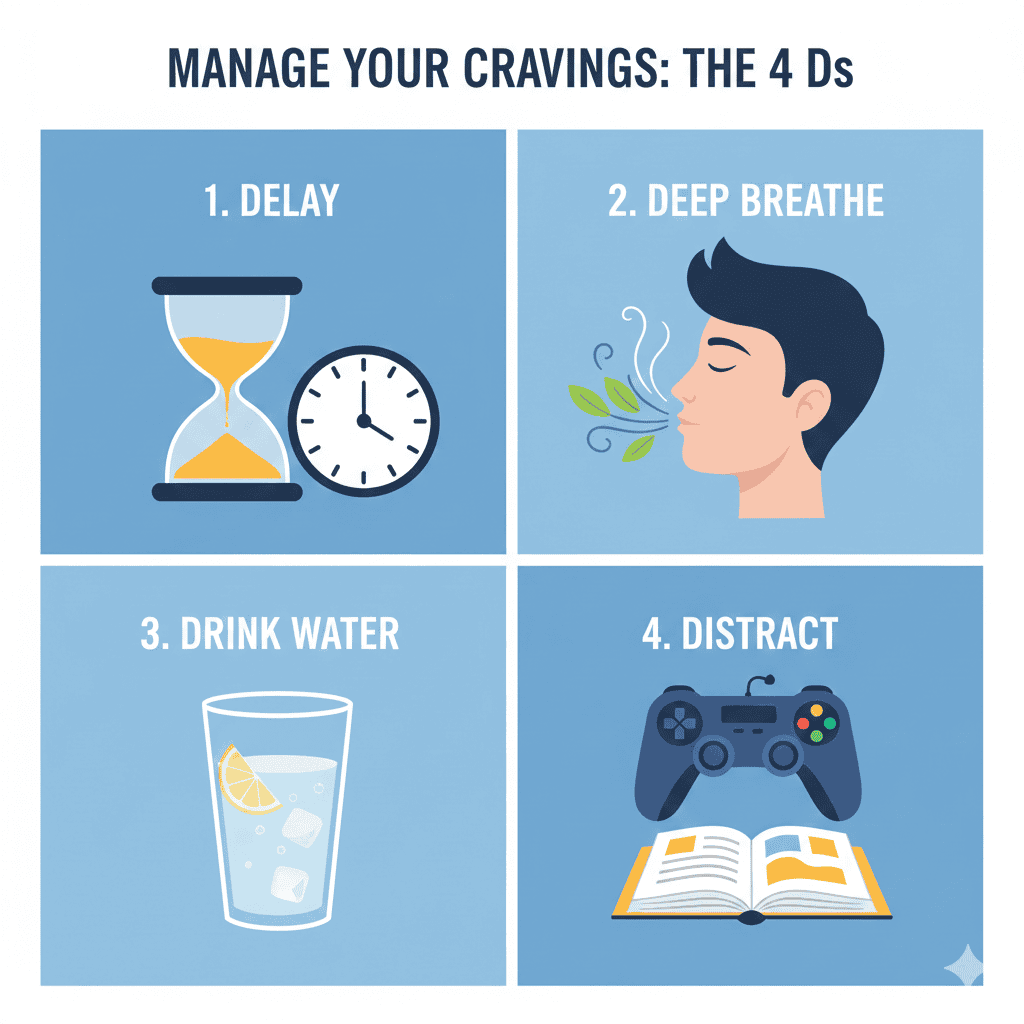
4. 흡연 욕구 대처 도구를 다시 꺼내세요
이전에 효과가 있었던 것을 다시 활용하세요: 심호흡 운동, 빠르게 걷기, 차가운 물 한 잔, 껌 씹기. 실수 후의 흡연 욕구는 초기 금연 때보다 더 강렬하지만 더 짧게 지속되는 경향이 있습니다. 뇌가 이미 부분적으로 재배선되었기 때문입니다. 도구를 사용하세요. 여전히 효과가 있습니다.
5. 환경을 재정비하세요
특정 장소나 특정 사람들과 함께 있을 때 실수가 발생했다면, 다음에 그 상황을 어떻게 다르게 대처할지 계획하세요. 트리거는 사라지지 않지만, 그에 대한 반응은 바꿀 수 있습니다. 이것은 나약함의 증거가 아니라 배움의 기회입니다.
금연 후 몇 달이 지나도 실수가 일어나는 이유는 무엇인가요?
자신의 트리거를 이해하는 것은 자책을 위한 것이 아닙니다. 방어 체계를 구축하기 위한 것입니다. 연구에 따르면 장기 금연자에게도 실수를 유발하는 몇 가지 일반적인 트리거 범주가 있습니다.
스트레스
금연의 모든 단계에서 가장 흔한 트리거입니다. 뇌는 수년간 니코틴을 스트레스 해소와 연결지어 왔습니다. 몇 달간 금연한 후에도 갑작스러운 스트레스 급증은 그 연결을 다시 활성화할 수 있습니다. 흡연 욕구가 자동으로 느껴지는 것은 신경학적으로 실제로 자동적이기 때문입니다.
음주
알코올은 억제력을 낮추고, 충동을 억제하는 뇌 부위인 전두엽 피질의 기능을 저하시킵니다. 연구들은 일관되게 음주가 흡연 실수의 가장 강력한 예측 인자 중 하나라는 것을 보여줍니다. 음주 중에 실수했다면, 매우 흔한 경우에 해당합니다.
사회적 압력
다른 흡연자들 주변에 있는 것, 특히 함께 피우던 사교 자리에서는 환경적 단서를 통해 흡연 욕구가 촉발될 수 있습니다. 담배 냄새, 누군가 불을 붙이는 모습, 심지어 특정 장소에 있는 것만으로도 갑자기 흡연 욕구가 생길 수 있습니다.
감정적 저조함
슬픔, 외로움, 지루함, 좌절감은 강력한 트리거입니다. 니코틴은 수년간 빠른 감정 조절 수단이었고, 강한 부정적 감정이 밀려올 때 오래된 경로가 활성화됩니다. 이것은 당신이 충분히 강하지 못하다는 뜻이 아닙니다. 당신이 인간이라는 뜻입니다.
과신
역설적이지만, 흡연을 완전히 "극복했다"는 느낌 자체가 트리거가 될 수 있습니다. 몇 달이 지난 후 어떤 사람들은 자기 자신을 시험합니다: "내가 조절할 수 있다는 걸 증명하기 위해 딱 한 대만 피워보겠어." 이것은 가장 흔한 실수 시나리오 중 하나이며, 해결책은 자신이 극복했다고 느낄 때에도 중독에 대한 경각심을 유지하는 것입니다.
실수 후 더 강력한 금연 계획을 어떻게 세울 수 있나요?
실수는 데이터입니다. 금연 계획의 어디에 빈틈이 있었는지 정확히 알려줍니다. 같은 전략으로 다시 시작하는 대신, 그 정보를 활용해 접근 방식을 강화하세요.
정확한 트리거를 파악하세요
실수로 이어진 구체적인 사건의 흐름을 적어보세요. "스트레스를 받았다"가 아니라 "집주인에게 월세 인상 전화를 받고, 공황 상태에 빠져, 편의점에 걸어가서 담배 한 갑을 샀다"처럼요. 구체적일수록 더 정확하게 대비할 수 있습니다.
"만약-그러면" 계획을 만드세요
"실행 의도"에 관한 연구에 따르면, 트리거에 대한 사전 계획된 대응은 의지력만으로 대처하는 것보다 훨씬 효과적입니다. 형식: "만약 [트리거 상황]이라면, 나는 [구체적인 대안 행동]을 할 것이다."
예시:
- 만약 파티에서 누군가 담배를 권하면, "아니요, 끊었어요"라고 말하고 다른 곳으로 이동할 것이다.
- 만약 스트레스를 주는 전화 후 흡연 욕구를 느끼면, 다른 행동을 하기 전에 5분간 블록을 한 바퀴 걸을 것이다.
- 만약 술을 마시면서 유혹을 느끼면, 물로 바꾸고 술자리를 떠날 것이다.
추가적인 도움을 고려하세요
한 번 이상 실수한 적이 있다면, 지원을 한 단계 추가할 때일 수 있습니다. 니코틴 대체 요법(패치, 껌, 로젠지)은 흡연 욕구의 강도를 줄일 수 있습니다. 의사에게 바레니클린이나 부프로피온 같은 처방약에 대해 상담하는 것은 패배를 인정하는 것이 아닙니다. 사용 가능한 모든 도구를 활용하는 것입니다. 상담, 금연 상담 전화, 지지 그룹 역시 성공률을 크게 높입니다.
기대하는 기간을 조정하세요
최종적으로 성공적으로 금연한 많은 사람들은 성공하기까지 여러 번의 시도가 필요했습니다. BMJ Open에 발표된 연구에 따르면, 금연에 성공한 사람은 평균적으로 약 6번의 이전 금연 시도를 거쳤습니다. 각 시도는 다음 시도를 위한 신경학적, 행동적 토대를 쌓아줍니다. 반복적으로 실패하는 것이 아닙니다. 성공하는 방법을 배우고 있는 것입니다.
실수가 금연 성과를 없애나요?
아닙니다. 그리고 이것은 분명히 말할 가치가 있습니다. "전부 아니면 전무"라는 사고방식이 실수 후 가장 큰 위협이기 때문입니다.
금연 기간 동안 몸이 이미 이루어 낸 것을 생각해 보세요. 폐 기능이 개선되었습니다. 혈액 순환이 좋아졌습니다. 섬모가 다시 자랐습니다. 일산화탄소 수치가 지속적으로 낮았습니다. 심장 질환 위험이 감소해 왔습니다. 담배 한 개비는 이러한 과정에 작고 일시적인 방해를 줄 뿐, 되돌리지는 않습니다.
저축 계좌로 비유해 보세요. 3개월 동안 돈을 저축하다가 한 번 소액을 인출했다고 해서 파산한 것이 아닙니다. 저축한 금액의 대부분은 여전히 남아 있습니다. 건강도 마찬가지입니다: 축적된 회복은 실제이며 지속됩니다.
Smoke Tracker는 이미 달성한 건강 이정표, 절약한 돈, 이겨낸 흡연 욕구를 포함한 전체 기록을 보여줍니다. 실수 후 앱을 열어 몇 주간의 추적된 진행 상황을 보는 것은, 담배 한 개비가 훨씬 더 큰 이야기 속의 작은 점에 불과하다는 강력한 알림이 됩니다. 데이터는 거짓말하지 않습니다: 이번 금연 기간 동안 당신은 흡연자였던 시간보다 비흡연자였던 시간이 훨씬 더 깁니다.
언제 걱정하고 도움을 구해야 하나요?
한 번의 실수를 발견하고 바로잡는 것은 많은 성공적인 금연 여정의 정상적인 부분입니다. 하지만 추가적인 도움이 필요하다는 신호가 있습니다:
- 짧은 기간에 여러 번 실수하는 경우. 며칠마다 실수한다면, 해결되지 않은 트리거나 불충분한 흡연 욕구 관리가 있다는 것을 시사합니다.
- 한 대 얻어 피우는 것이 아니라 한 갑을 사는 경우. 이는 뇌의 "계획" 부분이 흡연을 규칙적인 행동으로 다시 받아들이고 있다는 것을 나타냅니다.
- 금연을 지지해주는 사람들에게 실수를 숨기는 경우. 비밀은 재흡연 확대의 강력한 예측 인자입니다.
- 실수를 구실로 다시 피우는 경우. "이미 망쳤으니까 피워도 되지"라는 생각이 지배적이라면, 재흡연 사고방식이 활성화되고 있는 것입니다.
이 중 어느 경우에라도 도움을 요청하세요: 의사, 금연 상담 전화, 치료사, 또는 삶에서 신뢰할 수 있는 사람에게. 실수 후 도움을 요청하는 것은 처음부터 다시 시작하는 것이 아닙니다. 전략을 업그레이드하는 것입니다.
진정한 실패는 시도를 멈추는 것뿐입니다
금연은 사람이 할 수 있는 가장 어려운 일 중 하나입니다. 니코틴은 근본적인 수준에서 뇌를 재배선하며, 그것을 되돌리는 데는 시간, 인내, 그리고 때로는 실수가 필요합니다.
실수한다고 다시 흡연자가 되는 것이 아닙니다. 나쁜 순간을 겪은 비흡연자가 되는 것입니다. 궁극적으로 완전히 금연에 성공한 사람과 그렇지 못한 사람의 차이는 실수했느냐가 아닙니다. 다시 일어섰느냐입니다.
당신은 이미 담배 없이 지낼 수 있다는 것을 증명했습니다. 지금부터 다시 시작하세요.
출처
- Nicotine & Tobacco Research. "Lapse and relapse following smoking cessation." academic.oup.com
- Centers for Disease Control and Prevention. "How to Handle Withdrawal Symptoms and Triggers When You Decide to Quit Smoking." cdc.gov
- Chaiton, M., et al. (2016). "Estimating the number of quit attempts it takes to quit smoking successfully in a longitudinal cohort of smokers." BMJ Open. pubmed.ncbi.nlm.nih.gov
- American Cancer Society. "Dealing with Cravings and Withdrawal." cancer.org
- Smokefree.gov. "What to Do If You Slip." smokefree.gov
이 글은 정보 제공 목적으로만 작성되었으며, 의학적 조언을 구성하지 않습니다. 건강 정보는 CDC, WHO, American Lung Association 등의 기관에서 발표한 연구를 기반으로 합니다. 금연에 대한 개인 맞춤 지침은 반드시 의료 전문가와 상담하시기 바랍니다.