«Мне нужно покурить, чтобы успокоить нервы».
Мы все это говорили. Мы все это чувствовали. Но вот суровая правда: никотин не снимает стресс, он его создаёт. Та «успокоенность», которую вы ощущаете после сигареты, это лишь облегчение от того, что вы заглушили симптомы абстиненции, вызванные предыдущей сигаретой. Вы попали в ловушку цикла: сначала создаёте стресс, потом ненадолго его гасите, и всё начинается заново.
Чтобы вырваться, нужно научиться справляться с жизненными нагрузками более здоровыми способами. Это руководство разбирает, почему никотин не работает как средство от стресса, и предлагает методы с доказанной эффективностью.
Почему курильщики верят, что никотин снижает стресс?
Иллюзия очень убедительна. Никотин вызывает быстрый выброс дофамина в системе вознаграждения мозга, создавая краткое ощущение облегчения и удовольствия. Курильщики воспринимают это как снятие стресса, но на самом деле они лишь купируют микро-абстиненцию, которая началась, как только погас предыдущий окурок. Знаковое исследование 2014 года,, наблюдало почти за 500 курильщиками и показало, что те, кто успешно бросил, ощутили значительное снижение тревожности, депрессии и стресса по сравнению с продолжавшими курить. Исследователи пришли к выводу, что отказ от курения связан с улучшением психического здоровья, сопоставимым с эффектом антидепрессантов или даже превышающим его. Отдельный обзор подтвердил эти результаты на основе 102 наблюдательных исследований: не было обнаружено никаких доказательств того, что отказ от курения ухудшает психическое здоровье, даже у людей с уже существующими психиатрическими заболеваниями. Убеждение, что сигареты помогают справляться со стрессом, в клинических терминах представляет собой фармакологическую иллюзию, поддерживаемую зависимостью.
Как курение влияет на уровень кортизола?
Кортизол, которые часто называют «гормоном стресса», играет центральную роль в реакции организма «бей или беги». Исследование, показало, что у хронических курильщиков базовый уровень кортизола значительно выше, чем у некурящих. Каждая сигарета вызывает временный скачок кортизола, а хроническое курение удерживает гипоталамо-гипофизарно-надпочечниковую ось (ГГН) в состоянии постоянной гиперактивации. Это означает, что на гормональном уровне курильщики биологически более напряжены, даже когда субъективно чувствуют себя спокойно. Повышенный кортизол также связан с ослаблением иммунитета, набором веса в области живота и нарушениями сна, что в совокупности усиливает потребность в очередной сигарете. После отказа от курения уровень кортизола начинает нормализоваться в течение нескольких недель. Исследование 2015 года в показало, что кортизоловые реакции бывших курильщиков возвращались к уровням, сопоставимым с теми, кто никогда не курил, в течение 12 месяцев после отказа. Другими словами, бросая курить, вы не просто разрываете психологический цикл «абстиненция-облегчение»: вы восстанавливаете гормональный механизм, регулирующий сам стресс.
Могут ли дыхательные упражнения заменить перекур?
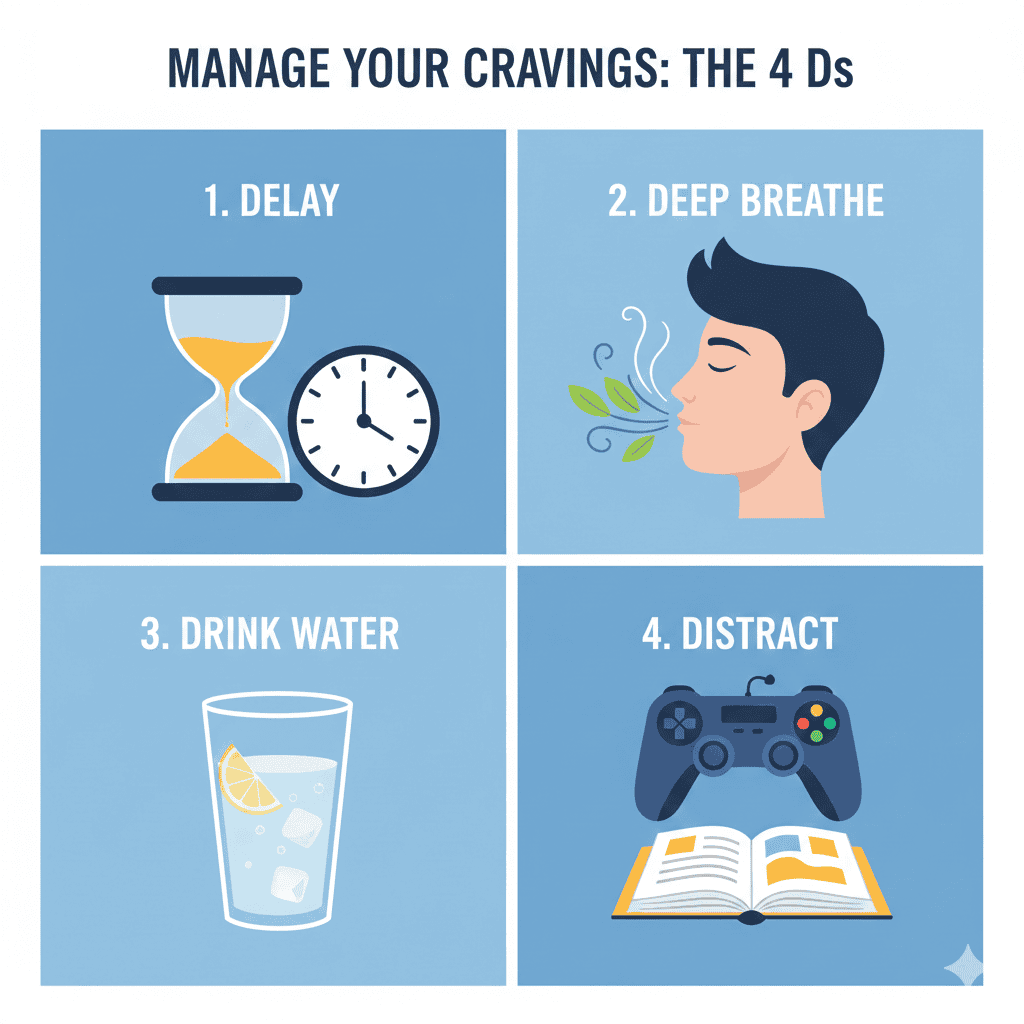
Да, и доказательная база здесь сильна. Контролируемое дыхание напрямую активирует парасимпатическую нервную систему, замедляя сердцебиение и снижая артериальное давление. Техника 4-7-8, популяризированная доктором Andrew Weil и подтверждённая исследованиями (2017), является одним из самых доступных методов. Вдохните через нос на счёт четыре, задержите дыхание на семь, медленно выдохните через рот на восемь. Повторите четыре раза. Второй подход: квадратное дыхание (вдох на четыре счёта, задержка на четыре, выдох на четыре, задержка на четыре), которое используют «морские котики» ВМС США для управления острым стрессом. Согласно исследованию 2023 года в, циклический физиологический вздох (двойной вдох через нос с последующим продолжительным выдохом) оказался более эффективным для снижения стресса, чем медитация осознанности, при практике всего пять минут в день. Эти техники бесплатны и могут выполняться везде, где раньше проходил перекур.
Что такое прогрессивная мышечная релаксация и работает ли она?
Прогрессивная мышечная релаксация (ПМР) была разработана доктором Edmund Jacobson в 1930-х годах и с тех пор прошла десятилетия клинической проверки. Метод заключается в последовательном напряжении каждой группы мышц на пять-десять секунд с последующим расслаблением и сосредоточением на возникающем ощущении покоя. Начните со стоп, затем переходите к икрам, бёдрам, животу, груди, кистям, рукам, плечам, шее и лицу. Мета-анализ изучил 27 исследований и установил, что ПМР вызывает значительное снижение тревожности как в клинических, так и в неклинических группах. Для бросающих курить ПМР особенно полезна, поскольку заменяет физический ритуал держания и вдыхания сигареты другим, по-настоящему успокаивающим физическим действием. American Lung Association рекомендует ПМР в составе программы Freedom From Smoking. Сеанс занимает всего 10-15 минут, а эффект нарастает при регулярной практике.
Как осознанность помогает справляться с тягой к никотину?
Практики на основе осознанности учат наблюдать за тягой, не поддаваясь ей. Исследователи называют этот навык «сёрфинг на побуждении». Рандомизированное контролируемое исследование, сравнило тренинг осознанности со стандартной программой отказа от курения American Lung Association и обнаружило, что участники группы осознанности имели значительно более высокий процент отказа при 17-недельном наблюдении. Основная практика проста: когда возникает тяга, останьтесь с ней. Заметьте, где в теле вы её ощущаете, понаблюдайте за её интенсивностью и увидите, как она достигает пика и естественно спадает, обычно в течение 15-20 минут. National Institute on Drug Abuse признаёт осознанность перспективным дополнением к традиционным методам отказа от курения. Приложения Headspace и Calm предлагают программы, специально разработанные для восстановления от зависимостей. Цель не в том, чтобы подавить стресс, а в том, чтобы изменить ваше отношение к нему, убрав автоматическое стремление к никотину.
Может ли физическая активность действительно снизить стресс после отказа от курения?
Физическая активность является одной из наиболее тщательно изученных стратегий снижения стресса в медицине. Обзор 2019 года в подтвердил, что даже короткие физические нагрузки (всего 10 минут быстрой ходьбы) значительно уменьшают тягу к сигаретам и симптомы абстиненции. Физические упражнения запускают выброс эндорфинов, повышают уровень мозгового нейротрофического фактора (BDNF) и снижают циркулирующий кортизол. World Health Organization рекомендует не менее 150 минут умеренной аэробной активности в неделю. Для недавно бросивших курить преимущества накапливаются: объём лёгких начинает улучшаться уже через несколько недель, делая упражнения постепенно легче и приятнее. Абонемент в спортзал не нужен. Ходьба, велосипед, плавание, йога и даже энергичная уборка дома подходят. Когда накатывает тяга, пять минут движения могут разорвать психологический замкнутый круг, давая мозгу альтернативный источник дофамина, не содержащий 7 000 токсичных веществ.
Как выглядит долгосрочное снижение стресса после отказа от курения?
Первые несколько недель после отказа могут ощущаться более стрессовыми, пока мозг перестраивает свою нейрохимию. Но этот дискомфорт временный. Исследование, отслеживало уровень стресса у бросивших курить на протяжении 12 месяцев и обнаружило, что воспринимаемый стресс значительно снизился после начального периода абстиненции. К шестому месяцу большинство бывших курильщиков отмечают более низкий общий уровень стресса, чем тот, который они испытывали во время курения. British National Health Service отмечает, что улучшение снабжения кислородом, лучшее качество сна и исчезновение постоянного тревожного цикла «когда я смогу покурить?» вносят вклад в более спокойное ежедневное самочувствие. Финансовый стресс тоже ослабевает: курильщик, выкуривающий пачку в день в США, экономит более $3 000 в год. В долгосрочной перспективе отказ от курения восстанавливает вашу базовую способность к стрессоустойчивости, позволяя справляться с жизненными вызовами с помощью инструментов, которые действительно работают, а не вещества, лишь усиливающего зависимость.
Как собрать практичный набор для снятия стресса?
Замените пачку сигарет портативным набором, рассчитанным на настоящее снятие стресса. Держите под рукой: жевательную резинку или мятные конфеты без сахара для оральной фиксации, антистресс-мяч или фиджет для беспокойных рук, наушники с загруженной пятиминутной медитацией и бутылку воды (обезвоживание усиливает стресс). Используйте проверку «HALT» перед реакцией на стресс: спросите себя, не испытываете ли вы Голод, Гнев, Одиночество или Усталость. Часто устранение базовой физической потребности полностью снимает тягу. Если тревожность является значимым триггером, попробуйте Anxiety Pulse, сопутствующее приложение, которое позволяет отслеживать уровень тревожности, выявлять личные триггеры и визуализировать динамику психического здоровья. В сочетании со Smoke Tracker оно обеспечивает комплексный обзор как физического восстановления, так и эмоционального благополучия. Формирование устойчивых привычек вокруг этих инструментов превращает управление стрессом из вопроса силы воли в рутину. Главное: подготовьте набор заранее, до того как нахлынет тяга, чтобы здоровый выбор стал самым лёгким.
Источники
- Centers for Disease Control and Prevention. "Benefits of Quitting Smoking Over Time." cdc.gov
- World Health Organization. "Tobacco: Key Facts." who.int
- American Lung Association. "Benefits of Quitting." lung.org
- National Institute on Drug Abuse. "Tobacco, Nicotine, and E-Cigarettes." drugabuse.gov
- NHS. "Quit Smoking." nhs.uk
- Cochrane Library. "Smoking Cessation Reviews." cochranelibrary.com
Данная статья носит исключительно информационный характер и не является медицинской рекомендацией. Информация о здоровье основана на опубликованных исследованиях таких организаций, как CDC, WHO и American Lung Association. Для получения индивидуальных рекомендаций по отказу от курения всегда обращайтесь к врачу.