When people consider the physical damage of smoking, the lungs, heart, and skin usually dominate the conversation. Yet for millions of smokers noticing a widening part, a receding hairline, or a shower drain accumulating excess strands, a quieter question looms: is cigarette smoke destroying your hair, and if you quit, will any of it grow back?
The short answer is yes to both. Smoking does not merely accelerate cosmetic wear: it inflicts direct vascular, genetic, and inflammatory injury on your hair follicles. Dermatological studies have repeatedly shown that smokers experience higher rates of hair loss, faster progression of pattern baldness, and premature greying compared to non-smokers.
Stopping the habit removes that continuous insult. While quitting cannot resurrect follicles that have been completely scarred over by decades of genetic miniaturization, it restores scalp circulation, quenches oxidative stress, and gives dormant follicles the oxygen and nutrients they need to enter a healthy new growth cycle. Here is what medical science actually reveals about how tobacco smoke harms your hair, what happens when you quit, and the realistic timeline for scalp recovery.
How Smoking Damages Hair Follicles: The 4 Biological Mechanisms
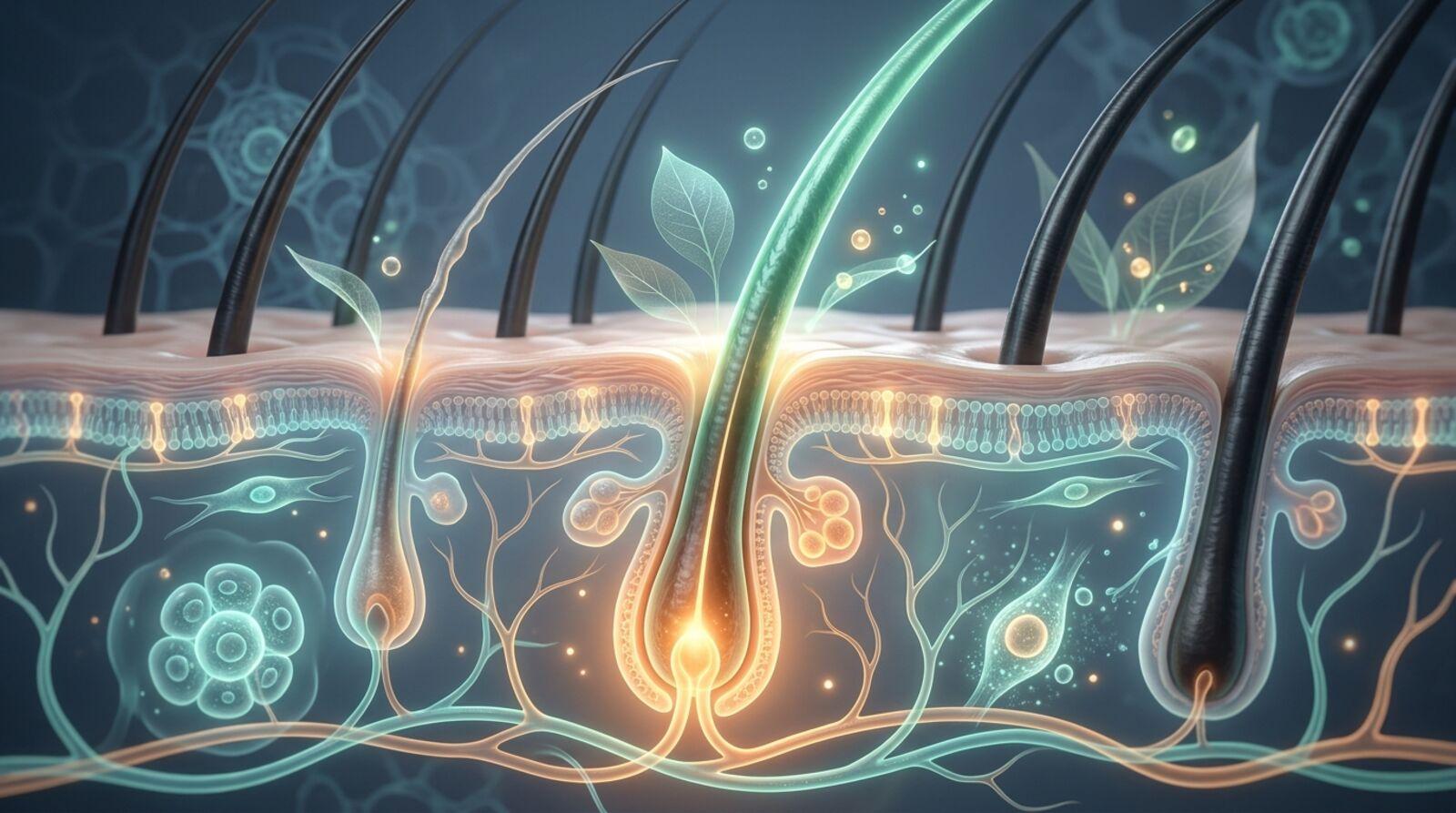
Hair follicles are among the most metabolically active tissues in the human body. To produce roughly half an inch of hair each month, follicular keratinocytes require a constant supply of oxygen, amino acids, vitamins, and minerals delivered through a delicate microvascular network. Cigarette smoke attacks this delicate engine through four distinct biological pathways.
+-------------------------------------------------------------------------+
|                  HOW CIGARETTE SMOKE ATTACKS HAIR                       |
+-------------------------------------------------------------------------+
|  1. Microvascular Constriction -> Starves Dermal Papilla of Oxygen       |
|  2. Oxidative Stress & ROS     -> Damages Follicular DNA & Keratin      |
|  3. Micro-Inflammation         -> Triggers Premature Shedding (Catagen) |
|  4. Hormonal Alterations       -> Amplifies DHT & Pattern Baldness      |
+-------------------------------------------------------------------------+
1. Scalp Microvascular Constriction and Tissue Hypoxia
Every hair follicle is nourished by tiny capillaries nestled in the dermal papilla at the base of the hair bulb. Nicotine is a potent sympathomimetic chemical: within seconds of inhalation, it stimulates the adrenal glands to release epinephrine and norepinephrine, triggering peripheral vasoconstriction.
Simultaneously, carbon monoxide from tobacco smoke binds to hemoglobin with an affinity roughly 200 times higher than oxygen, forming carboxyhemoglobin. This double hit constricts tiny scalp blood vessels while simultaneously reducing the oxygen-carrying capacity of the blood that does get through. The result is chronic tissue hypoxia in the scalp. Starved of adequate oxygen and cellular fuel, hair follicles enter the resting (telogen) phase prematurely, leading to chronic, diffuse hair thinning.
2. Oxidative Stress and Follicular DNA Damage
A single puff of cigarette smoke contains over 7,000 chemicals and an estimated 100 trillion free radicals. These reactive oxygen species (ROS) flood into the bloodstream and trigger widespread oxidative stress throughout dermal tissues.
In a landmark dermatological paper published by Dr. Ralph Trüeb in the journal Dermatology, researchers demonstrated that the toxins in cigarette smoke accumulate directly in hair follicles, causing DNA damage in follicular keratinocytes and outer root sheath cells. Hair matrix cells, which must divide rapidly to build the hair fiber, are exquisitely sensitive to this genotoxic stress. Over time, oxidative damage compromises protein synthesis, impairs keratin structure, and forces the follicle to abort active growth early.
3. Perifollicular Micro-Inflammation and Early Catagen
Chronic exposure to tobacco toxins does not just starve cells: it triggers an immune response. Toxic components like nicotine, benzopyrene, and heavy metals trigger the release of pro-inflammatory cytokines, specifically interleukin-1 (IL-1), tumor necrosis factor-alpha (TNF-alpha), and transforming growth factor-beta 1 (TGF-beta1).
These signaling molecules spark sustained perifollicular micro-inflammation around the upper follicle. This chronic inflammation signals the follicle to terminate its active growing phase (anagen) and prematurely transition into catagen (the regression phase), followed rapidly by telogen (the shedding phase). When too many follicles are pushed into this cycle simultaneously, noticeable hair thinning and increased daily shedding occur.
4. Endocrine Disruption and Androgenetic Alopecia (DHT)
For individuals genetically predisposed to androgenetic alopecia (male or female pattern baldness), smoking acts like an accelerant on a fire.
A comprehensive community-based survey of 740 Taiwanese men published in the Archives of Dermatology found that smoking 20 or more cigarettes per day was significantly associated with moderate to severe androgenetic alopecia (odds ratio 1.77). Heavy smokers had substantially higher odds of pronounced temple and crown hair loss compared to non-smokers, even after controlling for age and family history.
Smoking alters steroid hormone metabolism. Research indicates that smoking inhibits the enzyme aromatase (which normally converts androgens into estrogens in peripheral tissues) and increases circulating free androgens. Furthermore, local micro-inflammation in the scalp increases the sensitivity of follicular androgen receptors to dihydrotestosterone (DHT). For follicles susceptible to genetic pattern loss, this heightened sensitivity accelerates follicular miniaturization: the process where hair shafts grow progressively thinner, shorter, and more brittle with every successive cycle.
Nicotine vs. Cigarette Smoke: Does Vaping or NRT Cause Hair Loss?
One of the most frequent questions from people trying to quit cigarettes is whether switching to vaping or nicotine replacement therapy (NRT) like patches, gums, or pouches will continue to damage their hair.
To evaluate this, it is crucial to separate nicotine from combustion smoke:
- Combustion smoke contains tar, carbon monoxide, heavy metals (like lead and cadmium), cyanide, and trillions of free radicals. These substances are the primary culprits behind severe follicular DNA damage, toxic buildup, and microvascular destruction.
- Nicotine alone is a stimulant that causes temporary vasoconstriction and elevates blood pressure. While prolonged high doses of nicotine can reduce peripheral blood flow to extremities and the scalp, pure nicotine does not contain the mutagenic combustion byproducts that poison follicular cells.
Because nicotine replacements (such as patches, gums, and lozenges) deliver controlled doses without combustion toxins or carbon monoxide, they carry a vastly lower risk profile for hair health. If you are using NRT to step down from cigarettes, your scalp circulation is already vastly superior to what it was when you were smoking twenty cigarettes a day.
Vaping occupies a middle ground. E-cigarette vapor eliminates tar, carbon monoxide, and most combustion products, but high-strength vape fluids still deliver substantial nicotine doses that trigger vasoconstriction. Furthermore, certain flavoring compounds and heating-coil residues can generate localized oxidative stress. If hair preservation is a top priority, transitioning completely away from all nicotine over time is the best path for long-term scalp microcirculation.
+-------------------------------------------------------------------------+
|                  HAIR RISK COMPARISON ACROSS SOURCES                    |
+-------------------------------------------------------------------------+
| Product            | Combustion Toxins | Scalp Vasoconstriction | Overall |
+--------------------+-------------------+------------------------+---------+
| Cigarettes         | Extreme           | Severe & Continuous    | Severe  |
| Vaping             | Low               | Moderate to High       | Moderate|
| Nicotine Patches   | None              | Mild (Tapered)         | Low     |
| Cold Turkey / Free | None              | None (Baseline Return) | Optimal |
+-------------------------------------------------------------------------+
Can Quitting Smoking Reverse Hair Loss? What Can and Cannot Regrow
Managing expectations is essential when looking at hair recovery. Quitting smoking halts the active, chemical assault on your follicles immediately, but whether you see dramatic regrowth depends on the type of hair loss you experienced.
What Can Regrow
- Telogen Effluvium: Diffuse hair shedding caused by poor circulation, chronic metabolic stress, and nutritional starvation. When blood flow normalizes and systemic oxidative stress subsides, follicles resting in the telogen phase can cycle back into anagen (active growth).
- Hair Shaft Diameter and Strength: Existing hair often becomes visibly thicker, shinier, and less brittle. As newly synthesized keratin is freed from tobacco toxins, the structural integrity of the hair shaft improves.
- Dormant, Starved Follicles: Follicles that were dormant or producing wispy, under-pigmented hairs due to microvascular constriction can regain the nutrient supply needed to produce robust terminal hairs.
What Quitting Alone Cannot Fix
- Advanced Miniaturized Follicles: If a follicle has been miniaturized by androgenetic alopecia to the point of complete fibrosis (smooth, shiny bald skin on the crown or temples with no active pores), quitting smoking will not bring it back. Fibrotic scarring is permanent.
- Strictly Genetic Baldness: Quitting stops smoking from accelerating your genetic hair loss clock, but it does not alter your underlying genetic sensitivity to DHT.
Even for genetic baldness, however, quitting provides a decisive advantage: any medical or topical hair loss treatments you pursue (such as minoxidil or finasteride) work far more effectively in an oxygen-rich scalp with unobstructed blood flow than in one strangled by nicotine and carbon monoxide.
The Hair Recovery Timeline After Quitting Smoking
Hair follicles operate on biological clocks that take months, not days. Unlike the rapid recovery seen in your heart rate and blood pressure, visible hair changes require patience as old hairs shed and new anagen fibers travel up through the skin.
Here is the realistic, evidence-based roadmap of what happens to your scalp from week one to year one:
+-------------------------------------------------------------------------+
|                  THE 12-MONTH SCALP RECOVERY TIMELINE                   |
+-------------------------------------------------------------------------+
| Days 1 - 7    | Carbon monoxide clears; blood oxygen capacity rebounds  |
| Weeks 2 - 4   | Scalp capillary perfusion normalizes; effluvium lag     |
| Months 2 - 3  | Dormant follicles reactivate; sebum production balances |
| Months 4 - 6  | First visible fine regrowth along hairline and crown    |
| Months 9 - 12 | Enhanced shaft thickness, tensile strength, and density |
+-------------------------------------------------------------------------+
Days 1 to 7: The Cellular Breathing Room
Within 8 hours of your last cigarette, carbon monoxide levels in your bloodstream plummet toward normal, allowing hemoglobin to carry oxygen at full capacity once again. By day 3 (hour 72), nicotine has completely cleared from your system.
The immediate chemical constriction of your scalp's microcapillaries relaxes. While you will not see new hair in seven days, the follicular cells at the base of your scalp are finally receiving uninterrupted oxygen for the first time in years.
Weeks 2 to 4: Circulation Restored and the "Effluvium Lag"
Between weeks 2 and 4, peripheral blood circulation improves substantially, as detailed in our full quit-smoking recovery timeline. Capillary beds in the dermal papilla open up, delivering essential amino acids, iron, and micronutrients.
During this window, some quitters notice something alarming: a temporary increase in hair shedding. Do not panic. This is known as "effluvium lag." The biological stress of nicotine withdrawal, combined with sudden changes in vascular dynamics, pushes older hairs that were already near the end of their telogen cycle out of their pores. This shedding makes room for healthy, new anagen growth beneath the surface. It is a sign of renewal, not ongoing decline.
Months 2 to 3: Follicular Reactivation
By the 90-day mark, the systemic inflammation and oxidative stress driven by smoking have subsided. Follicles that were stuck in prolonged dormancy begin the transition into anagen, the active division and growth phase.
At the same time, the scalp's sebum production begins to normalize. Smokers often suffer from either an overly greasy scalp (a compensatory reaction to surface dehydration) or brittle dryness. With the skin barrier recovering (much like the skin transformations seen in facial recovery), the scalp environment becomes cleaner and less prone to perifollicular inflammation.
Months 4 to 6: Early Visible Regrowth
Because human scalp hair grows at an average rate of 1 to 1.25 centimeters (roughly half an inch) per month, month 4 to 6 is when internal recovery becomes externally visible.
Look closely at your hairline, temples, and part line in bright, consistent lighting: you will likely spot fine, short "baby hairs" emerging from previously dormant pores. Simultaneously, daily shedding in the shower and on your pillow should drop noticeably back to normal baseline levels (typically 50 to 100 hairs per day).
Months 9 to 12 and Beyond: Density and Texture Rebound
At the one-year milestone, newly awakened hairs have accumulated 4 to 6 inches of growth, blending into your existing hair volume. Because these hairs grew entirely in a smoke-free, oxygen-rich environment, their cuticle layers are tighter, reflecting light more evenly and feeling softer to the touch.
While quitting smoking will not change your natural genetic hair type, your hair at one year smoke-free will be thicker, stronger, and more resilient than it could have ever been while exposed to daily tobacco smoke.
How to Support Hair Regrowth After Quitting: 5 Evidence-Based Steps
Quitting cigarettes provides the single largest boost to scalp circulation you can achieve, but you can actively assist the regrowth process with targeted lifestyle habits:
- Prioritize Keratin-Building Protein and Micronutrients: Hair is made of 85% to 90% keratin, a fibrous protein built from sulfur-rich amino acids like cysteine and methionine. Ensure you eat adequate lean protein (eggs, poultry, legumes, fish) alongside iron, zinc, and vitamin D. For a complete guide on how to fuel your recovery without cravings, explore our breakdown of what to eat when quitting smoking.
- Perform Daily Gentle Scalp Massage: Mechanical stimulation has been shown in small clinical trials to increase scalp blood flow and activate mechanosensitive genes in dermal papilla cells, increasing hair thickness. Spend four to five minutes daily using your fingertips (never fingernails) to gently massage your scalp in circular motions.
- Manage Cortisol and Acute Stress Spikes: High cortisol levels push hair follicles directly into telogen effluvium. The early weeks of smoking cessation can elevate anxiety and perceived stress. For acute spikes, slow paced breathing at roughly six breaths per minute downregulates the sympathetic fight-or-flight response in about 90 seconds. Our companion app Flow Breath was designed precisely for these brief moments of situational regulation, helping keep stress hormones low while your body adapts.
- Avoid Harsh Heat and Chemical Treatments Early On: During the first three to six months of cessation, newly emerging hair shafts are delicate. Minimize chemical perms, harsh bleaching, and high-heat blow drying to prevent mechanical breakage while the hair bulb establishes its footing.
- Consult a Dermatologist if Thinning Persists: If significant shedding continues beyond six months or follows a distinct genetic pattern (such as an expanding crown or bald patches), see a board-certified dermatologist. Treatments like topical minoxidil, finasteride, or platelet-rich plasma (PRP) work best when paired with the clean vascular environment of a smoke-free body.
How Smoke Tracker Helps You Protect Your Scalp and Health
Hair recovery is a marathon governed by biological cycles that take months to reveal their rewards. In the difficult first few weeks of quitting, when cravings are sharp and visible changes have not yet reached the surface, it is easy to forget why you started.
That is why structured tracking makes all the difference. Smoke Tracker turns this invisible healing into concrete progress:
- Day-by-Day Health Timeline: Watch verified clinical milestones tick past in real time, from the 20-minute blood pressure drop to the multi-month circulation milestones that feed your hair follicles.
- Streak Counter: Every day you add to your streak is another 24 hours your scalp receives uninterrupted oxygen and nutrients instead of carbon monoxide and nicotine.
- Craving Toolkit: When an urge strikes, use the 11 built-in craving strategies to ride out the 3-to-5-minute wave without reaching for a cigarette that restarts the vascular clock.
- 100% Private and Offline: No account required, no ads, and no cloud tracking. Your health data stays entirely on your phone.
Your hair follicles did not weaken in a week, and they will not rebuild overnight. But every cigarette you avoid is a direct investment in the microcirculation, vitality, and longevity of your body. Give your scalp the oxygen it has been waiting for: one smoke-free day at a time.
Sources
- Koyama, T., et al. (2016). Standardized Scalp Massage Results in Increased Hair Thickness by Inducing Stretching Forces to Dermal Papilla Cells in the Subcutaneous Tissue. Eplasty, 16, e8.
- U.S. Department of Health and Human Services. (2020). Smoking Cessation: A Report of the Surgeon General.
- Gupta, A. K., Bamimore, M. A., & Talukder, M. (2024). A meta-analysis study on the association between smoking and male pattern hair loss. Journal of Cosmetic Dermatology, 23(4), 1446-1451.
- Trüeb, R. M. (2009). Oxidative stress in ageing of hair. International Journal of Trichology, 1(1), 6-14.
Common questions
- Does smoking cause hair loss?
- Yes. Large epidemiological surveys and clinical reviews confirm that smoking is strongly linked to accelerated hair thinning and the early onset of androgenetic alopecia (pattern baldness). Cigarette smoke damages hair through chronic scalp vasoconstriction, free-radical oxidative stress, follicular micro-inflammation, and hormone disruption.
- Will hair grow back after quitting smoking?
- Yes, for many people. Hair lost to telogen effluvium (stress- and poor-circulation-induced shedding) or dormant follicles starved of nutrients can cycle back into active growth over 3 to 12 months. However, follicles that have permanently scarred or fully miniaturized from long-standing genetic baldness will not regrow from quitting alone.
- Does nicotine itself cause hair thinning, or just smoke?
- Nicotine is a vasoconstrictor that temporarily narrows peripheral blood vessels, but the primary drivers of follicular death in smokers are the combustion toxins, carbon monoxide, heavy metals, and free radicals in cigarette smoke. While high-dose nicotine from vaping can still impair optimal blood flow, switching to temporary nicotine replacement therapy (NRT) eliminates the toxic smoke compounds that inflict the most severe cellular damage.
- How long after quitting smoking does hair start to improve?
- Scalp circulation begins improving within 2 to 4 weeks. Because hair grows in multi-month cycles, visible new growth typically appears along the hairline and crown between months 3 and 6 as fine baby hairs, with thicker density and improved shaft strength developing by month 12.
- Why do some people experience hair shedding right after quitting?
- A temporary increase in shedding during the first few weeks after quitting is often a benign sign of follicular transition known as telogen effluvium lag. The metabolic shift and withdrawal stress push older resting hairs out to make room for new, healthy anagen hairs. This shedding usually stabilizes within 6 to 12 weeks.
This article is for informational purposes only and does not constitute medical advice. Health information is based on published research from organizations such as the CDC, WHO, and American Lung Association. Always consult a healthcare professional for personalized guidance on smoking cessation.