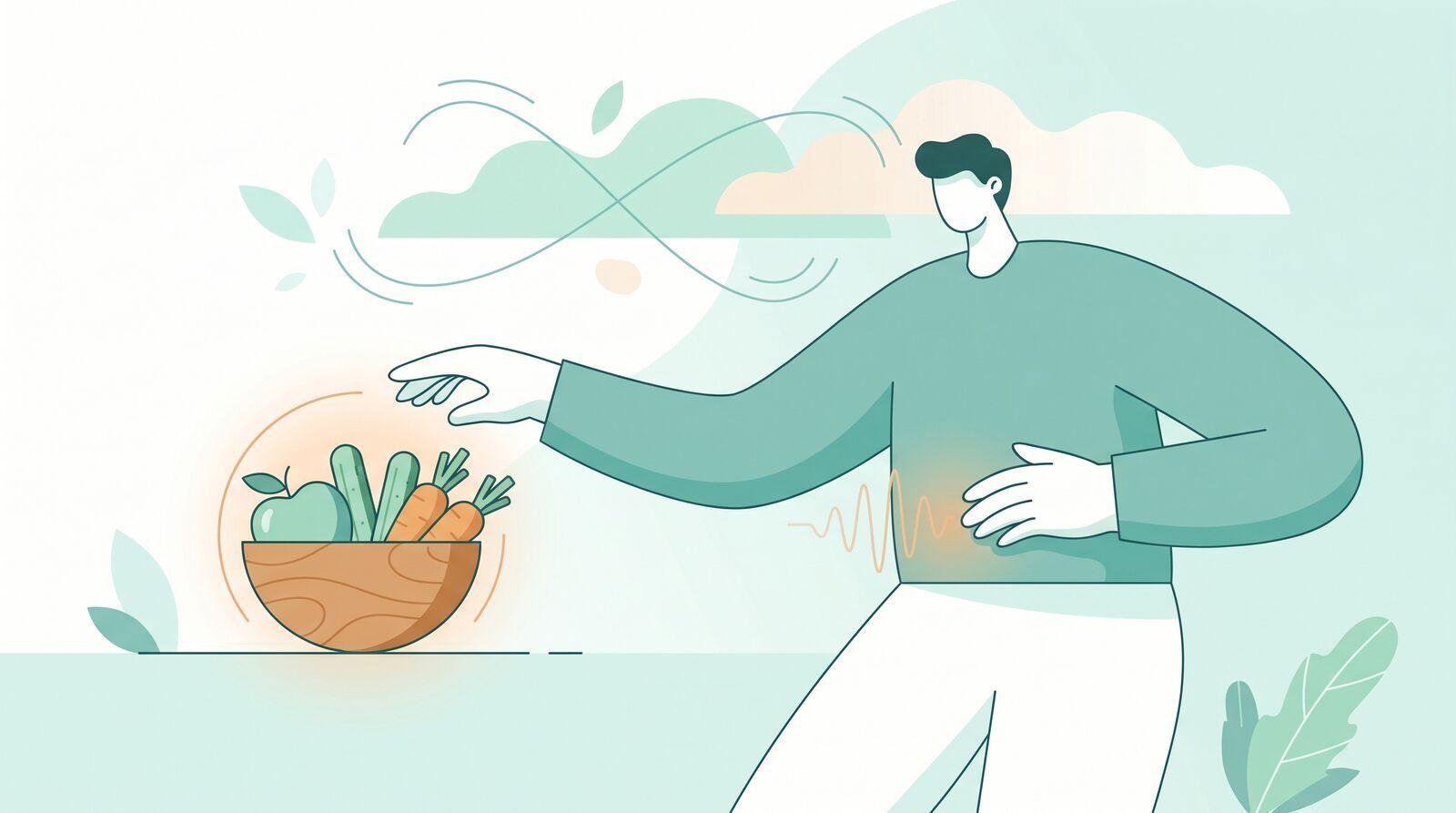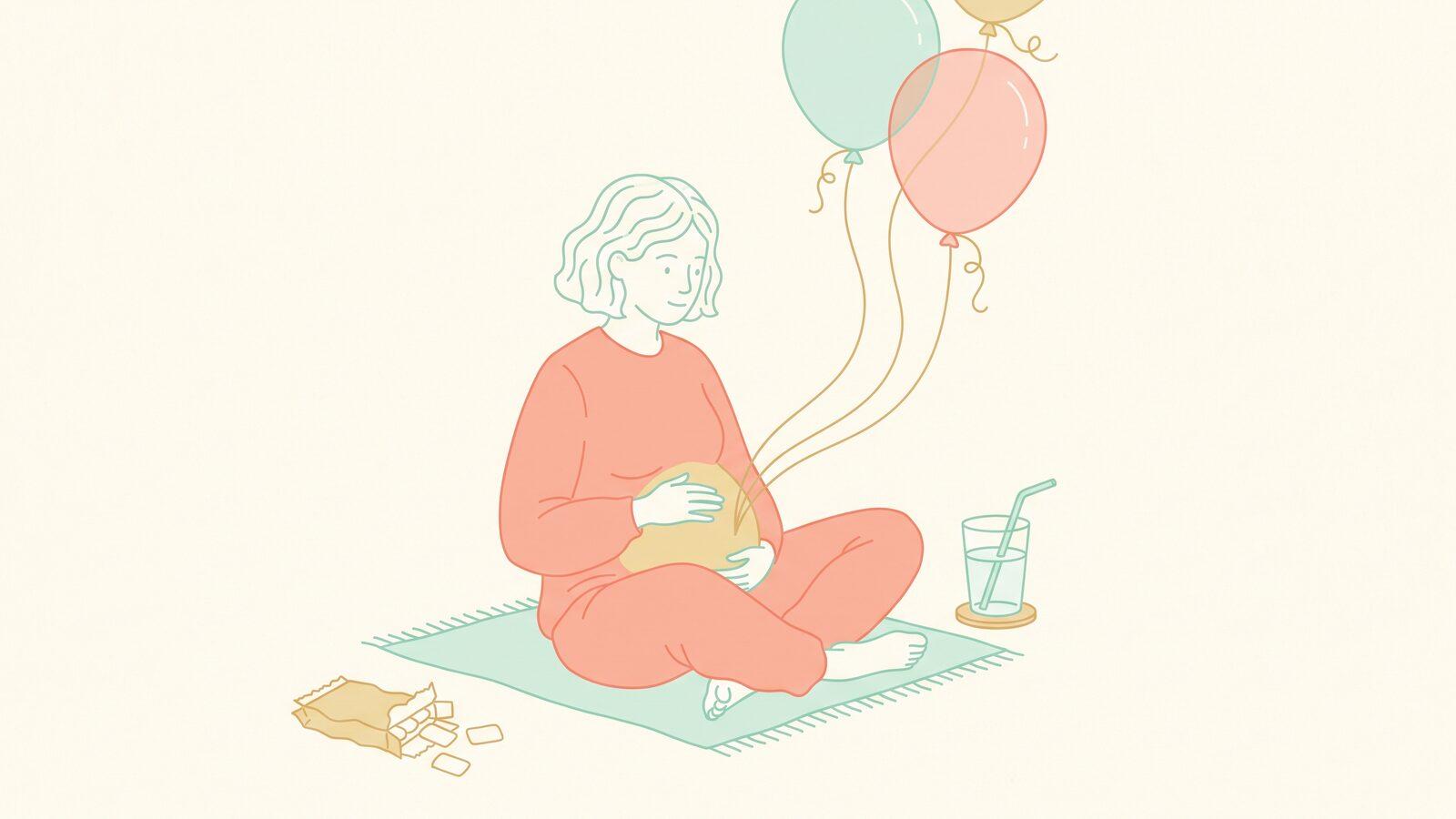
A week or so into quitting, a lot of people notice that their jeans are tighter by the evening, that they feel full after half a meal, and that they are passing far more wind than they would like to admit. It arrives alongside the cravings and the short temper, so it gets blamed on stress or on the extra snacks, and both are partly right. But the main cause is simpler and more physical: nicotine was doing a job in your gut, and now that job is vacant. Here is why quitting bloats you, what makes it worse, how long it lasts, and what actually deflates it.
Why Quitting Smoking Makes You Bloated
The bloating has the same root as the constipation so many quitters get in the first weeks, and several other things pile on top.
The first is the lost nicotine push. Nicotine stimulates the nerves that drive peristalsis, the wave of muscle contractions that moves food through the intestine. In practical terms it was a mild, several-times-a-day laxative. When it disappears, transit slows, and food spends longer in the colon. The bacteria there ferment whatever reaches them, and fermentation produces gas. More time in the colon means more fermentation, which means more gas trapped in a bowel that is moving it along more slowly. Slower transit also lets the stool dry out and sit, and a loaded, sluggish colon feels bloated even when the gas is modest.
The second is the oral substitutes. The hand-to-mouth habit does not stop when the cigarettes do, and most people fill the gap with gum, mints, hard candy, or sunflower seeds. All of them make you swallow air, and swallowed air has to go somewhere. Sugar-free versions are worse: sorbitol, xylitol, mannitol, and the other sugar alcohols in sugar-free gum and sweets are barely absorbed in the small intestine and are fermented enthusiastically in the colon. A few pieces of sorbitol gum a day is a well-documented cause of gas, bloating, and loose stools in people who have never smoked. Nicotine replacement gum and lozenges, which our NRT guide covers, deliver the same swallowed air, and the gum also contains sugar alcohols.
The third is more food, faster. Appetite rises when you quit, for reasons we cover in the guide to increased appetite after quitting, and taste and smell come back, so meals are bigger and more frequent. Eating quickly means more swallowed air. A sudden jump in fruit, vegetables, beans, or a new fiber supplement, all of which are good ideas, produces a spike in gas on a colon that has not adjusted to the extra fermentable material. Fizzy drinks, another common cigarette substitute, add carbon dioxide directly.
The fourth is withdrawal stress. Digestion runs best in the parasympathetic, rest-and-digest state. Withdrawal tips you toward the tense, wired, sympathetic state that the anxiety of the first weeks comes from, and in that mode the gut slows and becomes more sensitive. Gas that would normally pass unnoticed registers as discomfort, and a slightly distended bowel feels much worse than it is.
The fifth, slower one is the gut microbiome resettling. Smoking changes the mix of bacteria in the gut, and quitting changes it back. A study that tracked people through smoking cessation found substantial shifts in the composition of their intestinal bacteria over the following weeks, in the direction seen in non-smokers. A community of bacteria rearranging itself is a community producing gas in new patterns, and this is the part of the bloating that lingers after transit has recovered.
One more to name: weight gain is not bloating, but the two get confused. The average quitter gains a few kilograms in the first months, mostly from appetite and metabolic changes, as our guide to quitting and weight gain explains. Bloating fluctuates through the day and is gone by morning; weight does neither.
How Long Bloating Lasts After Quitting
The gut follows the same curve as the rest of withdrawal, which means it has a clear end.
Days 1 to 3. Nicotine clears the system and its push on the bowel disappears. Transit begins to slow. Most people notice the change in eating and the gum habit before they notice the bloating itself.
Days 3 to 14. Peak. Slower transit, more fermentation, more swallowed air, bigger meals, and the highest stress all overlap. This is when the evening fullness, the tight waistband, and the gas are at their worst, and when constipation, if you get it, is also peaking.
Weeks 2 to 4. Transit returns toward normal as the nervous system settles and the bowel relearns to move without nicotine. If you have fixed the gum, the fizzy drinks, and the speed of eating, the bloating drops sharply in this window.
Weeks 4 to 8. The microbiome is still resettling, so some people notice lingering mild gas, especially if their diet changed a lot. It is usually mild and fading. Bloating that is severe, painful, or still getting worse past four weeks is no longer typical withdrawal.
For the full picture of which symptoms peak when across the whole quit, our nicotine withdrawal timeline lays out the day-by-day curve that bloating fits into.
What Actually Relieves It
Bloating is one of the more fixable withdrawal symptoms, because most of what causes it is behavior you can change this week.
Walk after meals. Movement moves gas. A ten to twenty minute walk after eating, especially after the biggest meal of the day, mechanically shifts gas and stool through the bowel and takes the edge off cravings at the same time. It is the single fastest lever.
Audit the gum and sweets. For one week, cut sugar-free gum, mints, and hard candy entirely and see what happens. Many quitters find that half their gas was sorbitol. If you need something in your mouth, use a toothpick, a straw, crunchy vegetables, or plain water. If you are using nicotine gum, chew it the way the instructions say, slowly and parked between the cheek and gum, rather than like ordinary gum, which reduces swallowed air.
Swap fizzy for still. Sparkling water, diet soda, and beer add gas directly. Plain water, herbal tea, or diluted juice do not.
Eat slower and smaller. Put the fork down between bites, chew properly, and split the bigger appetite across five smaller meals instead of three large ones. Both reduce swallowed air and the load reaching the colon at once.
Add fiber gradually, with water. Fiber is the right long-term answer to the slowed transit, but a sudden jump is the wrong short-term one. Increase it over two weeks, drink more as you add it, and lean on the gentler sources first: oats, ripe fruit, cooked vegetables, and kiwi, before piling on beans and raw brassicas. Our guide to what to eat when quitting covers the food choices that help rather than hurt.
Warmth and peppermint. Peppermint tea relaxes the smooth muscle of the gut and helps trapped gas move, and a warm drink after a meal does the same. This is also a good replacement ritual for the after-dinner cigarette.
Downshift the nervous system. Because stress slows the gut and makes it more sensitive, a few minutes of slow breathing genuinely helps digestion, not only mood. Our companion app Flow Breath is built for exactly these short resets, and the same slow exhale that takes the edge off a craving nudges the body back toward the rest-and-digest state where gas passes and the bowel moves.
Use a gentle aid if needed. If two weeks of the changes above have not been enough, a pharmacist can suggest simethicone for trapped gas, a gentle fiber supplement, or, if constipation is driving it, a short course of an osmotic laxative. Treat them as a bridge while the gut readjusts, not a permanent fixture.
When Bloating Is Not Just Withdrawal
Withdrawal bloating has a recognizable shape: it starts in the first days, peaks in the first two weeks, comes and goes through the day, is worse after meals and gum, and eases with walking, water, and the changes above. Anything outside that pattern deserves a proper look.
Talk to a clinician if:
- Bloating comes with severe or worsening abdominal pain, or the belly is hard, swollen, and tender.
- You are vomiting, or cannot pass gas or stool at all for more than a day or two.
- There is blood in the stool, or the stool is black and tarry.
- Bloating alternates with diarrhea, or comes with unexplained weight loss.
- It is still severe or getting worse after four weeks, or it began right after starting a new medication, including a quit-smoking aid.
- You have a history of bowel disease and this feels different from your usual pattern.
None of these are typical of the ordinary withdrawal bloat, which is annoying, common, and brief. Knowing them is about catching the rare exception, not worrying about a gassy first week.
How Can Smoke Tracker Help You Through It?
Bloating is a quiet relapse risk because the link back to cigarettes is so easy to draw. You feel heavy and full and uncomfortable, you remember that a cigarette used to settle your stomach and keep you regular, and the trade starts to feel almost sensible. It is not. Your gut is asking for a walk, water, and fewer sugar alcohols, not for nicotine. The tracker exists to keep that trade honest while the discomfort passes.
- Health Timeline: Seeing that your digestive system is on a known adjustment curve, resettling rather than broken, turns the bloating into a phase with an end date instead of a new normal.
- Craving Toolkit: The moment you think a cigarette would fix your stomach is the moment to reach for an in-app strategy instead. The toolkit is there for exactly that sneaky rationalization.
- Streak Counter: Days 3 to 14, when the gut is at its worst, are when the streak number works hardest. Watching it hold through an unglamorous symptom reframes the discomfort as a cost being paid down, not a reason to stop.
- Money Saved: Redirect a little of the first weeks' savings toward the things that help here: a refillable water bottle, good fruit, peppermint tea, and a proper meal instead of a bag of sugar-free sweets.
The bloating of the first weeks is not a sign that quitting damaged your gut. It is a bowel that spent years being hurried along by a stimulant learning to move at its own pace, while the gum, the snacks, the fizzy drinks, and the stress of withdrawal make the adjustment noisier than it needs to be. It is uncomfortable, it is common, and it is brief.
The gas peaks early and passes within weeks. Walk after meals, drop the sorbitol gum and the fizzy drinks, add fiber slowly with water, and keep going.
Sources
- Hughes, J. R. (2007). "Effects of abstinence from tobacco: valid symptoms and time course." Nicotine & Tobacco Research. pubmed.ncbi.nlm.nih.gov
- Hajek, P., Gillison, F., and McRobbie, H. (2003). "Stopping smoking can cause constipation." Addiction. pubmed.ncbi.nlm.nih.gov
- Biedermann, L., et al. (2013). "Smoking cessation induces profound changes in the composition of the intestinal microbiota in humans." PLoS ONE. pubmed.ncbi.nlm.nih.gov
- Hyams, J. S. (1983). "Sorbitol intolerance: an unappreciated cause of functional gastrointestinal complaints." Gastroenterology. pubmed.ncbi.nlm.nih.gov
- U.S. Department of Health and Human Services. (2020). "Smoking Cessation: A Report of the Surgeon General." ncbi.nlm.nih.gov
- Benowitz, N. L. (2010). "Nicotine addiction." New England Journal of Medicine. pubmed.ncbi.nlm.nih.gov
- National Cancer Institute (smokefree.gov). "Managing Withdrawal." smokefree.gov
Common questions
- Is bloating normal after quitting smoking?
- Yes. Bloating, gas, and a heavy, full feeling are common in the first weeks after quitting and are part of the same gut adjustment that causes constipation. Nicotine kept the digestive tract moving faster than its natural pace, and when it is removed, transit slows, food ferments longer in the colon, and more gas is produced. The habits that replace cigarettes, especially gum, sweets, fizzy drinks, and eating more, add to it. It is uncomfortable but not dangerous, and it eases as the gut finds its own rhythm.
- How long does bloating last after quitting smoking?
- For most people it begins within the first few days, peaks during the first one to two weeks alongside the strongest cravings, and improves noticeably by the end of week two. Bowel transit is usually back to normal within two to four weeks. The gut bacteria take longer to resettle, so mild gas can linger for six to eight weeks, particularly if your diet changed a lot when you quit. Bloating that is severe or still getting worse after four weeks deserves a clinician's look rather than more patience.
- Why do I have so much gas since I stopped smoking?
- Three things stack up. Slower transit gives colon bacteria more time to ferment the food passing through, and fermentation produces gas. Oral substitutes such as gum, mints, and hard candy make you swallow air, and sugar-free versions contain sorbitol and other sugar alcohols that bacteria ferment aggressively. Many quitters also eat more, eat faster, and add fiber suddenly, which is a recipe for gas on a gut that has already slowed down. Nicotine gum and lozenges add swallowed air too.
- What is the fastest way to relieve bloating after quitting smoking?
- Walk after meals, because movement moves gas through the bowel mechanically. Drink water steadily rather than in big gulps, and swap fizzy drinks for still. Cut sugar-free gum, mints, and candy for a week and see if the gas drops, since sorbitol is a common hidden cause. Eat slower and in smaller portions, add fiber gradually rather than all at once, and give the bowel an unhurried morning routine. Peppermint tea and a few minutes of slow breathing help the gut relax. If gas and bloating are still bad after two weeks of those changes, ask a pharmacist about simethicone or a gentle fiber supplement.
- Can quitting smoking cause stomach problems?
- It can, and most are temporary. Constipation, bloating, gas, mild cramping, more appetite, and changes in bowel habit are all recognized parts of nicotine withdrawal because nicotine influenced gut motility and acid production. The digestive system needs a few weeks to find its new baseline. Persistent severe pain, vomiting, blood in the stool, black stools, ongoing diarrhea, or unexplained weight loss are not typical of withdrawal and should be checked.
This article is for informational purposes only and does not constitute medical advice. Health information is based on published research from organizations such as the CDC, WHO, and American Lung Association. Always consult a healthcare professional for personalized guidance on smoking cessation.