Quitting smoking is one of the most challenging things a person can do. If your partner or loved one has decided to take this life-changing step, your support is invaluable. Research shows that when one partner quits smoking, the other partner is significantly more likely to succeed as well. But providing the right kind of support can be tricky. Poorly delivered encouragement can backfire, pushing the person further into the habit rather than away from it. This comprehensive guide draws on clinical research and behavioral science to help you become the most effective and empathetic ally in your loved one's quit journey.
How Does Partner Support Influence Quit Success Rates?
The evidence is clear: social support dramatically affects smoking cessation outcomes. Research suggests that partner support increased the likelihood of a successful quit attempt by up to 50%. Emotional encouragement from close relationships is one of the strongest predictors of long-term abstinence. However, the type of support matters enormously. Research from the University of Rochester distinguishes between "positive" support (encouragement, patience, active listening) and "negative" support (nagging, monitoring, criticizing), finding that negative support actually undermines quit attempts. The key takeaway is that your presence and patience are powerful tools, but only when wielded with care and genuine empathy rather than control or judgment. Understanding this distinction early on can shape the entire trajectory of your partner's quit attempt and strengthen your relationship in the process.
What Should You Ask Before They Start Quitting?
Every individual's quitting journey is unique. Some people want daily check-ins to stay accountable, while others prefer you don't mention it at all. Having an open conversation before the quit date to establish boundaries and preferences is recommended. Before making assumptions, sit down with them and ask direct questions. Try: "How can I best support you right now?" or "Do you want me to ask how you're doing, or wait for you to bring it up?" and "Would it be helpful if I joined you for walks during cravings?" Setting these expectations early prevents misunderstandings later. Couples who agree on a support strategy before the quit date report less conflict and higher satisfaction with the process overall. This proactive conversation also signals to your partner that you are truly invested in their success.
What Should You Say to Encourage Them?
Words carry tremendous weight during a quit attempt. The right phrase at the right moment can pull someone through an intense craving. Focus on affirming their strength and autonomy rather than emphasizing the dangers of smoking, which they already know well. Effective statements include: "I can see how hard this is, and I admire your determination," "You have already made it through three days, that is incredible," and "I am here for you no matter what happens." Using language that acknowledges difficulty without dwelling on it is important. Celebrate micro-milestones openly. Getting through the first day, the first week, and the first month all deserve recognition. A simple reward like their favorite dinner or a movie night reinforces positive progress without being patronizing. Small gestures of verbal acknowledgment consistently outperform grand gestures in sustaining long-term motivation.
What Should You Avoid Saying or Doing?
Well-meaning loved ones often make mistakes that can hinder progress. Research shows that critical or controlling support behaviors are associated with higher relapse rates. Never guilt trip with phrases like "If you loved me, you'd quit." Addiction is a chemical dependency, not a measure of love. Avoid policing their behavior by checking pockets or smelling their breath, as this builds resentment and breaks trust. Don't lecture them on health risks; they already know. Refrain from comparing their journey to someone else's, since each person's experience with nicotine dependence is different. Also avoid ultimatums, which can increase stress and actually trigger cravings. Your role is supportive ally, not enforcer. Focus on encouragement rather than surveillance. If you catch yourself slipping into controlling behavior, pause and ask whether your actions would feel supportive if the roles were reversed.
How Can You Understand Withdrawal Symptoms as a Supporter?
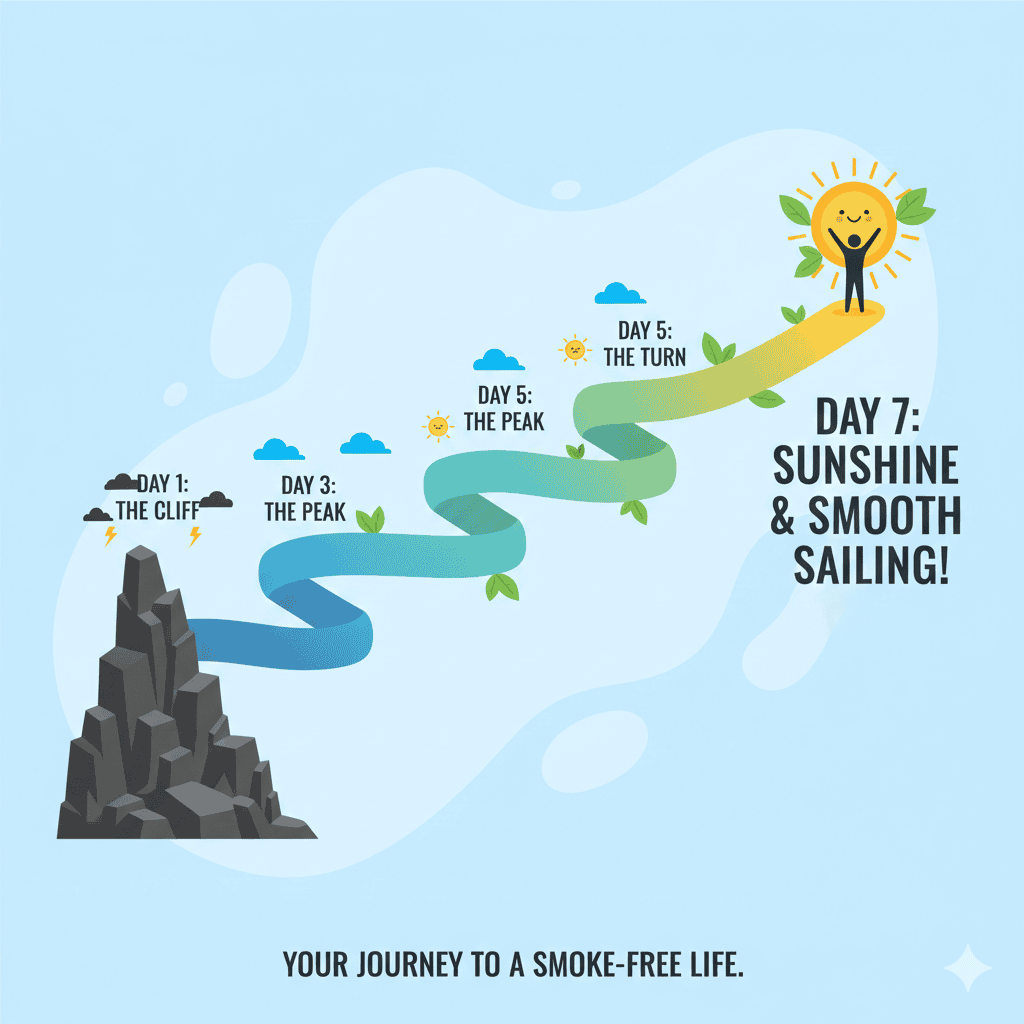
Nicotine withdrawal is physically and mentally taxing, and understanding what your partner is going through helps you respond with compassion rather than frustration. Nicotine alters brain chemistry by flooding dopamine receptors, and withdrawal disrupts this system profoundly. During the first two to four weeks, expect irritability, anxiety, trouble sleeping, restlessness, increased appetite, and difficulty concentrating. These symptoms peak around days three to five and gradually improve. Try not to take mood swings personally. Remind yourself that withdrawal is talking, not your partner. Nicotine dependence is classified as a chronic relapsing condition, which means patience is not optional but essential. Educating yourself about the timeline of withdrawal helps you anticipate difficult moments and prepare supportive responses in advance. Many supporters find it helpful to keep a brief reference guide of symptoms and their expected duration nearby.
How Do You Create a Smoke-Free Home Environment?
A cornerstone of quitting smoking is eliminating triggers, and the home environment plays a critical role. A complete purge of smoking-related items from shared spaces is recommended. Clear the house of all cigarettes, lighters, and ashtrays. Wash bedding, curtains, and clothes that carry smoke odors. Deep clean the car interior to remove lingering scents. Consider replacing air filters and using baking soda on upholstered furniture. If you are a smoker yourself, never smoke around them or leave your cigarettes visible. Thirdhand smoke residue on surfaces can trigger cravings even weeks after quitting. Consider this an opportunity to quit together, since research shows that couples who quit simultaneously have significantly higher success rates than individuals who quit alone. Even small environmental changes, like rearranging furniture associated with smoking rituals, can help break habitual triggers.
How Should You Handle a Relapse With Compassion?
Relapses are a common part of the journey, not a sign of failure. Research shows that 40-60% of people recovering from any addiction experience at least one relapse. If your partner slips up, resist showing disappointment or anger. Instead, approach them with empathy. Say something like: "I know this feels like a setback, but I am still proud of all the days you went without smoking. What can we learn from this for next time?" Avoid phrases that assign blame or shame. Supportive responses to relapse predict faster return to abstinence, while punitive reactions predict longer periods of resumed smoking. Remind them that a single slip does not erase their progress, and encourage them to try again whenever they feel ready.
When Should You Suggest Professional Help?
Sometimes love and encouragement are not enough, and recognizing when to recommend professional resources is itself a form of support. All adults attempting to quit smoking are recommended to be offered both behavioral counseling and FDA-approved pharmacotherapy, such as nicotine replacement therapy, bupropion, or varenicline. If your partner has tried quitting multiple times without success, gently suggest speaking with their doctor. You might say: "I have read that combining support with medication can double the chances of quitting for good. Would you be open to exploring that?" Frame it as adding tools to their toolkit rather than admitting defeat. The national quitline (1-800-QUIT-NOW) offers free coaching. You can also offer to attend a counseling session together, which normalizes the process and reinforces your commitment to their health. Professional support is not a last resort; it is a proven strategy that complements the emotional support you already provide at home.
How Do You Take Care of Yourself as a Supporter?
Supporting someone through nicotine withdrawal is emotionally demanding, and caregiver burnout is real. Supporters who neglect their own well-being become less effective over time and may develop resentment. Set boundaries around what you can realistically offer. It is okay to step away from a heated moment and return when both of you have cooled down. Maintain your own routines, exercise, friendships, and hobbies. Talk to a trusted friend or counselor about your own feelings. Joining an online support community for partners of people quitting smoking can also provide valuable perspective and solidarity. Remember that you cannot quit for them, and their success or failure is not a reflection of your worth as a partner. Your job is to be present, patient, and consistent, not perfect. By staying grounded in your own well-being, you model the kind of healthy coping that benefits both of you.
Sources
- Centers for Disease Control and Prevention. "Benefits of Quitting Smoking Over Time." cdc.gov
- American Cancer Society. "Health Benefits of Quitting Smoking Over Time." cancer.org
- American Lung Association. "Benefits of Quitting." lung.org
- National Institute on Drug Abuse. "Tobacco, Nicotine, and E-Cigarettes." drugabuse.gov
- Mayo Clinic. "Nicotine Dependence." mayoclinic.org
This article is for informational purposes only and does not constitute medical advice. Health information is based on published research from organizations such as the CDC, WHO, and American Lung Association. Always consult a healthcare professional for personalized guidance on smoking cessation.