The first nicotine lozenge seemed simple: put it in your mouth and wait. Then came hiccups, a hot feeling in your throat, or an unsettled stomach. Perhaps the craving was still there, so you wondered whether to take another. Those details matter more than a generic list of side effects. Which product did you use? How did you use it? Was there a patch, cigarette, vape or other nicotine source in the picture?
Nicotine lozenge side effects often lead to a practical conversation about technique and the particular product. They are not a reason to guess at a dose change from someone else's schedule. This guide helps you check the leaflet, notice patterns and bring a useful record to a pharmacist while you keep working on your quit attempt.
Start with the exact product in your hand
“Nicotine lozenge” covers different brands, strengths, sizes and local instructions. The US CDC lozenge guide describes regular and mini sizes and more than one strength. A US Nicorette Drug Facts label is one concrete example; the Worcestershire NHS leaflet shows local clinical guidance in the UK. Neither becomes the universal label for every packet sold elsewhere.
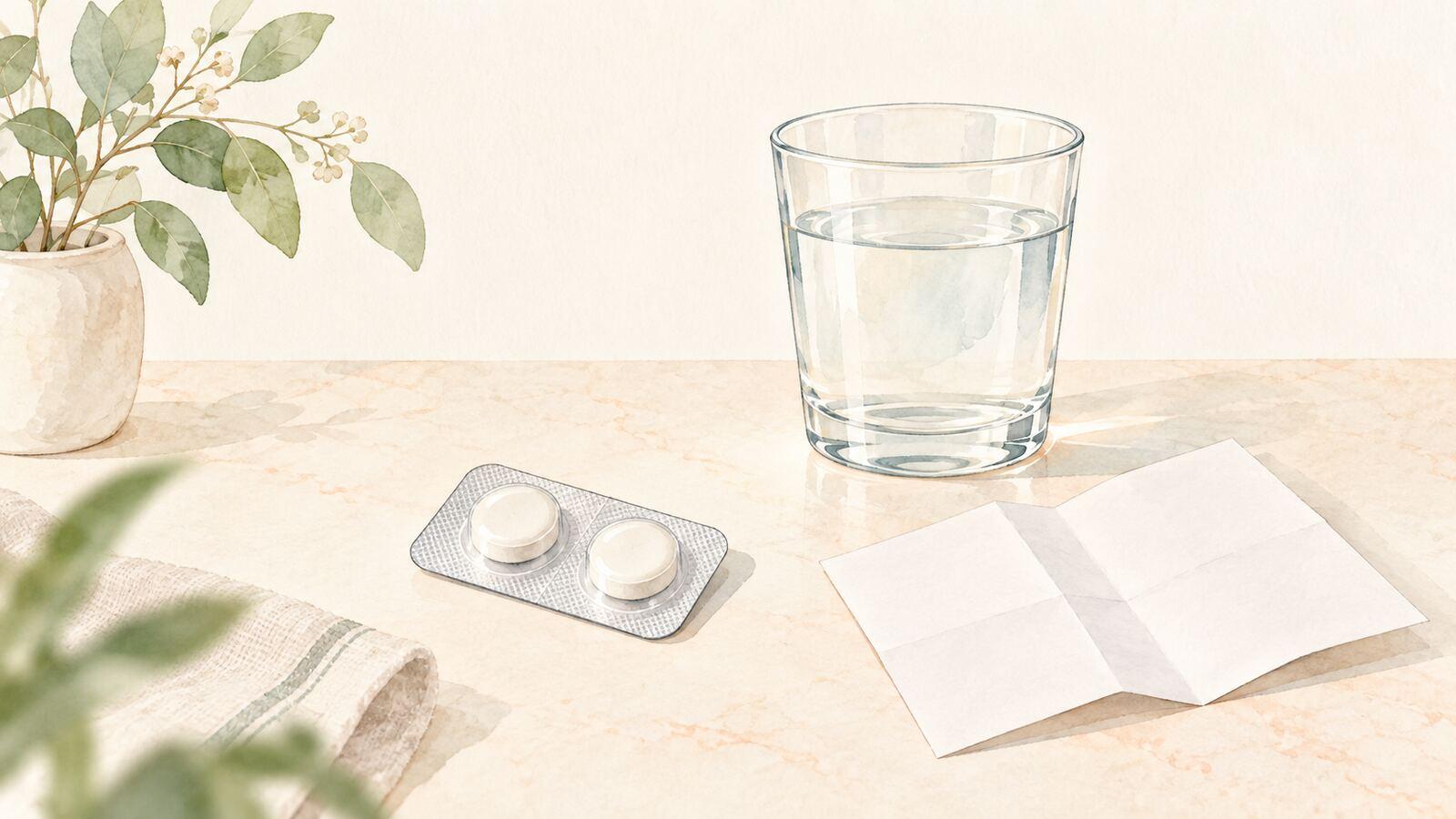
Read the packet or leaflet before changing how you use a lozenge. Record the exact brand, strength, regular or mini size, and any other nicotine medicine. If the leaflet is missing or unclear, a pharmacist can check the product you actually bought. Do not borrow the maximum number, starting strength, or taper calendar from another brand or country.
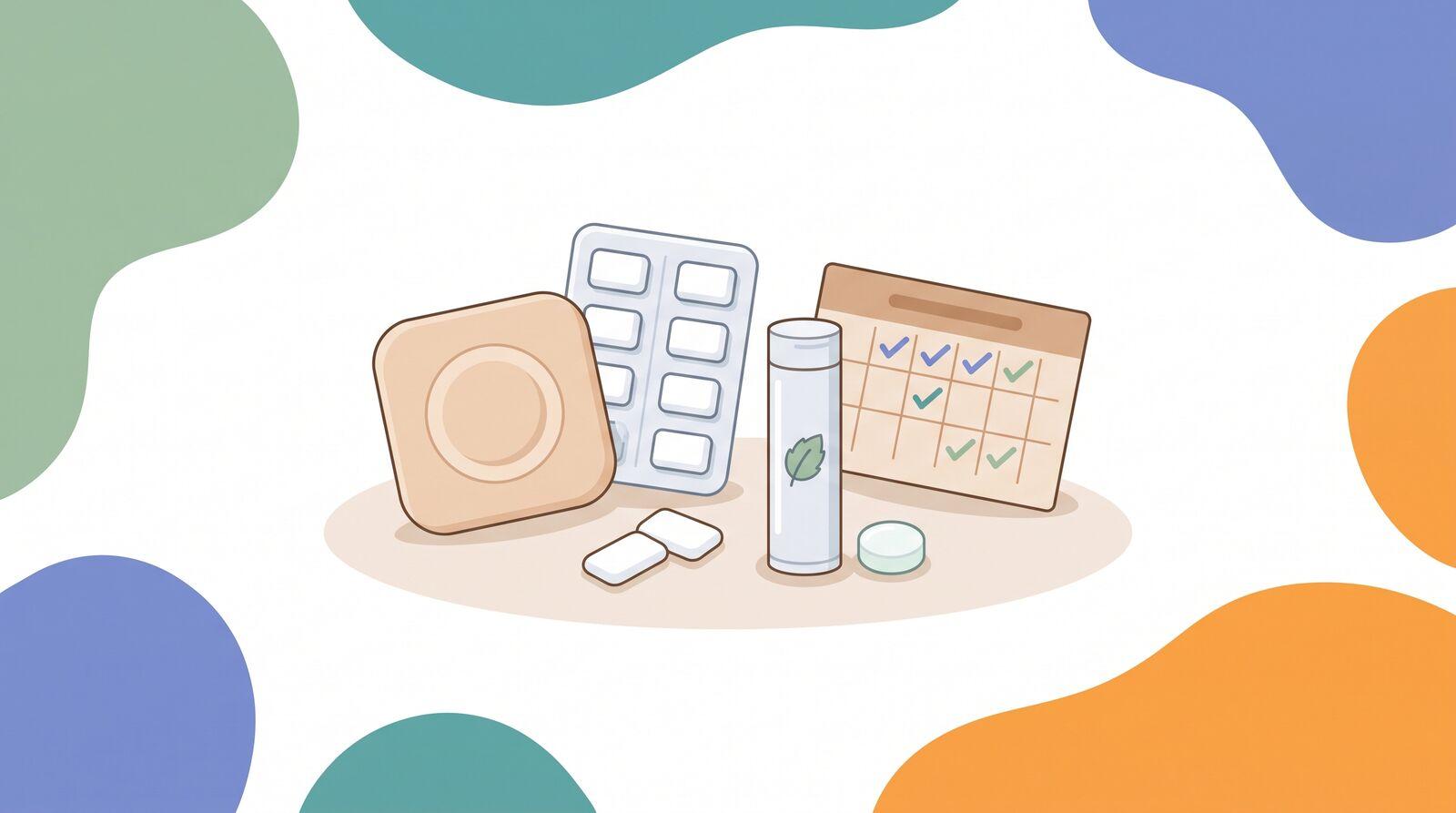
Our patch, gum and lozenge guide compares the forms. This article stays with the lozenge: what to do when it bothers your mouth, stomach or sleep, and how to keep the quit plan useful.
Common effects and the point where you ask for advice
The CDC lists nausea, hiccups, heartburn, sleep trouble, headache and cough as possible effects. It connects some of them with chewing, sucking or swallowing the lozenge, taking one right after another, or using a strength or interval that does not suit the person. A specific leaflet may list mouth or throat irritation and its own stop-use warnings. These effects are real, but a symptom list does not diagnose its cause. Heartburn, a sore throat or a headache can have other explanations.
Use the table as a way to describe what happened, not as permission to ignore a symptom.
| What you notice | What to check in your use | What to record or ask |
|---|---|---|
| Hiccups or heartburn | Did you chew, suck or swallow? Did you start a second lozenge immediately? | Note the product, timing and technique; ask a pharmacist if it continues despite following the leaflet |
| Nausea or stomach upset | How many lozenges, how close together, and what other nicotine did you use? | Stop adding more while checking the label; ask promptly if severe, persistent or paired with other worrying symptoms |
| Mouth or throat irritation | Where did you keep the lozenge? Did you let it dissolve slowly and move it occasionally? | Check your product's instructions and stop-use warnings; ask about persistent pain, sores or bleeding |
| Headache, cough or trouble sleeping | When did you use the lozenge, and did another nicotine source or a new illness coincide? | Write the timing and pattern; discuss recurring effects and product options with a pharmacist |
| Palpitations, irregular heartbeat or severe symptoms | Check the leaflet's urgent warnings; do not assume this is a routine technique issue | Stop use and seek medical advice according to the label; use emergency services for a severe emergency |
The CDC suggests trying a lower strength or a longer gap for some milder effects, but the right adjustment depends on the product and your smoking pattern. The point of a symptom log is to give a pharmacist enough detail to help choose. It is not a do-it-yourself dosing algorithm.
If you have a recent heart attack, a serious heart rhythm problem, serious or worsening angina, might be pregnant or are breastfeeding, or are under 18, the CDC says to speak with a healthcare professional before starting. Your own leaflet may add precautions. These are reasons to personalize the plan, not reasons to return to smoking. The CDC describes quit medicines as much safer than smoking.
A lozenge is not nicotine gum
The technique is the easiest mistake to fix. The CDC says to place one lozenge between gum and cheek, let it dissolve slowly, and move it from one side of the mouth to the other from time to time. Do not chew, suck, crush or swallow it. The CDC describes about 20 to 30 minutes to dissolve for its US instructions. Follow the timing printed on the particular product you have.
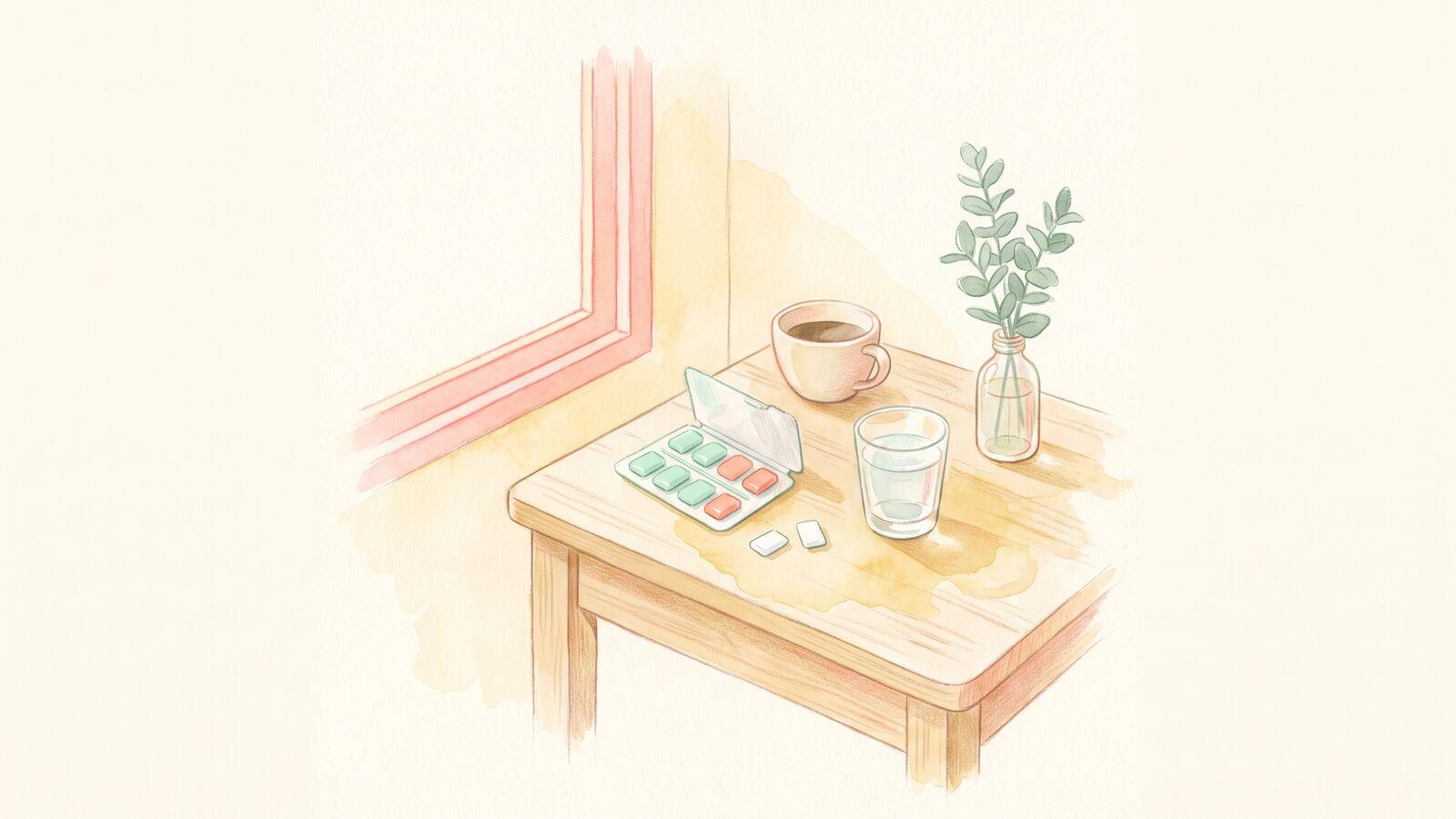
Food and drink also matter. The CDC advises nothing to eat or drink for 15 minutes before use or while the lozenge is in your mouth; coffee and soda are examples of acidic drinks that can interfere. Put the coffee down first, then use the lozenge according to the label. If you keep reaching for another because the first seemed ineffective, check this step and talk with a pharmacist before escalating.
Nicotine gum is different: it is chewed briefly and parked. Applying that rhythm to a lozenge is not the same thing. If gum is your product, our nicotine gum side effects guide explains its own technique. If a patch is part of your plan, patch side effects have different checks, especially skin and sleep.
A symptom log matched to your leaflet
Write down one episode in enough detail to let someone compare it with the actual instructions. A five-line note is more useful than “lozenges make me sick.” Try this format:
| Field | Example of what to record, without choosing a dose for anyone |
|---|---|
| Product | Brand, regular or mini, strength printed on your packet, leaflet version or country |
| Time and method | When you put it in, whether it dissolved slowly, whether you chewed or swallowed it, and when you ate or drank |
| Other nicotine | Patch, gum, cigarette, vape, pouch or another source that day, with times |
| Effect | Hiccups, nausea, mouth irritation or another symptom; start time, duration and intensity |
| Question | “Does this match the leaflet's technique or warning, and what should I change for this product?” |
For example, a note might say: “Mint mini lozenge, strength as on box; after coffee; chewed halfway through; hiccups started while it was still in my mouth; patch also used today.” That is a fictional structure, not a claim about a product or a recommended regimen. It tells the pharmacist what happened without pretending that hiccups prove one cause.
The journal in Smoke Tracker can hold the symptom and timing note next to your smoke-free count. If the hard part is craving rather than a side effect, the nicotine cravings guide covers ways to manage the moment. Keep the record short enough to use repeatedly.
Other nicotine sources and the quit plan
Tell the pharmacist about all nicotine sources. A patch plus a lozenge may be part of an intentional plan: the CDC describes a patch for steady nicotine and a lozenge for cravings that break through. That is different from stacking products without checking the plan. Do not assume that a schedule printed for lozenges used alone applies unchanged when a patch is involved.
A slip and a cigarette do not automatically mean abandoning the quit attempt. The CDC says a person who smokes while using a lozenge does not need to stop the lozenge solely because of the slip, but should resume the quit effort and continue the medicine as directed. Extra nicotine still belongs in your symptom record. Our guide to one cigarette after quitting addresses the next decision without turning one cigarette into a verdict on the whole attempt.
Keep lozenges away from children and pets. The CDC says even used lozenges can contain enough nicotine to make them sick. Wrap a removed lozenge and discard it immediately. If a child or pet uses or swallows one, contact a Poison Control Center right away; the CDC lists 1-800-222-1222 for the US. For a severe emergency such as collapse, seizure or difficulty breathing, use local emergency services.
What to ask a pharmacist next
Bring the box, leaflet and short log. Ask: “Is my technique correct for this particular lozenge?” “Could its strength or interval explain this pattern?” “How should I use it with my patch or other nicotine product?” “What warning on this packet means I should stop and seek care?” Those questions keep the conversation tied to your real product and real symptoms.
If the lozenge is uncomfortable despite correct use, ask about another flavor, size or nicotine-replacement form. Do not force yourself through persistent effects, but do not discard a quit plan without looking at the options. The CDC's comparative point is clear: nicotine quit medicines are far less harmful than continued cigarette smoking. The practical goal is a tolerable, correctly used plan that helps you stay smoke-free.
Check the exact leaflet, let the lozenge dissolve rather than chewing it, and log the timing and other nicotine. A pharmacist can use those details to separate a technique issue from a product or health concern.
Sources
Common questions
- Why do nicotine lozenges give me hiccups or heartburn?
- The CDC lists hiccups and heartburn among possible lozenge side effects and advises against chewing, sucking or swallowing the lozenge. It also warns against using one right after another. Check the instructions for your exact product, let a single lozenge dissolve slowly, and ask a pharmacist if the problem persists. Hiccups or heartburn can have other causes, so technique is a first check, not a diagnosis.
- What if a nicotine lozenge makes me nauseated?
- Nausea is a known side effect. Stop using more lozenges until you review the product directions and how many you have used, including any other nicotine. The CDC suggests a lower dose or longer interval as possibilities to discuss, and the package leaflet gives its specific warnings. If nausea is severe, persists, or appears with other concerning symptoms, seek medical advice.
- Can I chew a nicotine lozenge like gum?
- No. The CDC says to let a lozenge dissolve slowly while moving it from one side of the mouth to the other. Do not chew, suck, crush or swallow it. Nicotine gum uses a different chew-and-park technique, so do not transfer those instructions to a lozenge.
- Can I use a lozenge with a nicotine patch?
- The CDC describes combining a lozenge with a patch for breakthrough cravings. The right strength and frequency depend on your product and quit plan. Tell a pharmacist about every nicotine product you use rather than applying a schedule from another package.
- When should I get help for side effects?
- Follow your product leaflet's stop-use warnings. Ask promptly about severe or persistent mouth problems, severe indigestion, palpitations, or symptoms that suggest too much nicotine. If a child or pet uses or swallows a lozenge, contact a Poison Control Center immediately. A pharmacist can review milder recurring effects against the exact product and your other nicotine use.
This article is for informational purposes only and does not constitute medical advice. Health information is based on published research from organizations such as the CDC, WHO, and American Lung Association. Always consult a healthcare professional for personalized guidance on smoking cessation.