सुबह के 7:15 बजे हैं। आप अपनी पहली कॉफी डालते हैं, पहली चुस्की लेते हैं, और कहीं से भी आपका हाथ एक ऐसी सिगरेट के लिए बढ़ने लगता है जो वहां है ही नहीं। आप कई दिनों से, शायद कई हफ्तों से धूम्रपान मुक्त हैं, फिर भी ताज़ी बनी कॉफी की खुशबू ने आपके दिमाग को हाईजैक कर लिया है। अगर यह जाना-पहचाना लगता है, तो आप इसकी कल्पना नहीं कर रहे हैं। कॉफी और सिगरेट धूम्रपान की लत में सबसे गहराई से जुड़े हुए जोड़ों में से एक हैं, और इसके कारण आदत से कहीं आगे जाते हैं। अच्छी खबर यह है: एक बार जब आप कॉफी और सिगरेट के संबंध के जीव विज्ञान और मनोविज्ञान को समझ लेते हैं, तो आप इसे टुकड़े-टुकड़े कर सकते हैं और अपनी छोड़ने की यात्रा को छोड़े बिना अपनी सुबह की रस्म बनाए रख सकते हैं।
कैफीन और निकोटीन के बीच जैविक संबंध क्या है?
यह संबंध आपके लीवर से शुरू होता है। धूम्रपान नाटकीय रूप से लीवर के एक एंज़ाइम CYP1A2 की गतिविधि को बढ़ाता है, जो कैफीन के मेटाबोलिज्म के लिए मुख्य रूप से ज़िम्मेदार होता है। भारी धूम्रपान करने वालों में कैफीन शरीर से लगभग दोगुनी तेज़ी से साफ होता है, बनिस्बत उन लोगों के जो धूम्रपान नहीं करते। यही वजह है कि धूम्रपान करने वाले गैर-धूम्रपान करने वालों की तुलना में काफी अधिक कॉफी पीते हैं: उन्हें समान उत्तेजक प्रभाव पाने के लिए अधिक खुराक की ज़रूरत होती है। जब आप धूम्रपान छोड़ते हैं, तो एक हफ्ते के भीतर एंज़ाइम की गतिविधि सामान्य होने लगती है, और आपकी सामान्य दो या तीन कप कॉफी का कैफीन अचानक आप पर बहुत अधिक असर करने लगता है। वही मात्रा की कॉफी अब लगभग दोगुनी खुराक जैसी पहुंचाती है, जो घबराहट, तेज़ धड़कन, या चिंता के उभार जैसी महसूस हो सकती है। आपका दिमाग, जो सालों से उस शारीरिक अनुभूति को सिगरेट तक पहुंचने से जोड़ने का आदी है, उस झटके को तलब के संकेत के रूप में समझता है।
साथ ही, कैफीन और निकोटीन दोनों केंद्रीय तंत्रिका तंत्र पर काम करते हैं, और उनके प्रभाव इस तरह से ओवरलैप होते हैं कि यह जोड़ी और मज़बूत हो जाती है। दोनों डोपामाइन, नॉरपेनेफ्रीन, और कोर्टिसोल के स्राव को उत्तेजित करते हैं। निकोटीन कैफीन की घबराहट भरी धार को कम करता है, और कैफीन निकोटीन द्वारा दी गई सतर्कता को तेज़ करता है। सालों के दैनिक उपयोग के बाद, दिमाग दोनों रसायनों को एक साथ की उम्मीद करना सीख जाता है, और एक की मौजूदगी दूसरे के लिए एक न्यूरोलॉजिकल अनुरोध बन जाती है।
आपकी सुबह की कॉफी तलब का बटन इतनी ज़ोर से क्यों दबाती है?
क्रॉस-क्यू रिएक्टिविटी वह घटना है जहां एक व्यसनकारी संकेत के संपर्क में आने से दूसरे के लिए तलब अपने आप सक्रिय हो जाती है। शोधकर्ताओं ने उन धूम्रपान करने वालों में इस प्रभाव को बार-बार दर्ज किया है जो कॉफी को सिगरेट से जोड़ते हैं। जर्नल ऑफ एब्नॉर्मल साइकोलॉजी में प्रकाशित एक अध्ययन में पाया गया कि हाल ही में धूम्रपान छोड़ने वालों में सिर्फ कॉफी सूंघने से धूम्रपान की इच्छा बढ़ गई, भले ही वास्तव में कोई कैफीन रक्तप्रवाह में न पहुंचा हो। अकेली खुशबू ही दिमाग के तलब सर्किट को सक्रिय करने के लिए काफी थी।
यह इसलिए होता है क्योंकि शास्त्रीय कंडीशनिंग बार-बार की गई जोड़ियों को एक ही घटना के रूप में मानती है। अगर आपने दस साल अपने पिछले बरामदे में सिगरेट के साथ कॉफी पीते हुए बिताए, तो आपके दिमाग ने "कॉफी" और "सिगरेट" को दो अलग यादों के रूप में संग्रहीत नहीं किया। इसने उन्हें एक ही बंडल अनुभव के रूप में संग्रहीत किया। बंडल के एक टुकड़े को खींचने से बाकी अपने आप फिर से सक्रिय हो जाते हैं। न्यूरोइमेजिंग दिखाती है कि पूर्व धूम्रपान करने वालों में कॉफी से जुड़े संकेत उन्हीं स्ट्राइटल और प्रीफ्रंटल क्षेत्रों को रोशन करते हैं जो सीधे निकोटीन की तलब में शामिल होते हैं। खुशबू, गर्माहट, स्वाद, यहां तक कि कॉफी मशीन की गुड़गुड़ाहट की आवाज़, ये सब एक ट्रिगर का काम कर सकते हैं, यही वजह है कि धूम्रपान छोड़ने के पहले हफ्तों में सुबह अनुपातहीन रूप से खतरनाक महसूस होती है।
क्या यह कैफीन खुद है या रस्म?
यह मुख्य प्रश्न है, क्योंकि जवाब आपकी रणनीति बदल देता है। शोध बताते हैं कि यह ज़्यादातर रस्म है, और कैफीन खुद का योगदान छोटा लेकिन वास्तविक है।
पूर्व धूम्रपान करने वालों पर डिकैफ़िनेटेड कॉफी के अध्ययन में पाया गया कि तलब का उभार नियमित कॉफी जितना ही मज़बूत था, जो बताता है कि कंडीशन्ड एसोसिएशन मुख्य वजह है। खुशबू, आपके हाथ में मग की गर्माहट, पीते समय आप जो मुद्रा अपनाते हैं, दिन का समय, जगह, ये सब कैफीन के अणु से स्वतंत्र रूप से संकेतों का काम करते हैं। दूसरी तरफ, कैफीन सीधे तौर पर भी योगदान देता है: यह हृदय गति और सतर्कता को इस तरह बढ़ाता है जो निकोटीन के शारीरिक हस्ताक्षर की नकल करता है, यही वजह है कि कभी-कभी चाय या एनर्जी ड्रिंक भी तलब जगा सकती है।
व्यावहारिक निष्कर्ष: तलब रोकने के लिए आपको ज़रूरी नहीं कि कॉफी छोड़नी पड़े। आपको रस्म के बंडल को तोड़ना होगा। आप अपनी कॉफी कैसे और कहां पीते हैं, उसके छोटे-छोटे टुकड़ों को भी बदलने से एसोसिएशन अर्थपूर्ण रूप से कमज़ोर हो सकता है।
कौन सी रणनीतियां आपको धूम्रपान किए बिना कॉफी पीने में मदद करती हैं?
सुबह की दिनचर्या में छोटे, जानबूझकर किए गए बदलाव इच्छाशक्ति से बेहतर काम करते हैं। लक्ष्य संवेदी अनुभव को अलग-अलग करना है ताकि आपका दिमाग कॉफी को सिगरेट के संकेत के रूप में समझना बंद कर दे।
जहां पीते हैं, वह जगह बदलें। अगर आप हमेशा बरामदे पर, पिछली सीढ़ी पर, या एक खास कुर्सी पर कॉफी पीते थे, तो जगह बदलें। रसोई के काउंटर पर, कैफे में, टहलते हुए पिएं। नई जगह, नया संदर्भ, कमज़ोर ट्रिगर।
कप बदलें। अपने सामान्य मग की जगह कोई और मग लें। ट्रैवल टम्बलर, गिलास, छोटा एस्प्रेसो कप इस्तेमाल करें। यह तुच्छ लगता है, लेकिन कप का भौतिक संभालना कंडीशन्ड क्यू बंडल का हिस्सा है।
पहली कप छोटी करें। खतरे का क्षेत्र आमतौर पर दिन की लंबी, धीमी पहली कॉफी होती है, वही जो पहले एक या दो सिगरेट के साथ जुड़ी हुई थी। पहली कप तेज़ी से पिएं, या छोटी बनाएं, और आनंद लेने का काम सुबह बाद के लिए बचाएं, जब तलब की खिड़की गुज़र चुकी हो।
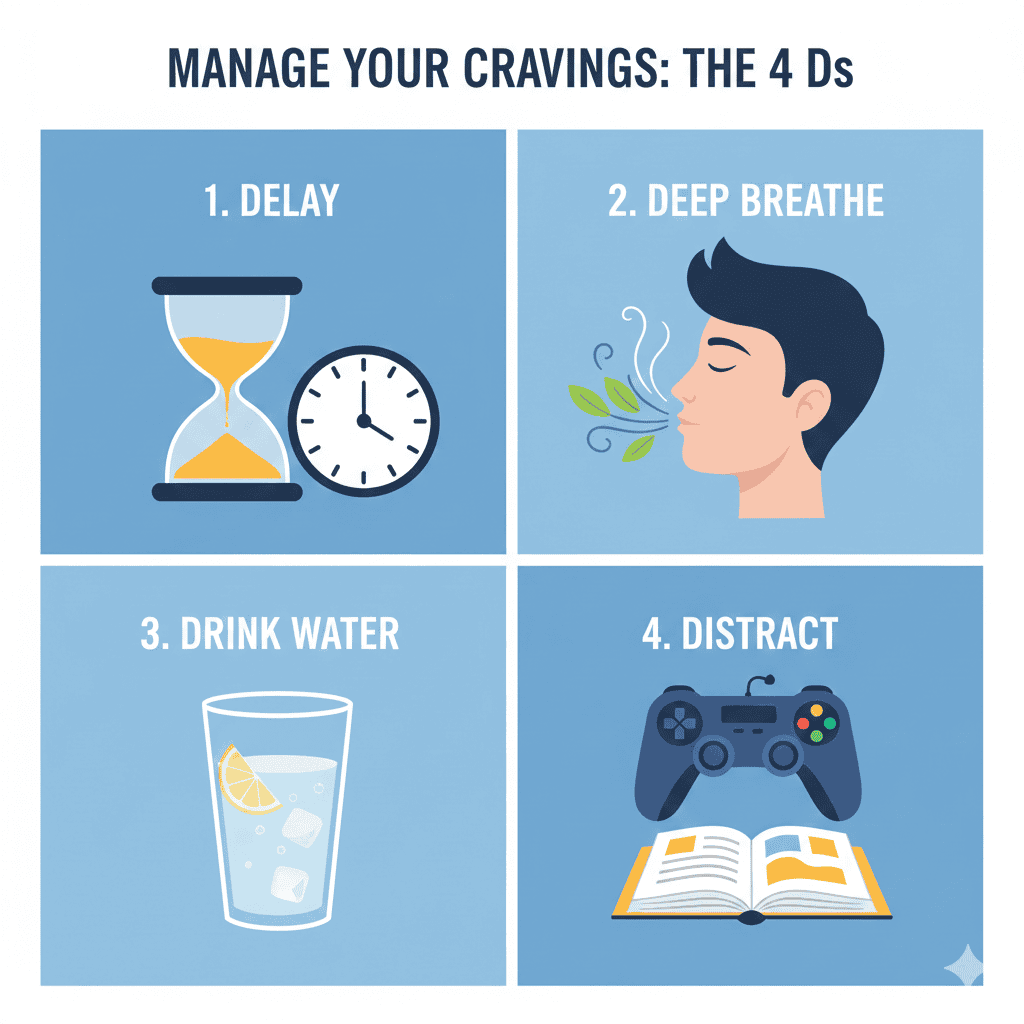
अपने हाथों को व्यस्त रखें। तलब आंशिक रूप से शारीरिक होती है। पेन पकड़ें, फल का एक टुकड़ा खाएं, स्ट्रेच करें, फोन पर स्क्रॉल करें, किसी फ़िजेट चीज़ से खेलें। लक्ष्य उस हाथ को उन्हीं मिनटों में व्यस्त रखना है जो पहले सिगरेट पकड़ता था।
कॉफी को किसी नई गतिविधि के साथ जोड़ें। किताब पढ़ें, क्रॉसवर्ड करें, स्ट्रेच करें, अपने पुराने धूम्रपान स्थान पर रुके बिना ताज़ी हवा के लिए बाहर निकलें। उसी भावनात्मक जगह में एक नया एसोसिएशन बनाएं जो पहले धूम्रपान से भरी थी।
अस्थायी रूप से अपना पेय बदलने पर विचार करें। कुछ पूर्व धूम्रपान करने वालों को लगता है कि पहले दो या तीन हफ्तों के लिए कॉफी की जगह चाय, माचा, या कम कैफीन वाला विकल्प लेने से संवेदी लूप इतना टूट जाता है कि एसोसिएशन रीसेट हो जाए। आप बाद में अपनी नियमित कॉफी पर लौट सकते हैं, अक्सर बिना तलब के वापस आए।
क्या धूम्रपान छोड़ते समय आपको कैफीन कम कर देनी चाहिए?
हां, शायद आपकी सोच से भी ज़्यादा। क्योंकि आपका CYP1A2 एंज़ाइम धीमा हो रहा है, अब उतनी ही कॉफी लगभग दोगुनी प्रभावी कैफीन खुराक पहुंचाएगी। अमेरिकन फैमिली फिजिशियन जर्नल ने नोट किया है कि पूर्व धूम्रपान करने वालों को ओवरस्टिमुलेशन से बचने के लिए धूम्रपान छोड़ने के पहले हफ्तों में कैफीन का सेवन लगभग 50% कम करने पर विचार करना चाहिए। अगर आप ऐसा नहीं करते, तो अतिरिक्त कैफीन ये ट्रिगर कर सकता है:
- घबराहट और बेचैनी जो निकोटीन विदड्रॉल की नकल करती है और तलब के रूप में गलत समझी जाती है
- बढ़ी हुई चिंता, जो खुद एक बड़ा तलब ट्रिगर है
- नींद में बाधा, जो अगले दिन तलब को और खराब करती है
- दिल की धड़कन में अनियमितता जो चिंताजनक लगती है और विरोधाभासी "शांतिदायक" के रूप में आपको सिगरेट की ओर भेज सकती है
अपना सेवन आधा करना स्थायी होने की ज़रूरत नहीं है। एक बार जब आपके एंज़ाइम स्तर स्थिर हो जाते हैं और शुरुआती विदड्रॉल खिड़की बंद हो जाती है, आमतौर पर दो से चार हफ्तों के भीतर, तो अगर आप चाहें तो धीरे-धीरे अपने पिछले कैफीन स्तर पर लौट सकते हैं। कई पूर्व धूम्रपान करने वाले पाते हैं कि अपनी आधारभूत सतर्कता ठीक होने के बाद वे स्वाभाविक रूप से कम कॉफी पसंद करते हैं।
सुबह में तलब चरम पर क्यों होती है?
सुबह लगभग हर पूर्व धूम्रपान करने वाले के लिए सबसे अधिक जोखिम वाली खिड़की होती है, और कॉफी पहले से लदे हुए क्षण को और बढ़ा देती है। एक ही समय में कई ताकतें एक साथ जमा हो जाती हैं।
कोर्टिसोल, आपके शरीर का मुख्य तनाव हार्मोन, जागने के 30 से 45 मिनट के भीतर चरम पर होता है। कोर्टिसोल निकोटीन तलब की तीव्रता से गहराई से जुड़ा है, और सुबह का प्राकृतिक उभार अच्छी तरह से प्रबंधित छोड़ने को भी हिलाने के लिए काफी है। इसके ऊपर कैफीन मिलाइए, जो कोर्टिसोल को और बढ़ाता है, और आपके पास एक शारीरिक प्रोफ़ाइल है जो प्रारंभिक निकोटीन विदड्रॉल की आंतरिक स्थिति से मेल खाती है। आपका दिमाग इस संयोजन को पढ़ता है और जाना-पहचाना "अब धूम्रपान करो" संकेत भेजता है।
इसके ऊपर, आपका रात भर का रक्त निकोटीन स्तर 24 घंटे के चक्र में सबसे कम था, इसलिए आपकी सुबह की पहली तलब दिन की सबसे मज़बूत होती थी। वह याद अभी भी कोडित है। छोड़ने के हफ्तों बाद भी, दिमाग उस सटीक समय पर राहत की उम्मीद करता है, और अगर आप गर्म कॉफी का कप पकड़े हुए हैं, तो वह विशेष रूप से तभी उसकी उम्मीद करता है। यह चरम आकस्मिक नहीं है। यह जीव विज्ञान और सीखे हुए व्यवहार की एक अनुमानित टक्कर है, और यह जानना आपको आश्चर्यचकित होने के बजाय इसके लिए योजना बनाने देता है।
खासकर सुबह की खिड़की पर अधिक जानकारी के लिए, धूम्रपान करने वालों में सुबह की चिंता पर हमारा लेख देखें।
कॉफी-सिगरेट तलब कितने समय तक रहती है?
अधिकांश लोगों के लिए, तीव्रता धूम्रपान छोड़ने के बाद पहले एक से दो हफ्तों में चरम पर होती है और फिर चौथे हफ्ते तक स्पष्ट रूप से कम हो जाती है। पूर्व धूम्रपान करने वालों में क्यू रिएक्टिविटी पर शोध दिखाता है कि धूम्रपान से जुड़े संकेतों, जिनमें कॉफी शामिल है, के प्रति कंडीशन्ड प्रतिक्रियाएं निरंतर संयम के तीन से छह महीनों के भीतर काफी कमज़ोर हो जाती हैं, बशर्ते व्यक्ति बार-बार खुद को पूरे मूल बंडल में फिर से न डाल रहा हो। दूसरे शब्दों में, हर सुबह जब आप बिना सिगरेट के अपनी कॉफी पीते हैं, एसोसिएशन थोड़ा कमज़ोर होता है। कुछ महीनों के निरंतर अलगाव के बाद, तलब लगभग पूरी तरह से गायब हो सकती है, और कॉफी फिर से बस कॉफी बन जाती है।
जैसा पहले बताया गया, रस्म को जानबूझकर बाधित करके समयरेखा को तेज़ किया जा सकता है। इसे उसी सटीक दिनचर्या पर अड़कर धीमा भी किया जा सकता है, इस उम्मीद में कि तलब पहले हार मान लेगी। दिमाग दोनों दिशाओं में दोहराव के ज़रिए सीखता है, इसलिए जितनी तेज़ी से आप एक नई कॉफी रस्म बनाते हैं, उतनी ही तेज़ी से पुरानी मिटती है।
Smoke Tracker कॉफी-सिगरेट के संबंध को तोड़ने में आपकी कैसे मदद कर सकता है?
अधिकांश पूर्व धूम्रपान करने वाले यह कम आंकते हैं कि उनकी कितनी तलब विशिष्ट समय और गतिविधियों के आसपास जमा होती हैं, खासकर सुबह में। ट्रैकिंग उस अदृश्य पैटर्न को किसी ऐसी चीज़ में बदल देती है जिस पर आप वास्तव में काम कर सकते हैं।
- Craving Log: हर तलब का समय, स्थान, और संदर्भ रिकॉर्ड करें ताकि यह देख सकें कि क्या आपके सबसे कठिन क्षण सचमुच सुबह की कॉफी खिड़की हैं, या कहीं दूसरे ट्रिगर सामने ही छिपे हैं।
- Health Timeline: दिन-प्रतिदिन अपने फेफड़े, हृदय, और स्वाद के ठीक होने के मील के पत्थर जमा होते देखें, जो आपकी सुबह को जश्न मनाने का एक नया कारण देते हैं जो सिगरेट से जुड़ा नहीं है।
- Money Saved: सिगरेट के पैसे बेहतर कॉफी की ओर मोड़ें: एक अच्छी ग्राइंडर, एक अच्छी एस्प्रेसो मशीन, दिलचस्प कैफे की यात्राएं। एक कॉफी रस्म बनाएं जो आपके छोड़ने का जश्न मनाए, न कि उसकी यादगार हो।
कॉफी का मतलब सिगरेट होना ज़रूरी नहीं है। यह जोड़ी सीखी गई थी, जिसका मतलब है कि इसे भुलाया भी जा सकता है, और पहली सुबह जब आप पैकेट तक पहुंचे बिना अपनी कप खत्म करते हैं, वह एक ऐसी नई रस्म की पहली सुबह है जो पूरी तरह से आपकी अपनी है।
स्रोत
- American Family Physician. "Smoking Cessation: Pharmacologic Options." aafp.org
- Clinical Pharmacology & Therapeutics. "Effects of smoking and smoking cessation on CYP1A2 enzyme activity." pubmed.ncbi.nlm.nih.gov
- Journal of Abnormal Psychology. "Cue reactivity to coffee and smoking in former smokers." apa.org
- Centers for Disease Control and Prevention. "Quit Smoking: Managing Cravings." cdc.gov
- Mayo Clinic. "Nicotine Dependence: Symptoms and Causes." mayoclinic.org
यह लेख केवल सूचनात्मक उद्देश्यों के लिए है और यह चिकित्सा सलाह नहीं है। स्वास्थ्य संबंधी जानकारी CDC, WHO और American Lung Association जैसे संगठनों के प्रकाशित शोध पर आधारित है। धूम्रपान छोड़ने के बारे में व्यक्तिगत मार्गदर्शन के लिए हमेशा किसी स्वास्थ्य विशेषज्ञ से परामर्श करें।