दिन 14 के लिए कोई पार्टी नहीं देता। पहला हफ़्ता जंग के क़िस्से बटोरता है, दिन 30 को गोल संख्या मिलती है, और दो हफ़्तों का निशान बिना जश्न के गुज़र जाता है, आमतौर पर इसलिए कि उसे जी रहा इंसान थका हुआ है, हल्का सा ऊबा हुआ है, और मन ही मन शक कर रहा है कि अब शायद कुछ ख़ास हो ही नहीं रहा।
फिर भी, अगर क्विट इस बात से आँके जाते कि वे कहाँ जीते और कहाँ हारे जाते हैं, तो दो हफ़्ते शायद कैलेंडर की सबसे अहम तारीख़ होते। रिलैप्स के आँकड़े, दिमाग़ का रसायन और लक्षणों के वक्र, सब ठीक यहीं मुड़ते हैं। यहाँ देखिए कि दिन 14 अंदर से असल में कैसा दिखता है: क्या सचमुच ठीक हो चुका है, क्या सिर्फ़ अधूरा महसूस होता है, और अब शुरू होने वाला ख़ामोश, अजीब खेल कैसे खेला जाए।
रसायन का काम पूरा है। अनुकूलन का नहीं
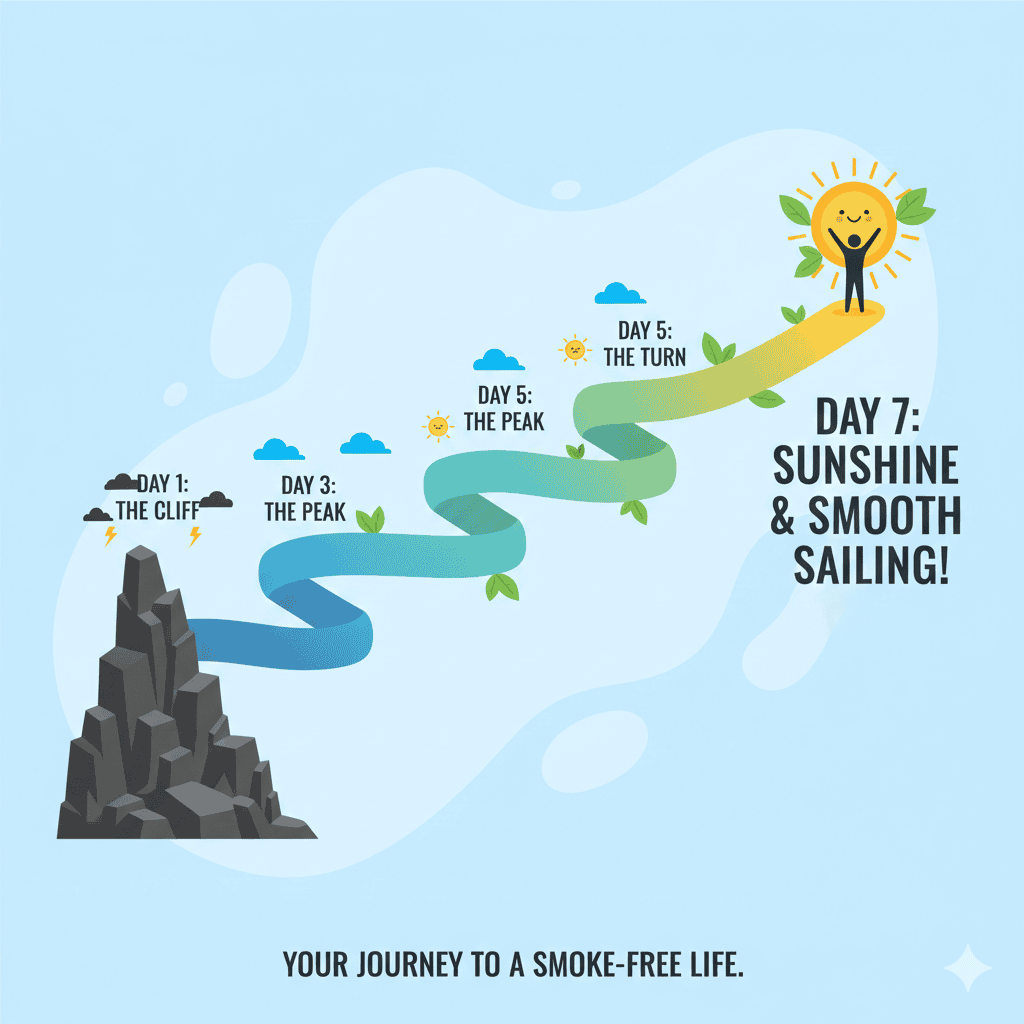
शुरुआत उससे कीजिए जो ख़त्म हो चुका है। निकोटीन ख़ुद आपकी आख़िरी सिगरेट के लगभग 72 घंटों के भीतर ख़ून से साफ़ हो गया, और कोटिनीन, वह मेटाबोलाइट जिसे पेशाब और लार के टेस्ट असल में मापते हैं, लगभग एक हफ़्ते से दस दिनों में पीछे-पीछे निकल गया। दिन 14 तक किसी सामान्य टेस्ट को कुछ नहीं मिलेगा। उस सफ़ाई पर टिकी तीव्र वापसी भी अपना चाप पूरा कर चुकी है: दिन 3 के आसपास चरम पर पहुँचे लक्षण, सिरदर्द, चिड़चिड़ापन, बेचैनी, एकाग्रता की चूकें, दस्तावेज़ों के मुताबिक़ दूसरे से चौथे हफ़्ते के बीच काफ़ी हद तक सुलझ जाते हैं, और ज़्यादातर लोग महसूस कर सकते हैं कि सबसे बुरा साफ़ तौर पर पीछे छूट गया है। लक्षणों की पूरी टाइमलाइन हर एक को विस्तार से नक़्शे पर रखती है।
तो यह ख़त्म हुआ क्यों महसूस नहीं होता? क्योंकि अनुकूलन की परत रासायनिक परत से धीमी है। सालों के धूम्रपान ने आपके दिमाग़ को अतिरिक्त निकोटिनिक एसिटाइलकोलीन रिसेप्टर उगाने पर धकेल दिया, वे डॉकिंग स्टेशन जिनसे निकोटीन जुड़ता है। परहेज़ कर रहे धूम्रपान करने वालों की रिसेप्टर इमेजिंग दिखाती है कि उपलब्धता दो हफ़्तों पर अब भी बढ़ी हुई है, एक महीने के निशान तक टिकी रहती है, और छह से बारह हफ़्तों के बीच ही गैर-धूम्रपान करने वाले के स्तर पर लौटती है। सीधी भाषा में: आपके शरीर को कुछ नहीं चाहिए, लेकिन आपका दिमाग़ अब भी उस डिलीवरी के लिए तारों से जुड़ा है जो आनी बंद हो गई। यही बेमेल, साफ़ ख़ून और इंतज़ार करती वायरिंग, दूसरे हफ़्ते की पहचान-भावना है, और इस दौर की लगभग हर अजीब चीज़ को यही समझाता है।
दिन 14 तक असल में क्या ठीक हो चुका है
शोर वाली रिकवरी पहले हफ़्ते की थी: कार्बन मोनोऑक्साइड एक दिन के भीतर गया, ऑक्सीजन की आपूर्ति बहाल हुई, हृदय गति और रक्तचाप बैठे। दूसरा हफ़्ता वह है जब ढाँचे का काम खुलता है।
रक्त संचार। आप उस दो से बारह हफ़्तों की खिड़की में दाख़िल हो रहे हैं जिसमें रक्त वाहिकाओं का कामकाज मापने योग्य रूप से सुधरता है। परिधीय रक्त संचार के लौटने के साथ हाथ-पैर ज़्यादा गर्म रहते हैं, और चलना, सीढ़ियाँ और वर्कआउट ऐसे कारणों से आसान लगने लगते हैं जिन्हें एक स्टॉपवॉच सत्यापित कर सकती है।
फेफड़े। दो हफ़्तों का निशान वह खिड़की खोलता है, लगभग तीन महीने तक चलती हुई, जिसमें फेफड़ों की कार्यक्षमता अपनी दर्ज चढ़ाई शुरू करती है। धूम्रपान ने जिन सिलिया को लक़वा मार दिया था, वे लगभग दूसरे हफ़्ते से दोबारा उगने लगते हैं, जो छोड़ने के महान विरोधाभासों में से एक पैदा करता है: हो सकता है आप कुछ समय के लिए कम नहीं, ज़्यादा खाँसें, क्योंकि आपके फेफड़े सालों का जमा मलबा बुहारना शुरू कर देते हैं। अगर इस दौर में जकड़न, गले में ख़राश या थका-थका महसूस होना भी जुड़ा है, तो इस गुच्छे का एक नाम है, स्मोकर्स फ़्लू, और यह ठीक इन्हीं हफ़्तों में चरम पर पहुँचकर गुज़र जाता है।
स्वाद और गंध। धुएँ ने जिन तंत्रिका सिरों को दबा रखा था, वे पहले दिनों से ही दोबारा बन रहे हैं, और दो हफ़्तों तक बदलाव साफ़ नज़र आता है। खाने में फिर से गहराई है। यह आमतौर पर पहला फ़ायदा है जिसे छोड़ने वाले महज़ चिकित्सकीय नहीं, आनंददायक बताते हैं।
नींद। पहले हफ़्ते की टूटी रातें फिर से जुड़ रही हैं, नींद का ढाँचा आमतौर पर तीसरे-चौथे हफ़्ते के आसपास सामान्य होता है। दो आमदों की शांत उम्मीद रखिए: अनिद्रा की पूँछ दूसरे हफ़्ते को छू सकती है, और REM नींद के लौटने के साथ जीवंत धूम्रपान के सपने अक्सर अब शुरू होते हैं। दोनों रिकवरी की उपज हैं, चेतावनी नहीं।
दूसरा हफ़्ता जीत के बजाय सपाट क्यों महसूस होता है
दिन 14 के भावनात्मक मौसम की चेतावनी लगभग कोई नहीं देता, इसलिए वह अपने पूर्वानुमान का हक़दार है: धूसर।
निकोटीन हर सिगरेट के साथ डोपामीन उछालता था, और आपके दिमाग़ ने अपनी ही इनाम प्रणाली को धीमा करके भरपाई की। निकोटीन चला गया; धीमापन टिका हुआ है। दूसरे और तीसरे हफ़्ते में बेसलाइन डोपामीन सिग्नलिंग अब भी दबी हुई है, इसलिए रोज़मर्रा के सुख अजीब तरह से फीके लग सकते हैं, और शुरुआती रिकवरी की थकान अब भी किनारों पर खींच सकती है। इस बीच वह नाटक ख़त्म हो चुका है जिसने पहले हफ़्ते को लड़ाई जैसा बनाया था, और दिखने वाले इनाम अभी हफ़्तों दूर हैं। आप दो कहानियों के बीच में हैं, और कहानियों के बीच का हिस्सा उबाऊ होता है। ऊब, पीड़ा नहीं, दूसरे हफ़्ते का ख़ास जोखिम है।
यह सब कहाँ जाता है, इस पर सबूत सचमुच तसल्ली देने वाले हैं: एक BMJ मेटा-विश्लेषण ने पाया कि छोड़ चुके लोग धूम्रपान के दौर की तुलना में कम चिंता, अवसाद और तनाव पर पहुँचते हैं, एंटीडिप्रेसेंट इलाज के बराबर बढ़त के साथ। लेकिन वक्र पहले इसी धूसर इलाक़े से गुज़रता है, और व्यावहारिक नियम है स्नैपशॉट नहीं, दिशा। वापसी वाली सपाटी दो से चार हफ़्तों के भीतर उठनी शुरू होनी चाहिए। हमारे साथी ऐप AnxietyPulse के साथ 30 सेकंड का दैनिक मूड चेक-इन हफ़्तों के पैमाने पर दिशा को दिखने लायक़ बना देता है, ठीक वही पैमाना जिस पर आपकी याददाश्त सबसे कमज़ोर आँकती है। अगर चार हफ़्तों के निशान के बाद रेखा चढ़ने के बजाय गिर रही है, तो छोड़ने के बाद अवसाद पढ़िए और डेटा लेकर डॉक्टर के पास जाइए।
सबसे ख़तरनाक ज़मीन आपके पीछे है
यह वह आँकड़ा है जिसे आपके पूरे पखवाड़े की तस्वीर बदल देनी चाहिए: बिना इलाज छोड़ने वालों के अध्ययन दिखाते हैं कि रिलैप्स वक्र बिल्कुल शुरुआत में सबसे तीखा होता है, और ज़्यादातर नाकाम कोशिशें दिन 14 तक ख़त्म हो चुकी होती हैं। छोड़ने की लगभग तीन चौथाई कोशिशें छह महीने से पहले ढह जाती हैं, और उन ढहनों का बड़ा हिस्सा ठीक उसी दौर में ठुँसा है जिसे आपने अभी-अभी पार किया है।
लगातार परहेज़ की जो सीढ़ी इस ब्लॉग की पड़ाव शृंखला में चलती है, वह यहीं से शुरू होती है। जिन लोगों का क्विट एक महीने से कम चला था, उनमें से लगभग 12 प्रतिशत आगे लंबे समय तक छोड़े रहे। एक से तीन महीने: 25 प्रतिशत। तीन से छह: 52 प्रतिशत। छह से बारह: 59 प्रतिशत। एक साल के पार: लगभग 95 प्रतिशत। दिन 14 से पढ़ी जाए तो यह सीढ़ी फ़ैसला नहीं, रास्ता है: हर पायदान पर पहुँचना आपकी हैसियत लगभग दोगुनी कर देता है, और अगला पायदान आपसे सिर्फ़ दो हफ़्तों के मामूली दिनों की दूरी पर है।
हालाँकि ख़तरे की शक्ल बदल गई है। दो हफ़्तों पर कोई इसलिए रिलैप्स नहीं करता कि वापसी ने उसे तोड़ दिया; वापसी लगभग निपट चुकी है। लोग प्रयोग से रिलैप्स करते हैं। तर्क आत्मविश्वास के लिबास में आता है: 'मुश्किल हिस्सा ख़त्म, मैंने साबित कर दिया कि मैं छोड़ सकता हूँ, ख़ुद को परखने की एक सिगरेट कुछ नहीं बदलती।' छोड़ने के बाद एक सिगरेट पर सबूत इस मामले में बेरहम हैं: क्विट के दौरान एक अकेली सिगरेट पूर्ण रिलैप्स के सबसे मज़बूत संकेतकों में बनी रहती है। और ज़्यादातर प्रयोगों का मंच पहले से पता है, क्योंकि शराब सबसे मज़बूत क्रॉस-ट्रिगर है: आवेग नियंत्रण नीचे, पुराने साहचर्य ऊपर, मेज़ पर कोई पैकेट लिए बैठा। अगर आगे कोई सामाजिक वीकेंड है, तो पहुँचने से पहले तय कर लीजिए कि आप क्या कहेंगे और क्या पिएँगे, बाद में नहीं।
दिन 14 पर तलब की प्लेबुक
दो हफ़्तों तक तलब मौसम से बदलकर घात बन चुकी है। पहले दिनों की लगातार पृष्ठभूमि वाली चाहत मिट गई है; जो बचा है वह मुट्ठी भर तेज़, संकेत-जनित उछालें हैं, हर एक लगभग तीन से पाँच मिनट की, जिन्हें पहली कॉफ़ी, खाने का अंत, कोई तनाव भरा फ़ोन, एक ड्रिंक, एक ड्राइव दाग़ता है।
प्लेबुक एक कार्ड पर समा जाती है। टालिए, क्योंकि उछाल पाँच मिनट के भीतर अपने आप मर जाती है। हिलिए, क्योंकि कमरा बदलना या तेज़ चहलक़दमी उस संकेत को काट देती है जिसने उसे दाग़ा। साँस लीजिए, क्योंकि लगभग छह साँस प्रति मिनट की धीमी, नियंत्रित साँस तंत्रिका तंत्र पर आपका सबसे तेज़ लीवर है: हमारा साथी ऐप Flow Breath ठीक उसी 90 सेकंड के हस्तक्षेप को उन पलों के लिए पैक करता है जब लहर टकराती है। और दर्ज कीजिए, क्योंकि इस चरण में ज़्यादातर तलब तीन-चार दोहराए जाने वाले अपराधियों से आती है, और अपने अपराधियों को जानना रहस्य को समय-सारणी में बदल देता है। लंबा चाप, मिनटों के फ़ासले से दिनों के फ़ासले से ग़ायब होने तक, तलब कितने समय तक रहती है में नक़्शे पर है।
प्लेबुक की एक बात और: अगर आपने पैच, गम या किसी प्रिस्क्रिप्शन के सहारे छोड़ा है, तो जारी रखिए। NRT गाइड बताती है कि इलाज को जल्दी रोक देना, ठीक तब जब आप बेहतर महसूस करने लगते हैं, दूसरे हफ़्ते की क्लासिक बिना वजह की ग़लतियों में से क्यों है।
तीसरे हफ़्ते में क्या करें
पैसे को दिखने लायक़ बनाइए। औसत अमेरिकी क़ीमतों पर रोज़ एक पैकेट पीने वाले के खाते में दिन 14 तक लगभग $110 जमा हैं, ब्रिटेन में क़रीब £200, और ऑस्ट्रेलिया में लगभग AU$560। अपने आँकड़े बचत के हिसाब में चलाइए और कुल रक़म को किसी ख़ास चीज़ के नाम कर दीजिए, क्योंकि नाम वाला पैसा क्विट की रक्षा उस पैसे से कहीं बेहतर करता है जो बजट में घुल जाता है।
भूख को जानबूझकर खिलाइए। भूख बढ़ी हुई है और आपके हाथ किसी काम की कमी महसूस कर रहे हैं। अनुशासन से ज़्यादा सही डिफ़ॉल्ट का स्टॉक मायने रखता है; क्या खाएँ गाइड उन खाद्यों को कवर करती है जो तलब को हवा देने के बजाय उसे कुंद करते हैं।
दिन 30 पर निशाना साधिए, खुलकर। एक महीने का पड़ाव सिर्फ़ दो हफ़्तों के मामूली दिनों की दूरी पर है, और लक्ष्य को कह देना, ख़ुद से, किसी दोस्त से, अपने ट्रैकर में, उस तक पहुँचने की संभावना मापने योग्य रूप से बढ़ा देता है। क्विट दिखते हुए अगले पड़ावों पर चलते हैं।
दो हफ़्तों पर Smoke Tracker कैसे मदद कर सकता है?
दूसरा हफ़्ता वह जगह है जहाँ छोड़ना आपातकाल होना बंद करके परियोजना बन जाता है, और परियोजनाएँ डेटा पर चलती हैं।
- स्ट्रीक काउंटर: चौदह दिन पहली ऐसी संख्या है जो संपत्ति जैसी महसूस होने लायक़ बड़ी है। उसे चढ़ते देखना 'आज नहीं पीना' को संघर्ष से बदलकर अपनी कमाई हुई चीज़ की हिफ़ाज़त बना देता है।
- क्रेविंग लॉग: इस चरण में तलब कुछ ही दोहराए जाने वाले अपराधियों से आती है। दो हफ़्तों की प्रविष्टियाँ ठीक-ठीक दिखा देती हैं कि कौन से ट्रिगर अब भी दग़ते हैं और कौन से पहले ही ख़ामोश हो चुके हैं, ताकि आपकी बची हुई मेहनत वहीं लगे जहाँ ज़रूरत है।
- हेल्थ टाइमलाइन: नाटकीय पड़ाव गुज़र चुके हैं और अगले हफ़्तों दूर हैं। टाइमलाइन उस दौर में अदृश्य प्रगति, रक्त संचार, फेफड़ों की कार्यक्षमता, रिसेप्टर रिकवरी, स्क्रीन पर बनाए रखती है जब आपका शरीर कम अपडेट भेजता है।
- बचाया गया पैसा: अमेरिकी क़ीमतों पर चालू कुल ठीक इन्हीं दिनों $100 पार करता है। उसे किसी लक्ष्य को सौंप देना तीसरे हफ़्ते को सिगरेटों की ग़ैरहाज़िरी से बदलकर किसी चीज़ की ओर बढ़त बना देता है।
दो हफ़्ते धूम्रपान मुक्त वह पड़ाव है जो कुछ नहीं जैसा महसूस होता है और सब कुछ बदल देता है। रसायन का काम पूरा है, सबसे जानलेवा ज़मीन पीछे है, और जो बचा है, सपाट मूड, घात लगाती तलब, ऊब, वह ज्ञात काटों वाली एक ज्ञात सूची है। आप अब वापसी से नहीं गुज़र रहे। आप दोबारा बना रहे हैं, और अगले चौदह दिन उन चौदह से आसान हैं जो आपने अभी-अभी जमा किए।
2 हफ़्ते धूम्रपान मुक्त होने पर निकोटीन और कोटिनीन पूरी तरह साफ़ हो चुके हैं, तीव्र वापसी काफ़ी हद तक सुलझ चुकी है, और रक्त संचार तथा फेफड़ों की कार्यक्षमता अपनी दर्ज दो हफ़्ते से तीन महीने की रिकवरी खिड़की में दाख़िल हो रहे हैं। दिमाग़ में रिसेप्टर घनत्व छह से बारह हफ़्तों तक बढ़ा रहता है, इसलिए कभी-कभार की तलब और सपाट मूड सामान्य और अस्थायी हैं। ज़्यादातर नाकाम कोशिशें पहले दो हफ़्तों के भीतर ख़त्म हो जाती हैं, इसलिए सबसे तीखा रिलैप्स जोखिम अब आपके पीछे है: 'परखने वाली सिगरेट' से बचिए, शराब वाले माहौल पर नज़र रखिए, और दिन 30 पर निशाना साधिए।
स्रोत
- Hughes, J. R. (2007). "Effects of abstinence from tobacco: valid symptoms and time course." Nicotine & Tobacco Research. pubmed.ncbi.nlm.nih.gov
- Hughes, J. R., Keely, J., Naud, S. (2004). "Shape of the relapse curve and long-term abstinence among untreated smokers." Addiction. pubmed.ncbi.nlm.nih.gov
- Gilpin, E. A., Pierce, J. P., Farkas, A. J. (1997). "Duration of smoking abstinence and success in quitting." Journal of the National Cancer Institute. academic.oup.com
- Cosgrove, K. P., Batis, J., Bois, F., et al. (2009). "Beta2-nicotinic acetylcholine receptor availability during acute and prolonged abstinence from tobacco smoking." Archives of General Psychiatry. pubmed.ncbi.nlm.nih.gov
- Taylor, G., McNeill, A., Girling, A., et al. (2014). "Change in mental health after smoking cessation: systematic review and meta-analysis." BMJ. bmj.com
- Centers for Disease Control and Prevention. "Benefits of Quitting Smoking." cdc.gov
- American Cancer Society. "Health Benefits of Quitting Smoking Over Time." cancer.org
- US Department of Health and Human Services (2020). "Smoking Cessation: A Report of the Surgeon General." ncbi.nlm.nih.gov
अक्सर पूछे जाने वाले प्रश्न
- धूम्रपान छोड़ने के 2 हफ़्ते बाद क्या होता है?
- दिन 14 तक वह तीव्र वापसी काफ़ी हद तक बुझ चुकी है जिसने पहले हफ़्ते पर राज किया था। लक्षणों का शोध दिखाता है कि वैध वापसी लक्षण, चिड़चिड़ापन, बेचैनी, कमज़ोर एकाग्रता, उदास मूड, पहले दिनों में चरम पर पहुँचते हैं और दो से चार हफ़्तों में काफ़ी हद तक सुलझ जाते हैं, इसलिए ज़्यादातर लोग सबसे बुरे से आगे निकल चुके होते हैं, भले ही एक हल्की पूँछ टिकी रहे। शारीरिक रूप से, दो हफ़्ते उस रिकवरी खिड़की के खुलने का निशान हैं जिसे चिकित्सा सचमुच मापती है: रक्त संचार और फेफड़ों की कार्यक्षमता छोड़ने के दो हफ़्तों से तीन महीनों के बीच अपना दर्ज सुधार शुरू करते हैं। आपके वायुमार्ग के सिलिया दोबारा उग रहे हैं, जिसका विरोधाभासी मतलब कुछ समय के लिए ज़्यादा खाँसी हो सकता है, क्योंकि आपके फेफड़े मलबा बुहारना शुरू कर देते हैं। सालों से कुंद स्वाद और गंध अब तक साफ़ तौर पर तेज़ हैं, और पहले हफ़्ते में वापसी ने जो नींद तोड़ी थी, वह तीसरे-चौथे हफ़्ते के आसपास फिर से जुड़ती है, अक्सर REM नींद के लौटने के साथ जीवंत धूम्रपान के सपनों के साथ। जो पूरा नहीं हुआ वह दिमाग़ का अनुकूलन है: रिसेप्टर इमेजिंग दिखाती है कि धूम्रपान के बनाए अतिरिक्त निकोटिनिक रिसेप्टर दो हफ़्तों पर बढ़े हुए रहते हैं और छह से बारह हफ़्तों के बीच ही सामान्य होते हैं, इसलिए कभी-कभार की तेज़ तलब और एक सपाट, धूसर मूड यहाँ सामान्य हैं। रोज़ एक पैकेट पीने वाले के खाते में औसत अमेरिकी क़ीमतों पर लगभग $110 भी जमा हैं, ब्रिटेन में £200 के क़रीब।
- क्या 2 हफ़्तों बाद निकोटीन शरीर से पूरी तरह निकल जाता है?
- हाँ, और काफ़ी पहले से। निकोटीन ख़ुद आख़िरी सिगरेट के लगभग 72 घंटों के भीतर ख़ून से साफ़ हो जाता है, और कोटिनीन, वह लंबा टिकने वाला मेटाबोलाइट जिसे पेशाब और लार के टेस्ट असल में मापते हैं, ज़्यादातर लोगों में लगभग एक हफ़्ते से दस दिनों में पहचान की सीमा से नीचे गिर जाता है, हालाँकि बहुत भारी धूम्रपान करने वालों को थोड़ा ज़्यादा समय लग सकता है और बालों के टेस्ट तीन महीनों तक निकोटीन का संपर्क दर्ज कर सकते हैं। दिन 14 तक आपके ख़ून या पेशाब में किसी सामान्य टेस्ट के पकड़ने लायक़ कुछ नहीं बचा, सिवाय इसके कि आप निकोटीन रिप्लेसमेंट थेरेपी ले रहे हों, जो दिखती है क्योंकि वह निकोटीन ही है, जानबूझकर और नियंत्रित मात्रा में दिया गया। यह शर्त मायने रखती है: अगर आपने पैच, गम या लोज़ेंज के सहारे छोड़ा है, तो सुझाए गए कोर्स पर बने रहना सबूतों से समर्थित है, और चिकित्सकीय निकोटीन की मौजूदगी का मतलब यह नहीं कि आपका क्विट अधूरा है। दो हफ़्तों का निशान जिस चीज़ को साफ़ कर देता है, वह है रसायन और कंडीशनिंग का फ़र्क़। जो तलब आप अब भी महसूस करते हैं, वह आपके शरीर में मौजूद निकोटीन से पैदा नहीं होती, क्योंकि वहाँ कोई निकोटीन है ही नहीं। वह उस दिमाग़ से पैदा होती है जो अब भी अतिरिक्त निकोटीन रिसेप्टर ढो रहा है, जो छह से बारह हफ़्तों के बीच सामान्य होते हैं, और सिगरेट को ख़ास पलों से जोड़ने वाले सालों के सीखे साहचर्यों से: कॉफ़ी, शराब, तनाव, ड्राइविंग। साफ़ ख़ून, इंतज़ार करती वायरिंग। यही बेमेल एक वाक्य में दूसरा हफ़्ता है।
- छोड़ने के 2 हफ़्ते बाद भी मुझे सिगरेट की तलब क्यों होती है?
- क्योंकि तलब कभी सिर्फ़ ख़ून में मौजूद निकोटीन की बात थी ही नहीं, और दिन 14 तक वहाँ कुछ बचा नहीं है। दो तंत्र इच्छाओं को जारी रखते हैं। पहला संरचनात्मक है: सालों के धूम्रपान ने आपके दिमाग़ को अतिरिक्त निकोटिनिक एसिटाइलकोलीन रिसेप्टर उगाने पर धकेला, और परहेज़ कर रहे धूम्रपान करने वालों के इमेजिंग अध्ययन दिखाते हैं कि रिसेप्टर उपलब्धता दो हफ़्तों पर अब भी बढ़ी हुई है, एक महीने के निशान तक टिकती है, और छह से बारह हफ़्तों के बीच ही गैर-धूम्रपान करने वाले के स्तर पर लौटती है। तब तक आपका दिमाग़ एक ऐसी डिलीवरी के लिए तारों से जुड़ा है जो अब नहीं आती, और वह कभी-कभी एक ज़ोरदार याद दिलाता है। दूसरा सीखा हुआ है: हज़ारों दोहरावों ने सिगरेट को ख़ास संकेतों से जोड़ दिया, पहली कॉफ़ी, खाने का अंत, तीसरी ड्रिंक, आने-जाने का रास्ता, एक तनाव भरा फ़ोन। दो हफ़्तों पर लगातार चाहत की पृष्ठभूमि वाली भनभनाहट मिट चुकी है, और जो बचा है वह प्रासंगिक है: दिन में मुट्ठी भर तेज़, ट्रिगर-बंधी उछालें, हर एक लगभग तीन से पाँच मिनट की। यह शक्ल अच्छी ख़बर है, क्योंकि प्रासंगिक तलब को झेलकर पार किया जा सकता है। पाँच मिनट टालिए, लगभग छह साँस प्रति मिनट की धीमी साँस लीजिए, ठंडा पानी पीजिए, कमरा बदलिए। हर संकेत जिसका सामना आप बिना पिए करते हैं, अपनी ताक़त खोता है, और तीन महीने के निशान तक, जब रिसेप्टर घनत्व सामान्य हो चुका होता है, ज़्यादातर लोग सेकंडों में नपी, दिनों के फ़ासले वाली तलब बताते हैं।
- धूम्रपान छोड़ने के 2 हफ़्ते बाद मैं सपाट या उदास क्यों महसूस करता हूँ?
- दूसरे हफ़्ते के धूसर मूड का एक नाम भी है और एक तंत्र भी। निकोटीन सालों तक हर सिगरेट के साथ डोपामीन उछालता रहा, और आपके दिमाग़ ने अपनी ही इनाम मशीनरी को धीमा करके भरपाई की। निकोटीन हटा लीजिए, तो धीमापन कुछ समय बना रहता है: दूसरे और तीसरे हफ़्ते में बेसलाइन डोपामीन सिग्नलिंग अब भी दबी हुई है, इसलिए खाना, संगीत और साथ, सब अजीब तरह से फीके लग सकते हैं। यह एनहेडोनिया कैलेंडर पर एक असुविधाजनक जगह बैठा है, नाटकीय लक्षणों के मिटने के बाद लेकिन इनामों के असली महसूस होने से पहले, और इसीलिए दूसरे हफ़्ते को अक्सर मुश्किल नहीं, सपाट कहा जाता है। सबूत कहते हैं कि सपाटी अस्थायी है और दिशा अनुकूल: एक BMJ मेटा-विश्लेषण ने पाया कि छोड़ने वाले लोग धूम्रपान के दौर की तुलना में कम चिंता, अवसाद और तनाव पर पहुँचते हैं, एंटीडिप्रेसेंट इलाज के बराबर सुधारों के साथ। लेकिन वक्र पहले इसी धूसर इलाक़े से गुज़रता है। व्यावहारिक नियम है स्नैपशॉट नहीं, दिशा: वापसी से जुड़ा उदास मूड दो से चार हफ़्तों के भीतर उठना शुरू होना चाहिए। अगर उस खिड़की के बाद आपका मूड उठने के बजाय गहरा रहा है, या सपाटी नाउम्मीदी, न लौटती दिलचस्पी, या ख़ुद को नुक़सान पहुँचाने के ख़यालों में ढल रही है, तो वह अब वापसी नहीं है और उसे धैर्य नहीं, डॉक्टर का ध्यान चाहिए।
- 2 हफ़्तों के बाद छोड़े रहने की संभावनाएँ क्या हैं?
- दिन 1 की तुलना में सार्थक रूप से बेहतर, क्योंकि आपने अभी-अभी वह ज़मीन पार की है जहाँ ज़्यादातर क्विट दम तोड़ते हैं। बिना इलाज छोड़ने वालों के अध्ययन दिखाते हैं कि रिलैप्स वक्र बिल्कुल शुरुआत में सबसे तीखा होता है: नाकाम कोशिशों का सबसे बड़ा हिस्सा पहले दिनों के भीतर ढह जाता है, और ज़्यादातर रिलैप्स पहले दो हफ़्तों के भीतर होते हैं। छोड़ने की लगभग तीन चौथाई कोशिशें छह महीने से पहले नाकाम हो जाती हैं, और उन नाकामियों का बड़ा हिस्सा ठीक उसी दौर में आगे की ओर ठुँसा है जिसे आपने पूरा कर लिया है। इस ब्लॉग की पड़ाव शृंखला में इस्तेमाल लगातार परहेज़ का डेटा वही कहानी एक सीढ़ी की तरह कहता है: जिन लोगों का क्विट एक महीने से कम चला था, उनमें से लगभग 12 प्रतिशत आगे लंबे समय तक छोड़े रहे, एक से तीन महीनों पर यह बढ़कर 25 प्रतिशत, तीन से छह महीनों पर 52 प्रतिशत, छह से बारह पर 59 प्रतिशत, और एक साल के पार लगभग 95 प्रतिशत हो जाता है। दो हफ़्ते आपको पहले पायदान के बीच चढ़ते हुए दिखाते हैं, सबसे बुरा ख़तरा पीछे छोड़े हुए, और यहाँ से हर धूम्रपान मुक्त हफ़्ता संभावनाओं को और आपके पक्ष में खिसकाता है। मुख्य ख़तरे अब वापसी के लक्षण नहीं, प्रयोग हैं: एक अकेली 'परखने वाली' सिगरेट पूर्ण रिलैप्स के सबसे मज़बूत संकेतकों में बनी रहती है, और शराब वह माहौल है जहाँ ज़्यादातर परखें होती हैं।
यह लेख केवल सूचनात्मक उद्देश्यों के लिए है और यह चिकित्सा सलाह नहीं है। स्वास्थ्य संबंधी जानकारी CDC, WHO और American Lung Association जैसे संगठनों के प्रकाशित शोध पर आधारित है। धूम्रपान छोड़ने के बारे में व्यक्तिगत मार्गदर्शन के लिए हमेशा किसी स्वास्थ्य विशेषज्ञ से परामर्श करें।