When you decide to quit smoking, the idea of a "natural" aid can be incredibly appealing. Who wouldn't want a simple herb or a relaxing therapy to wash away the cravings without the side effects of traditional medication?
The wellness market is flooded with teas, supplements, and ancient practices promising to make quitting effortless. But when it comes to addiction, "natural" doesn't always mean "effective," and in some cases, it doesn't even mean "safe." Tobacco kills more than 8 million people per year, so choosing unproven remedies over evidence-based treatments carries real consequences.
Let's look at the science behind the most popular natural remedies for quitting smoking to see what's fact and what's fiction.
Can Acupuncture Help You Quit Smoking?
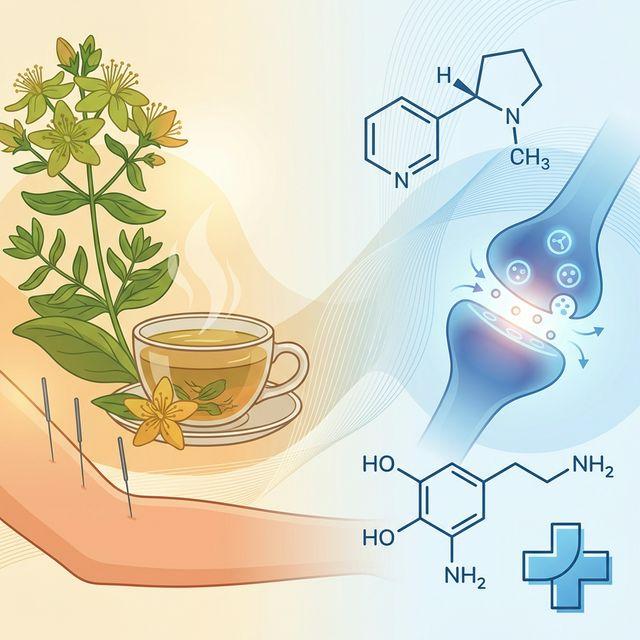
Acupuncture involves inserting thin needles into specific points on the body, often targeting the ear, with the goal of reducing withdrawal symptoms and calming the nervous system. Many people find the sessions deeply relaxing, and that stress-relief component can genuinely help during the anxious early days of quitting. However, a Cochrane systematic review of 38 trials found "no consistent evidence that acupuncture, acupressure, laser therapy, or electrostimulation are effective for smoking cessation." The review noted that acupuncture performed no better than sham treatments where needles were placed at random points. That said, the relaxation benefit is real, and acupuncture carries minimal side effects when performed by a licensed practitioner. If you find it helps you stay calm alongside NRT (nicotine patches or gum), it can serve as a useful complementary practice, just not a standalone cure.
Does Hypnosis Reprogram Your Brain to Stop Smoking?
Hypnotherapy claims to access your subconscious mind and reframe your relationship with cigarettes, effectively removing the desire to smoke. In practice, it works by reinforcing your existing motivation and building mental coping tools. A Cochrane review on hypnotherapy examined 14 studies and concluded there was "insufficient evidence to determine whether hypnotherapy is more effective than other interventions or no treatment for smoking cessation." Success rates varied dramatically between practitioners, and results were often no better than standard behavioral counseling. Importantly, hypnosis is not mind control: it requires your active participation and genuine desire to quit. For people who respond well to suggestion-based therapies, it can complement NRT by strengthening psychological resilience. Hypnosis is recognized as a valid therapeutic technique, but is recommended only as part of a broader quit plan rather than a sole treatment.
Are Herbal Supplements Like St. John's Wort Effective?
St. John's Wort has been used for centuries to treat mild depression. Since nicotine withdrawal often triggers low mood and irritability, the theory is that it can smooth out emotional disruption during quitting. While the herb does have documented antidepressant properties according to clinical research, clinical trials for smoking cessation have been disappointing. A Cochrane review found insufficient evidence that St. John's Wort increases long-term quit rates compared to placebo. The supplement also carries serious drug-interaction risks: it can reduce the effectiveness of birth control, blood thinners, antidepressants, and HIV medications. The FDA has issued warnings about these interactions. If your doctor approves, St. John's Wort may gently ease mood symptoms alongside NRT, but it cannot replace proven pharmacotherapy like varenicline or bupropion.
What About Lobelia, the "Herbal Nicotine"?
Lobelia, sometimes called Indian Tobacco, contains lobeline, a compound that interacts with nicotine receptors in the brain. Proponents claim it satisfies cravings without triggering the addiction cycle. The reality is far less promising. The FDA banned lobeline from over-the-counter smoking cessation products in 1993 because clinical evidence failed to demonstrate efficacy. More critically, lobelia poses genuine safety threats. High doses can cause nausea, vomiting, rapid heartbeat, dangerous drops in blood pressure, and even seizures or coma. Poison control centers have documented multiple poisoning cases linked to lobelia supplements. Unlike regulated NRT products such as patches and gum that undergo rigorous safety testing, herbal supplements like lobelia are not FDA-approved for smoking cessation. There is no established safe dosing guidance for this purpose, and the risk-benefit calculation strongly favors proven, well-studied alternatives.
Can Essential Oils Reduce Nicotine Cravings?
Essential oils, particularly black pepper oil, have attracted attention as a craving-reduction tool. A small study found that inhaling black pepper vapor reduced craving intensity in the short term compared to a menthol placebo. The mechanism may involve stimulating respiratory tract sensations that mimic the throat-hit of smoking. However, this was a single small study, and no large-scale trials have confirmed the finding. Lavender and chamomile oils are sometimes recommended for their calming properties, but evidence for direct craving reduction is purely anecdotal. Essential oils should never be ingested, as many are toxic when swallowed. Poison control data shows that essential oil misuse has risen sharply with their popularity. As a complementary tool alongside NRT, inhaling black pepper oil is low-risk and may offer modest, momentary relief, but it is not a cessation treatment.
Does Mindfulness Meditation Actually Work for Quitting?
Among all the "natural" approaches, mindfulness meditation has the strongest evidence base. Research found that mindfulness training produced a 31% quit rate versus 6% for a standard cessation program over 17 weeks. Research has shown that even brief mindfulness exercises reduce activity in the craving-related regions of the brain. Techniques like the "4-7-8 breath" activate the parasympathetic nervous system, directly counteracting the stress response that triggers smoking urges. Mindfulness is recommended as part of a comprehensive quit strategy. Unlike supplements, mindfulness carries no side effects, no drug interactions, and no cost. It pairs exceptionally well with NRT: the patches handle physical withdrawal while mindfulness builds your capacity to tolerate discomfort. This combination addresses both the chemical and psychological dimensions of addiction.
Which Natural Remedies Actually Complement NRT?
Not all natural approaches are created equal when it comes to pairing with nicotine replacement therapy. The most effective combinations, according to clinical practice guidelines, layer behavioral support onto pharmacotherapy. Mindfulness meditation and moderate exercise both qualify as evidence-based behavioral support. Exercise releases dopamine and endorphins, the same neurochemicals nicotine hijacks, and a 2019 Cochrane review confirmed that physical activity reduces craving intensity during acute episodes. Adequate sleep is another critical factor: the brain repairs addiction-disrupted neural pathways primarily during deep sleep. Hydration supports toxin clearance and gives your hands something to do. Acupuncture and hypnosis occupy a gray zone: they lack strong standalone evidence, but if they help you manage stress while NRT handles physical withdrawal, many clinicians consider them reasonable additions. The key principle is that no natural remedy should replace proven treatments; the best results come from combining them.
The Bottom Line
There is no secret herb that will make quitting smoking easy. The most effective "natural" approach is to support your body with healthy habits while using proven behavioral strategies alongside NRT or prescription medication.
Mindfulness and exercise stand out as the two natural methods with the strongest scientific backing. If you find acupuncture relaxing or hypnosis motivating, use them as supplements to a comprehensive quit plan. But steer clear of lobelia entirely, and approach herbal supplements with caution and medical supervision. Your best weapon against addiction is your own resolve, supported by science-based tools, a healthy lifestyle, and honest assessment of what the evidence actually shows.
Sources
- Cochrane Library. "Smoking Cessation Reviews." cochranelibrary.com
- American Lung Association. "Benefits of Quitting." lung.org
- National Institute on Drug Abuse. "Tobacco, Nicotine, and E-Cigarettes." drugabuse.gov
- World Health Organization. "Tobacco: Key Facts." who.int
- U.S. Surgeon General (2020). "Smoking Cessation: A Report of the Surgeon General."
- Mayo Clinic. "Nicotine Dependence." mayoclinic.org
This article is for informational purposes only and does not constitute medical advice. Health information is based on published research from organizations such as the CDC, WHO, and American Lung Association. Always consult a healthcare professional for personalized guidance on smoking cessation.